Location: Dařenice, CZE
Investor: Private
Project year: 2025
Build-up area: 3205 m²
Autor: Jan Vondrák, Tobiáš Hrabec, Anton Murauliou
Investor: Private
Project year: 2025
Build-up area: 3205 m²
Autor: Jan Vondrák, Tobiáš Hrabec, Anton Murauliou
Dařenice Farmstead
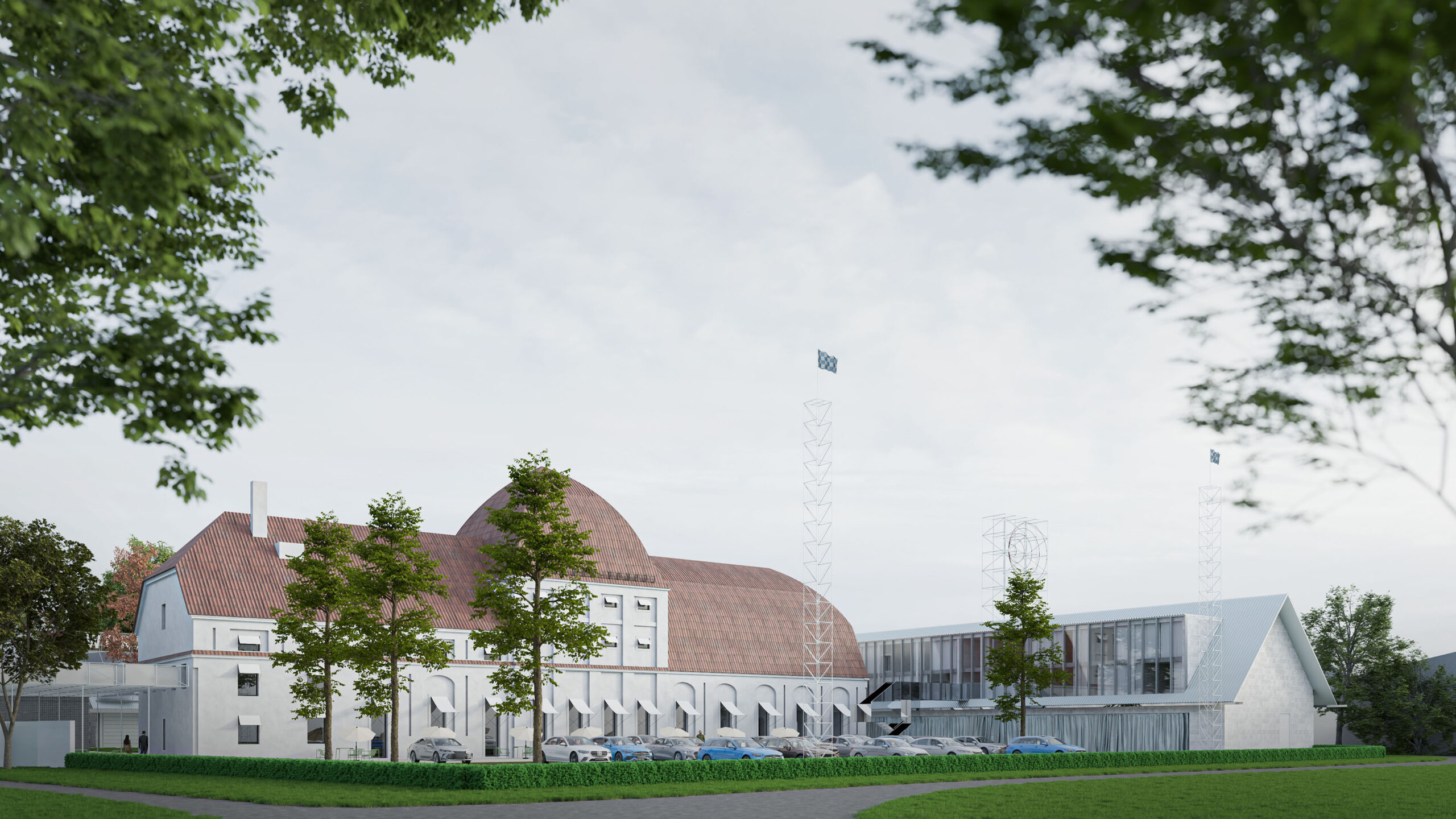
The client entrusted us with the task of designing a multifunctional complex on the grounds of the Dařenice farmstead — in the picturesque countryside near the village of Loukov, on the border of the Central Bohemian and Liberec regions. The main treasure of this site is the Sýpka, with its rare bell-shaped roof and unique truss structure, characteristic of 19th-century French architecture. This feature most likely relates to the fact that the estate originally belonged to the French noble family of the Rohans.
At last, I am here. After a long road I slow down in front of the brewery, cold steel wrapping the building with a promise of warmth inside. I park my veteran beside a row of polished cars — tomorrow the rally begins. Flickering silhouettes, fragments of conversation, and the clink of glasses remind me of the dinner ahead and a cozy place to stay.
Inside, I am instantly surrounded by the scent of malt and roasted meat. Soft music and heated discussions make it clear — the restaurant is full. I weave my way deeper, looking for a free spot at the bar. The group nearby is talking about a conference to be held in the Sýpka. That building stands only a few steps away. Tomorrow I’ll visit its gallery and coworking space.
I glance out the window: the cluster of local buildings shapes a courtyard. Trees cast long shadows across it, and between them the veterans wait, ready for the start. Next to the brewery stands a new service building. All the gates are wide open — I can see old cars raised on lifts in the back, mechanics giving them their final touches. Right beside it, in a barn glowing with bright light, more cars are stored: some like exhibits, others set to take to the track tomorrow.
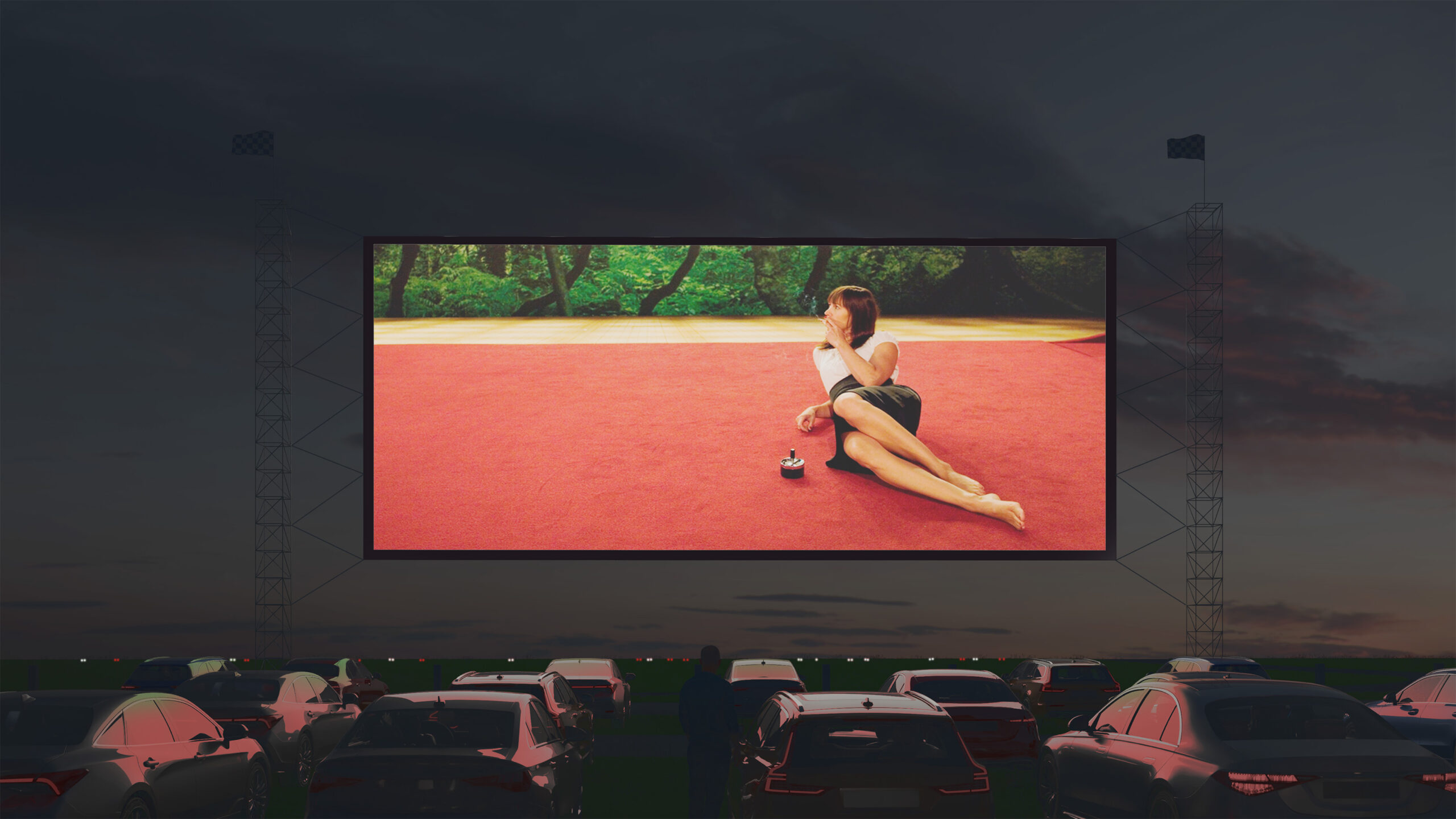
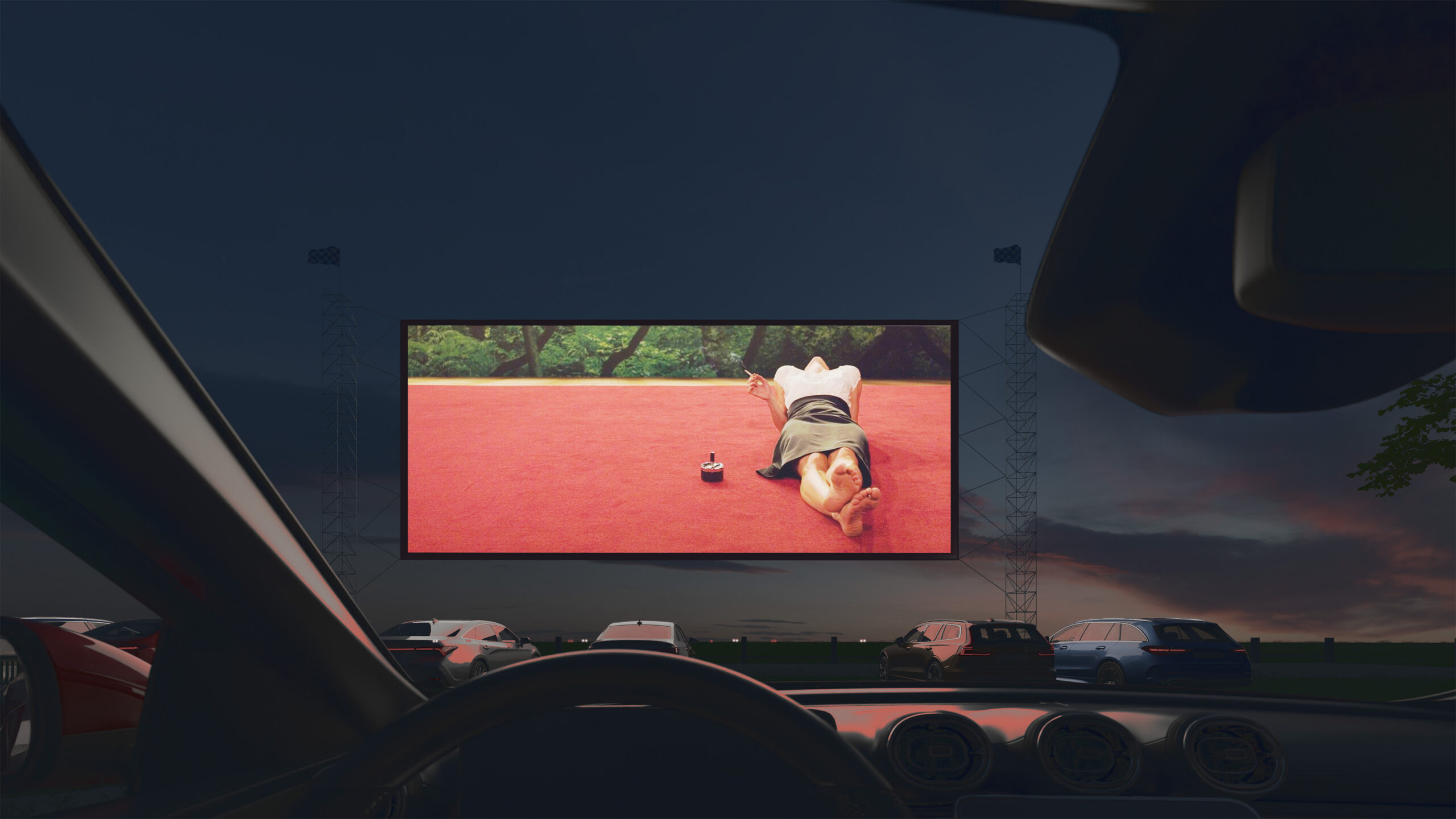
My gaze drifts to the new building — the Stáj. On its roof rises a metal lantern that at night glows in neon, pointing the way. Tonight many guests have gathered here: I watch as the courtyard turns into an open-air cinema. A screen is stretched between the pillars, people carry in chairs, some remain in their cars. Everything falls silent, the lights dim — and the first frames of the film illuminate the screen.
Inside, I am instantly surrounded by the scent of malt and roasted meat. Soft music and heated discussions make it clear — the restaurant is full. I weave my way deeper, looking for a free spot at the bar. The group nearby is talking about a conference to be held in the Sýpka. That building stands only a few steps away. Tomorrow I’ll visit its gallery and coworking space.
I glance out the window: the cluster of local buildings shapes a courtyard. Trees cast long shadows across it, and between them the veterans wait, ready for the start. Next to the brewery stands a new service building. All the gates are wide open — I can see old cars raised on lifts in the back, mechanics giving them their final touches. Right beside it, in a barn glowing with bright light, more cars are stored: some like exhibits, others set to take to the track tomorrow.
My gaze drifts to the new building — the Stáj. On its roof rises a metal lantern that at night glows in neon, pointing the way. Tonight many guests have gathered here: I watch as the courtyard turns into an open-air cinema. A screen is stretched between the pillars, people carry in chairs, some remain in their cars. Everything falls silent, the lights dim — and the first frames of the film illuminate the screen.
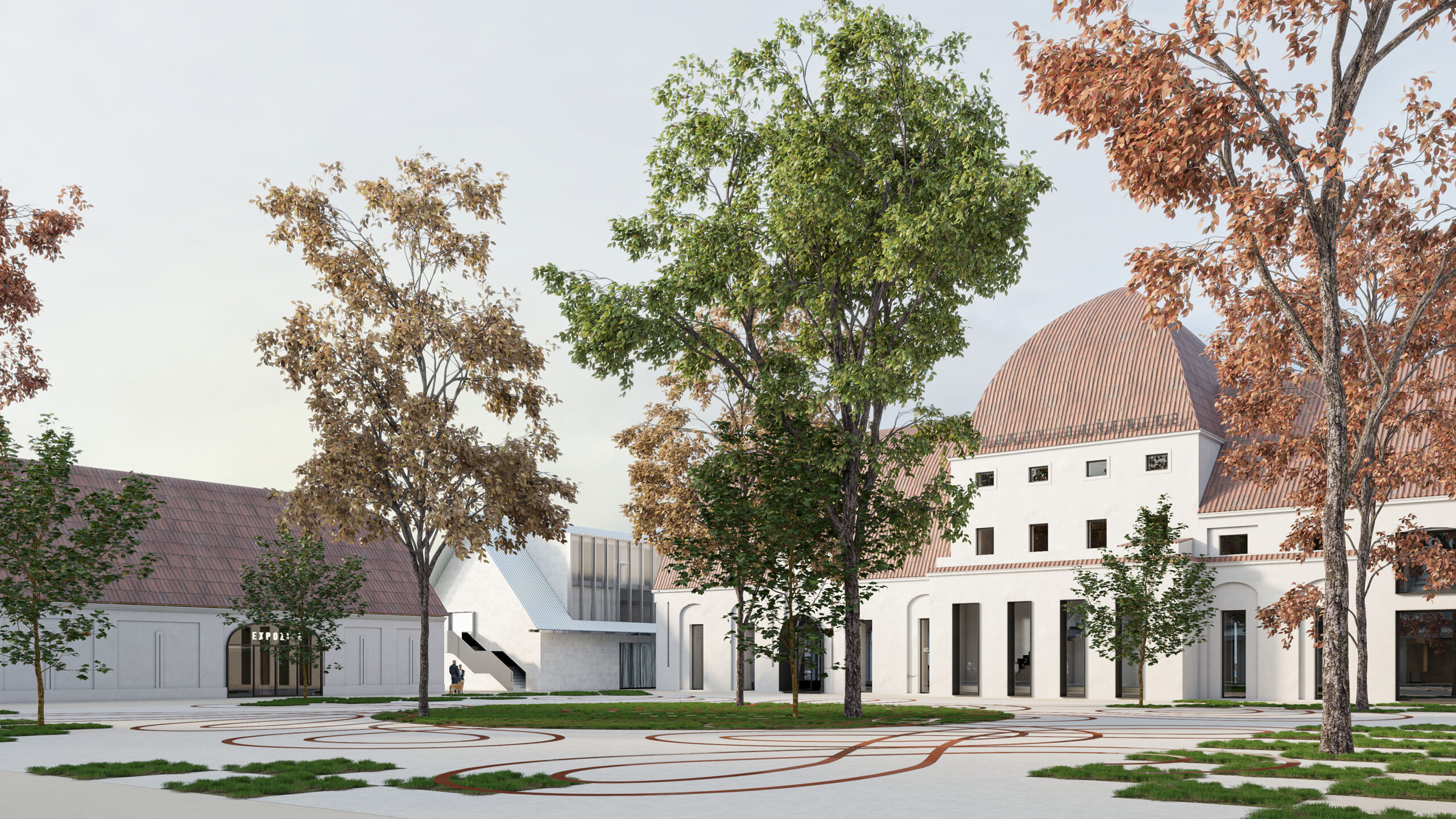
Site and Concept
Today, only part of the buildings and courtyard are used for weddings and other events, while the full potential of the complex remains untapped due to its unsatisfactory condition. For this reason, our project seeks to preserve the most valuable architectural and historical structures, while the lost ones will not be copied but replaced with new buildings that respect the original height and outline. This approach makes it possible to clearly distinguish between the historical and the contemporary.
The client’s main wish is to turn this place into a home for classic car enthusiasts — a space where people can meet, host events, repair, and store their vehicles. At the same time, the complex should remain open to a wider public and serve as a venue for cultural and community activities.
Today, only part of the buildings and courtyard are used for weddings and other events, while the full potential of the complex remains untapped due to its unsatisfactory condition. For this reason, our project seeks to preserve the most valuable architectural and historical structures, while the lost ones will not be copied but replaced with new buildings that respect the original height and outline. This approach makes it possible to clearly distinguish between the historical and the contemporary.
The client’s main wish is to turn this place into a home for classic car enthusiasts — a space where people can meet, host events, repair, and store their vehicles. At the same time, the complex should remain open to a wider public and serve as a venue for cultural and community activities.
The specific functions of the site define its character: its identity does not emerge from a decorative shell, but from a deeper narrative layer that connects contemporary content with historical context and lends the place authenticity. The architectural concept is built on a “sensitive assembling” of fragments of the past into a new collage structure: the restoration of valuable elements intertwines with modern materials, technologies, and spatial solutions.
The commissioning of the complex will proceed in stages. The first building to come to life will be the Brewery.
The commissioning of the complex will proceed in stages. The first building to come to life will be the Brewery.
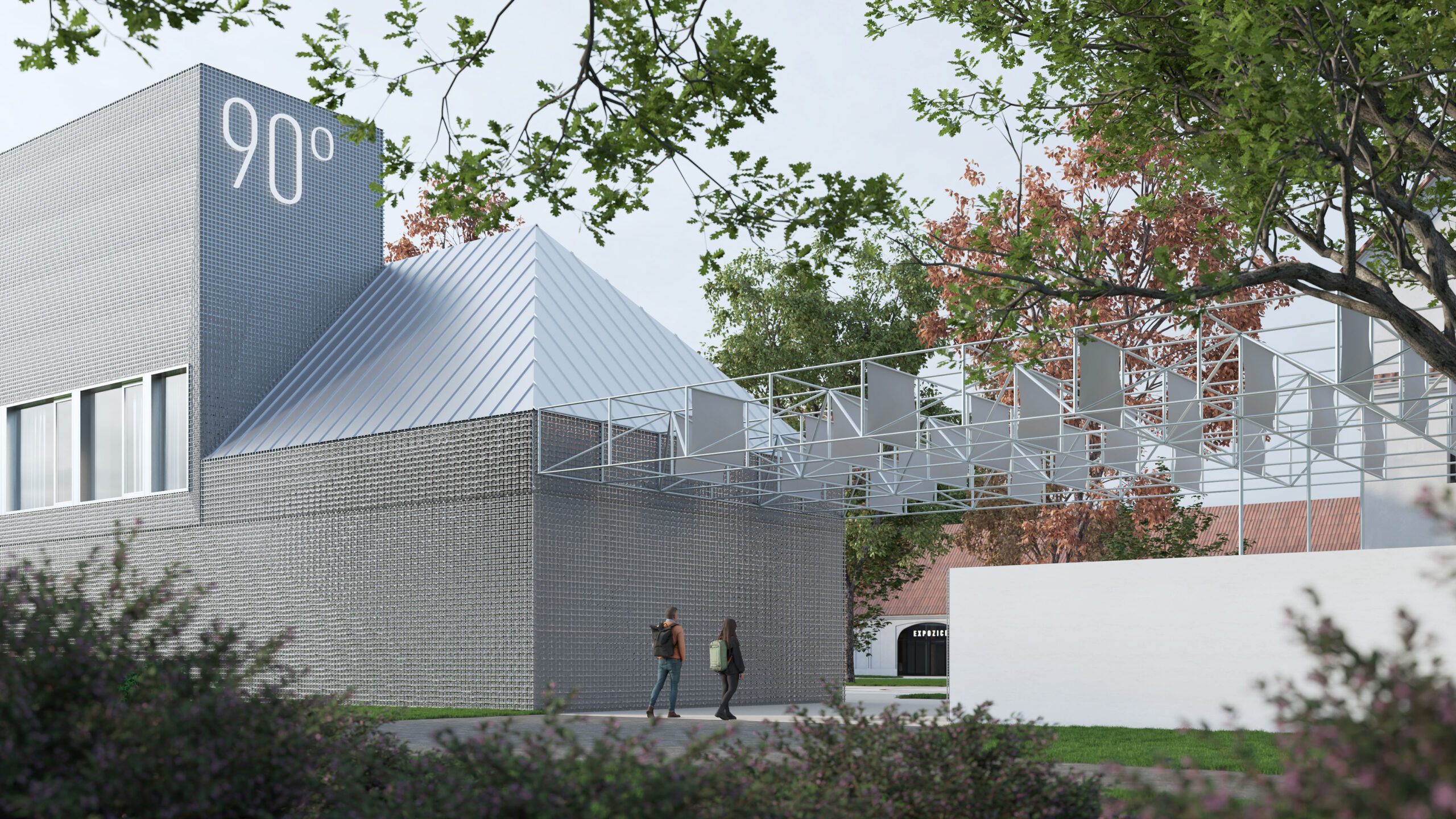
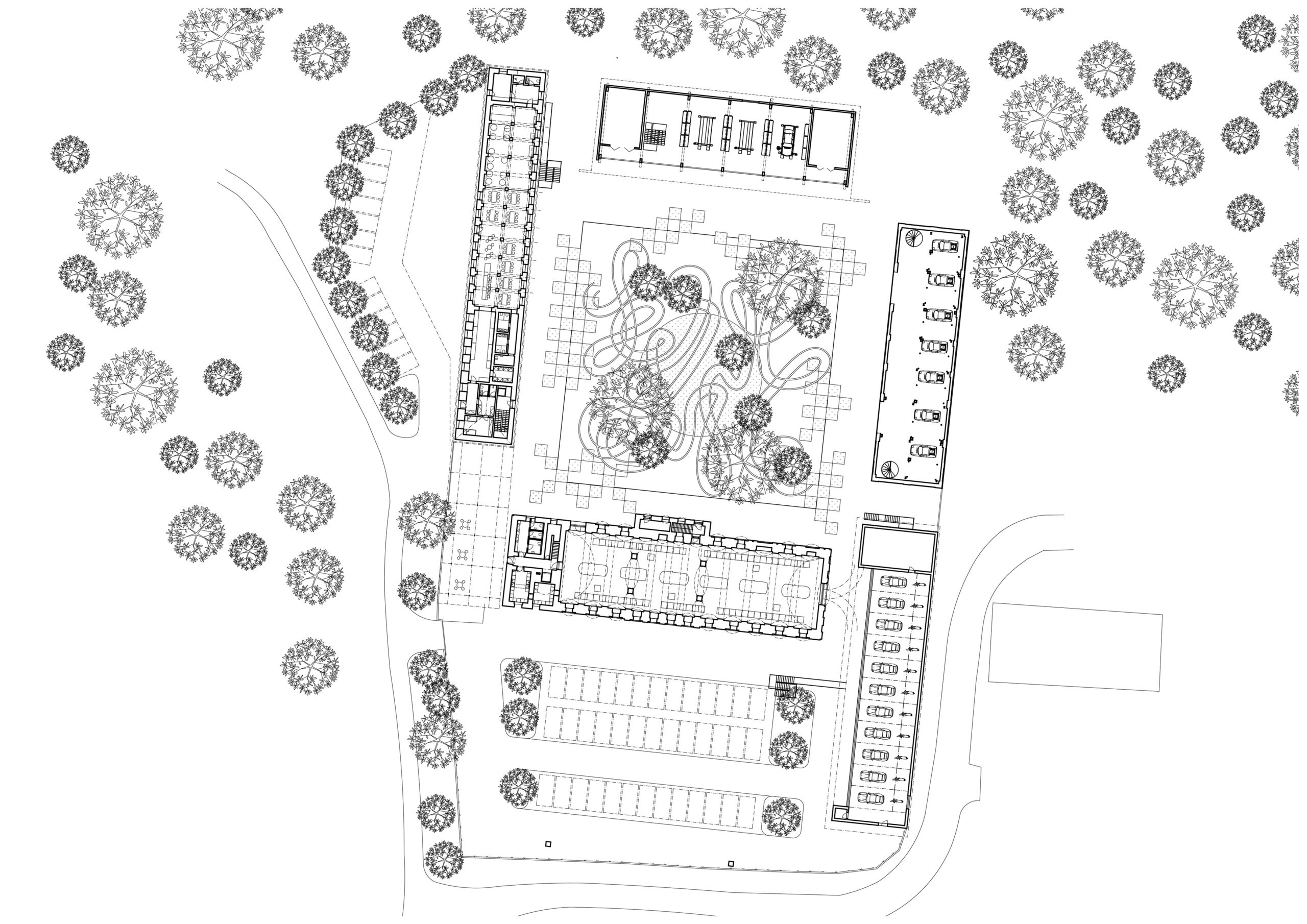
Pivovar building eloquently reflects the approach taken to the reconstruction of the entire complex. It is built around the idea of technology, and so its expression is austere, functional, and honest — with a clear form both inside and out. The interior is divided into three main zones: the brewery itself, the restaurant, and a hotel on the upper floor. The restaurant is directly connected to the brewing area through vaulted ceilings, beneath which run the technical lines for lighting and ventilation. This solution emphasizes the technical character of the building and makes the process a visible part of the experience.
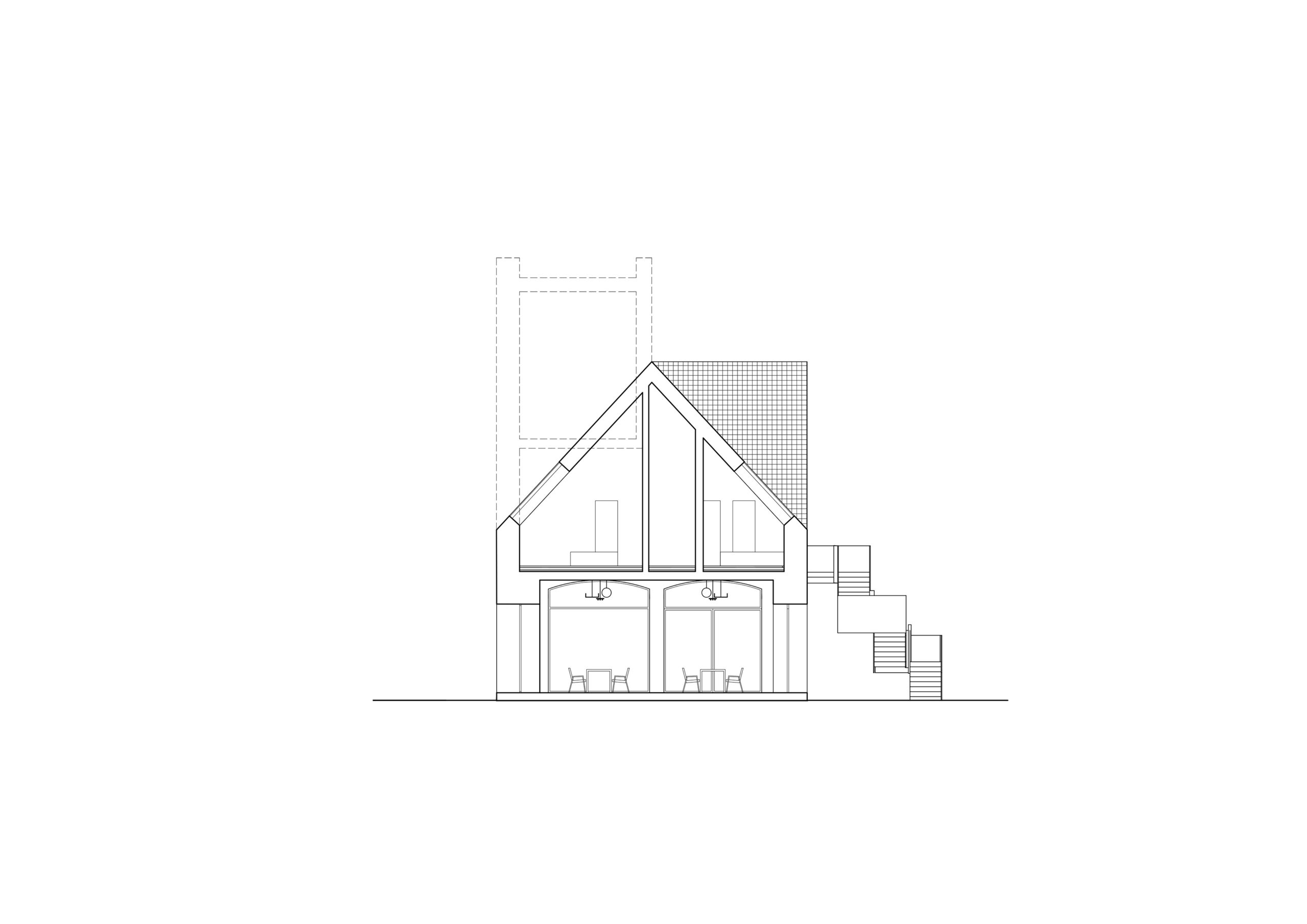
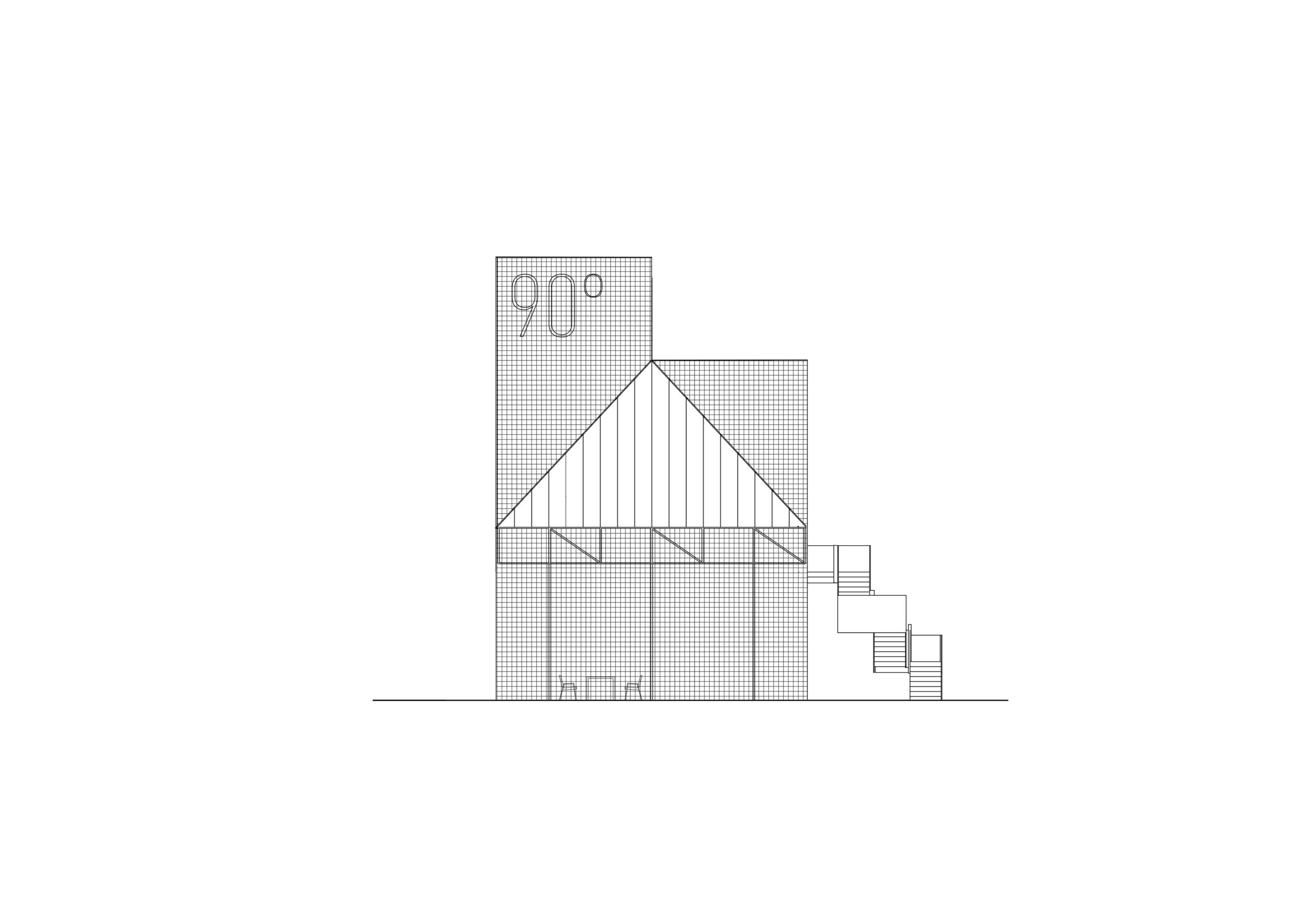
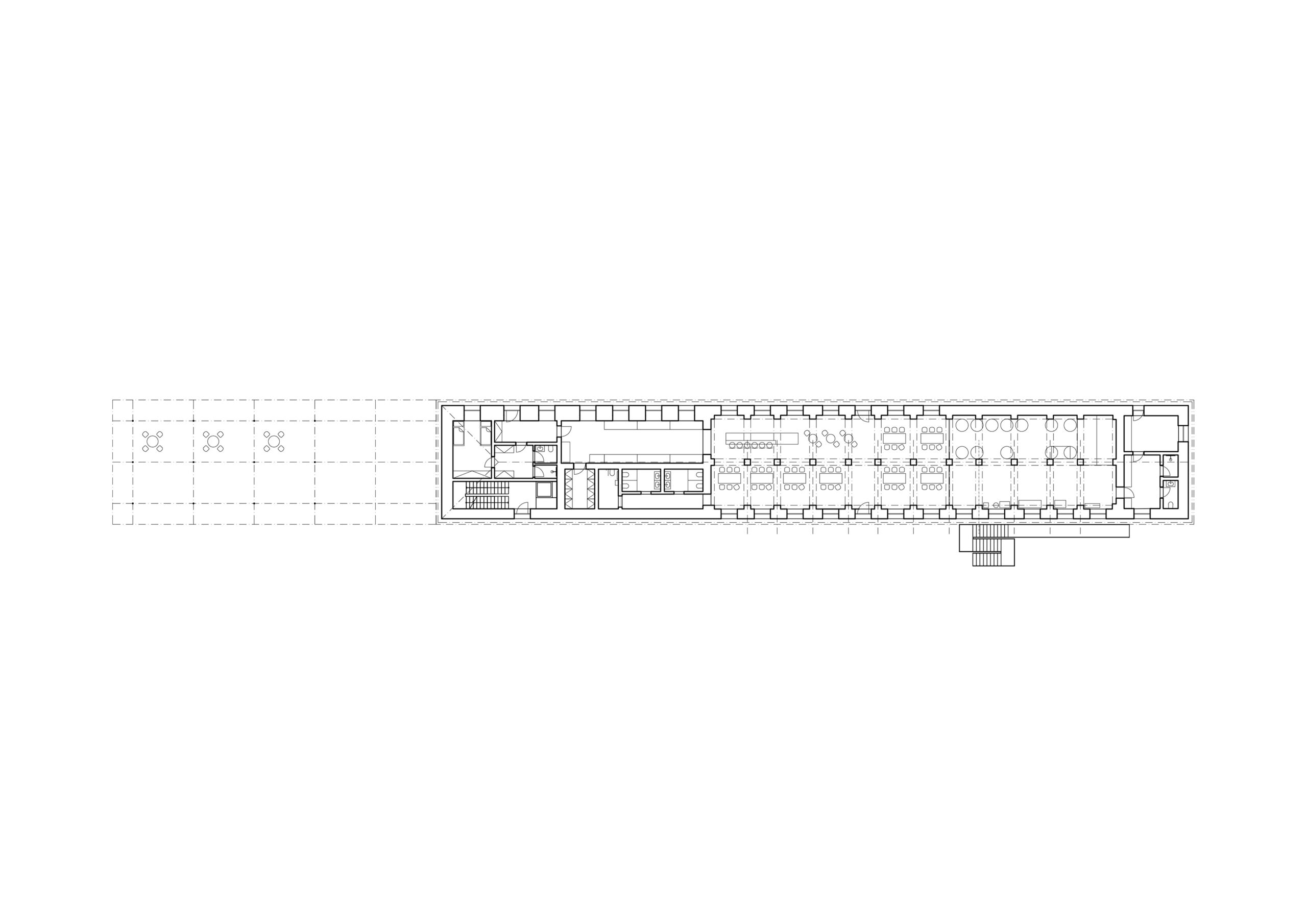
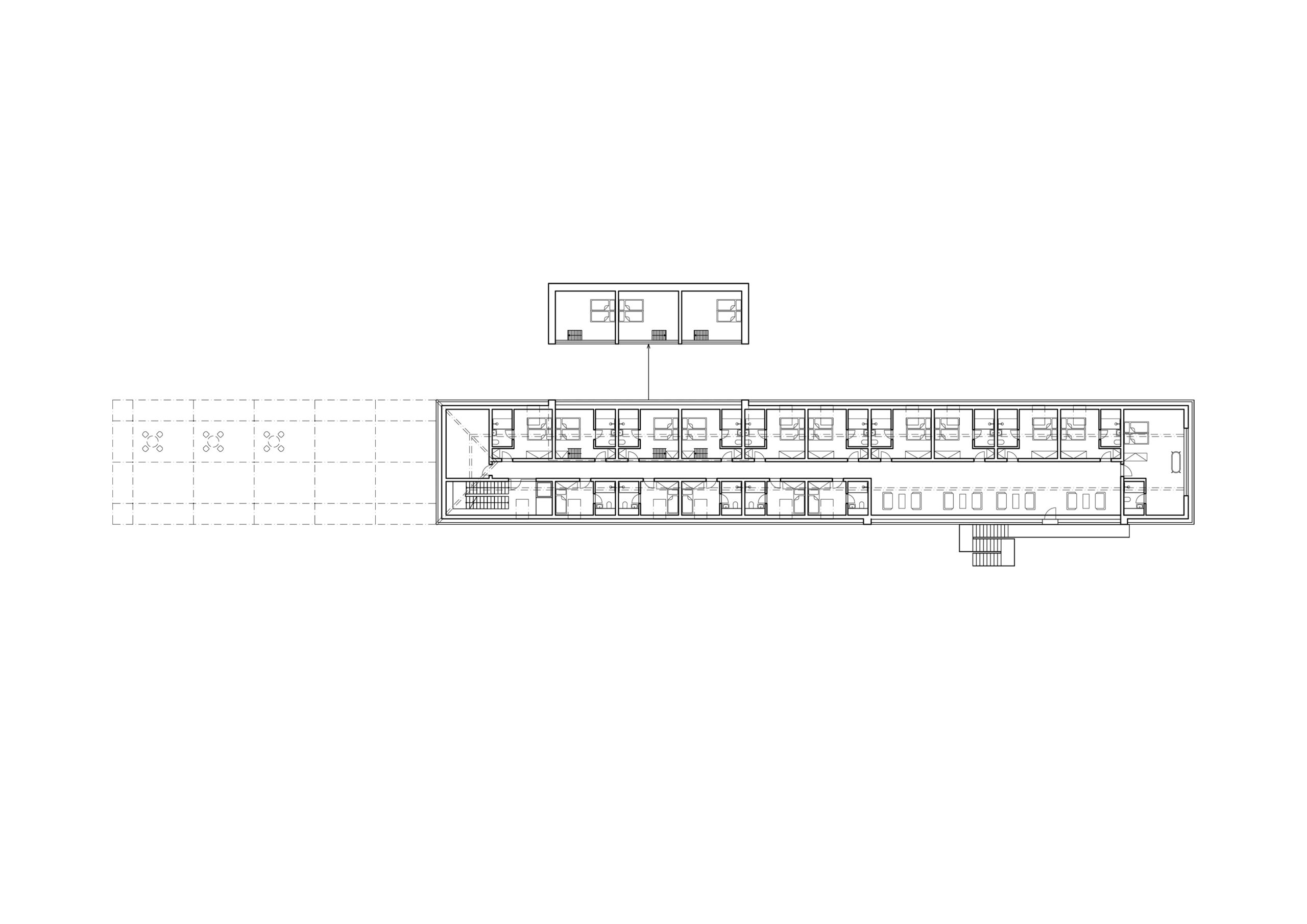
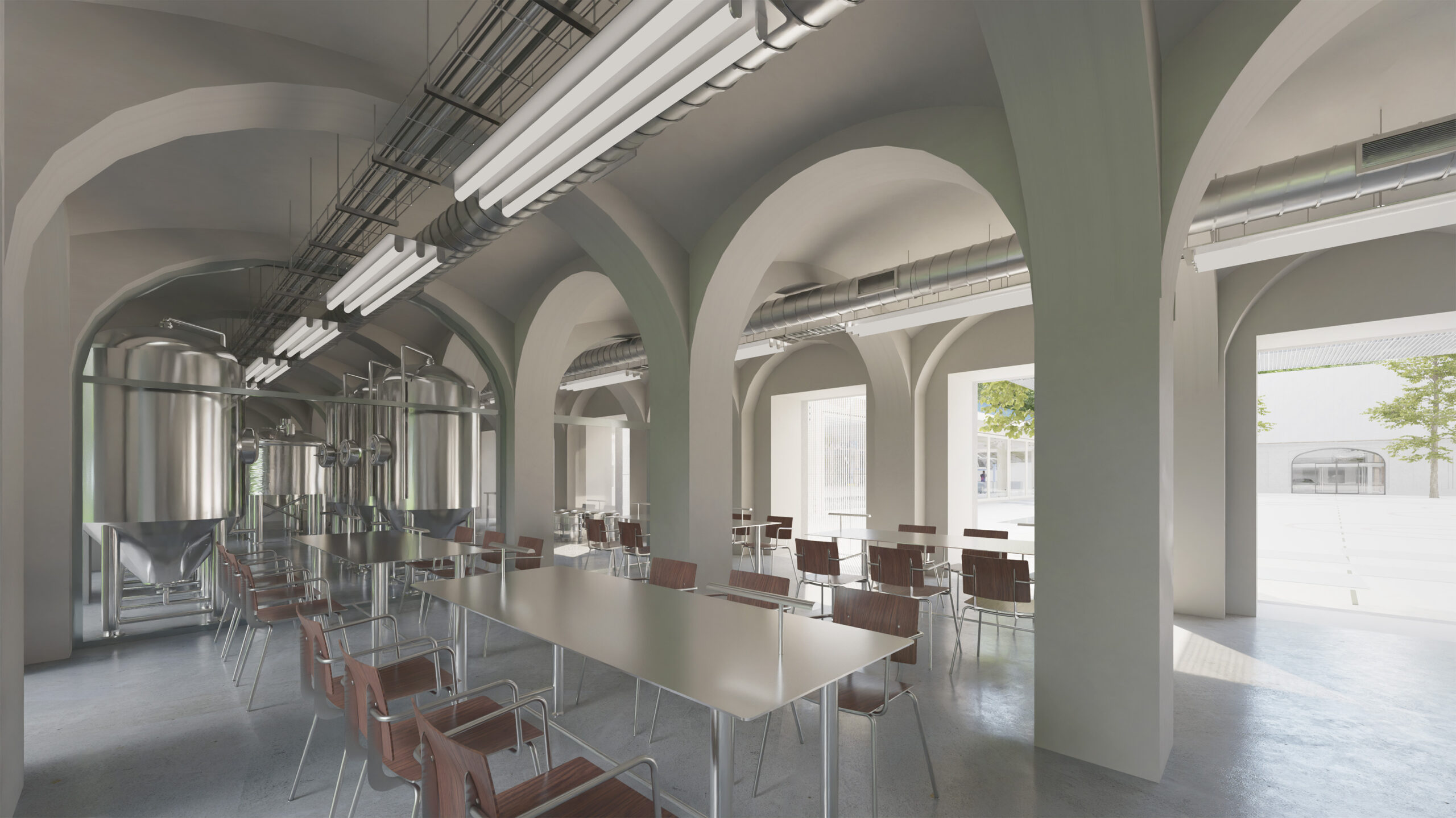
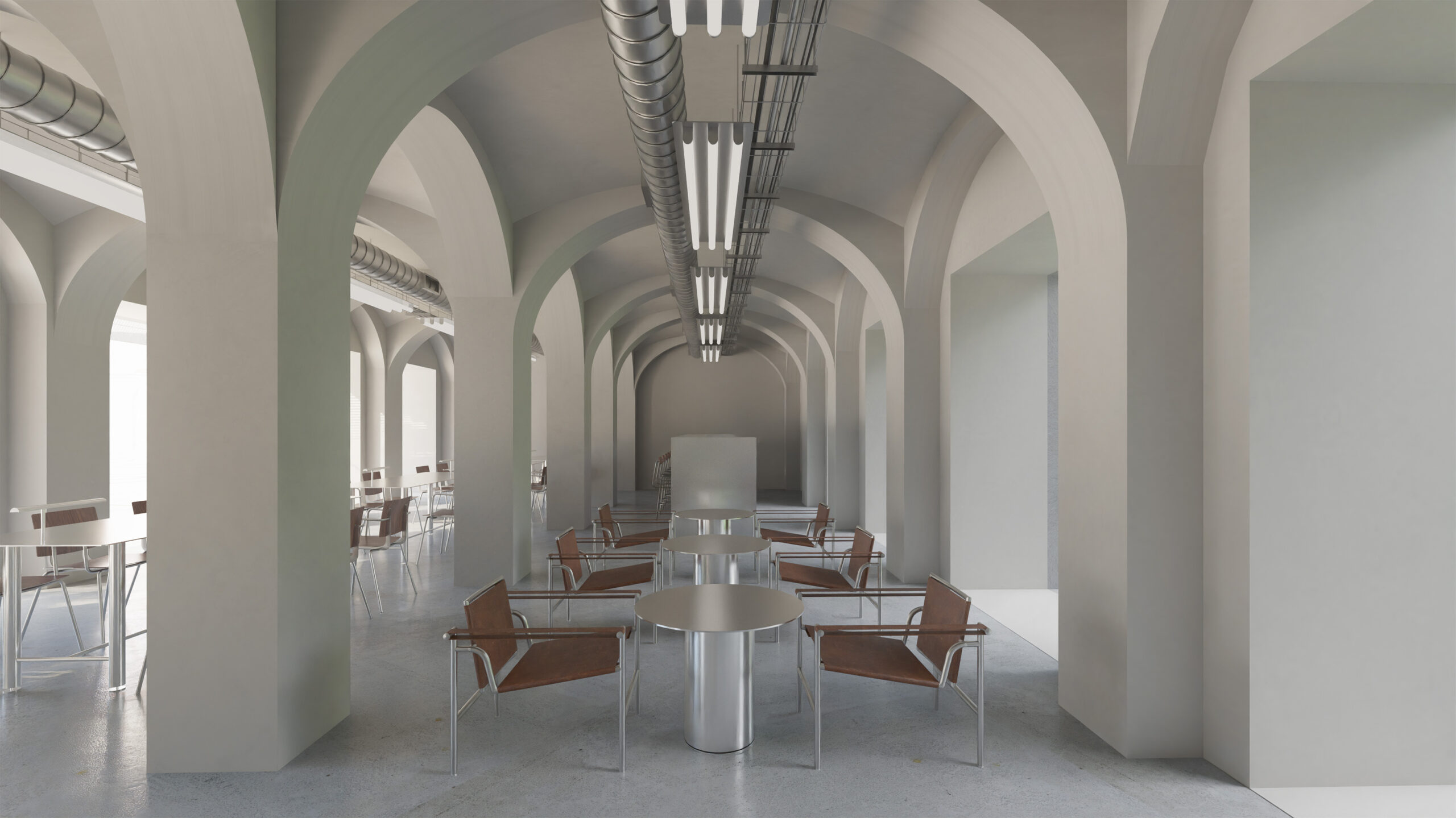
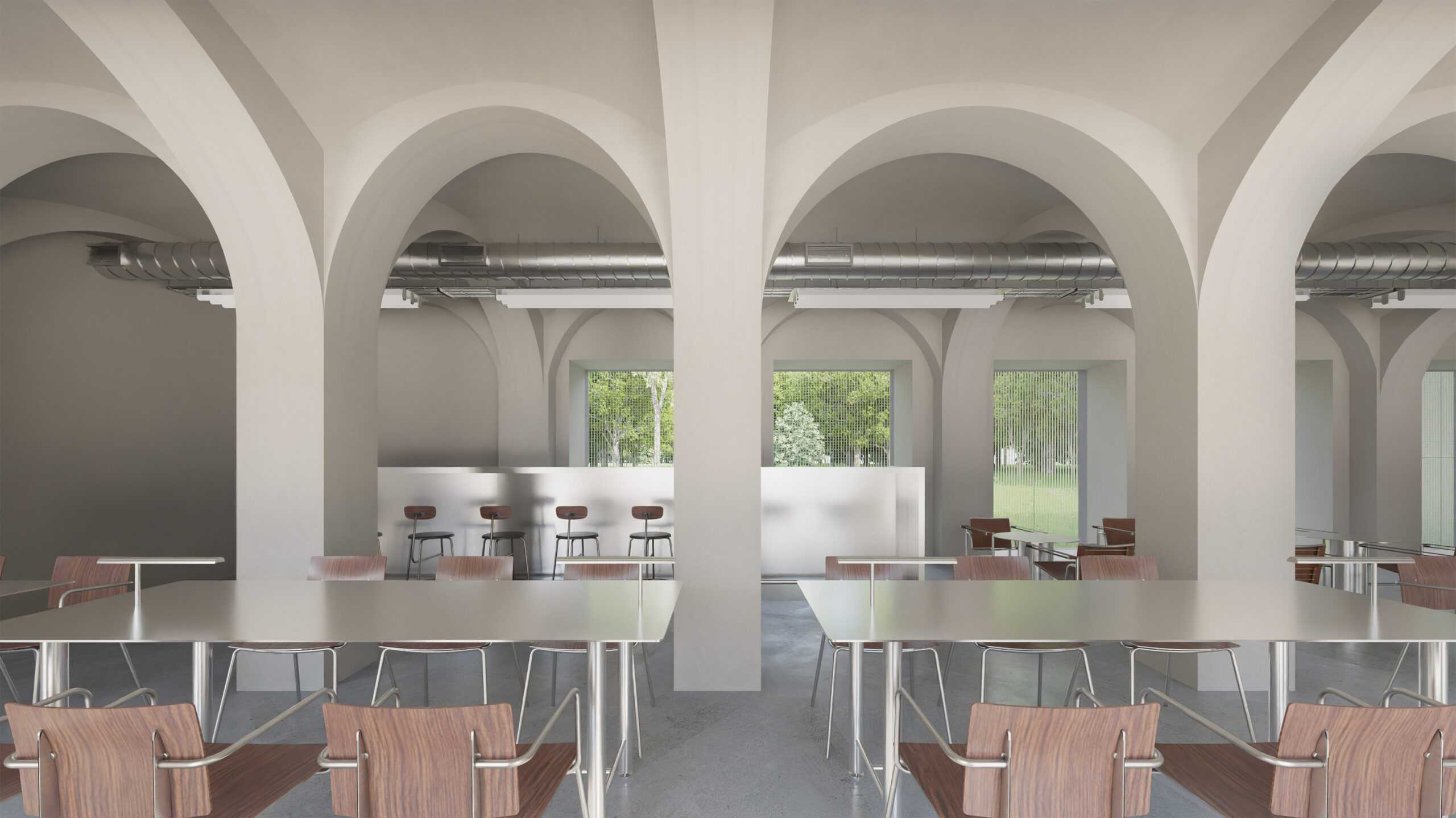
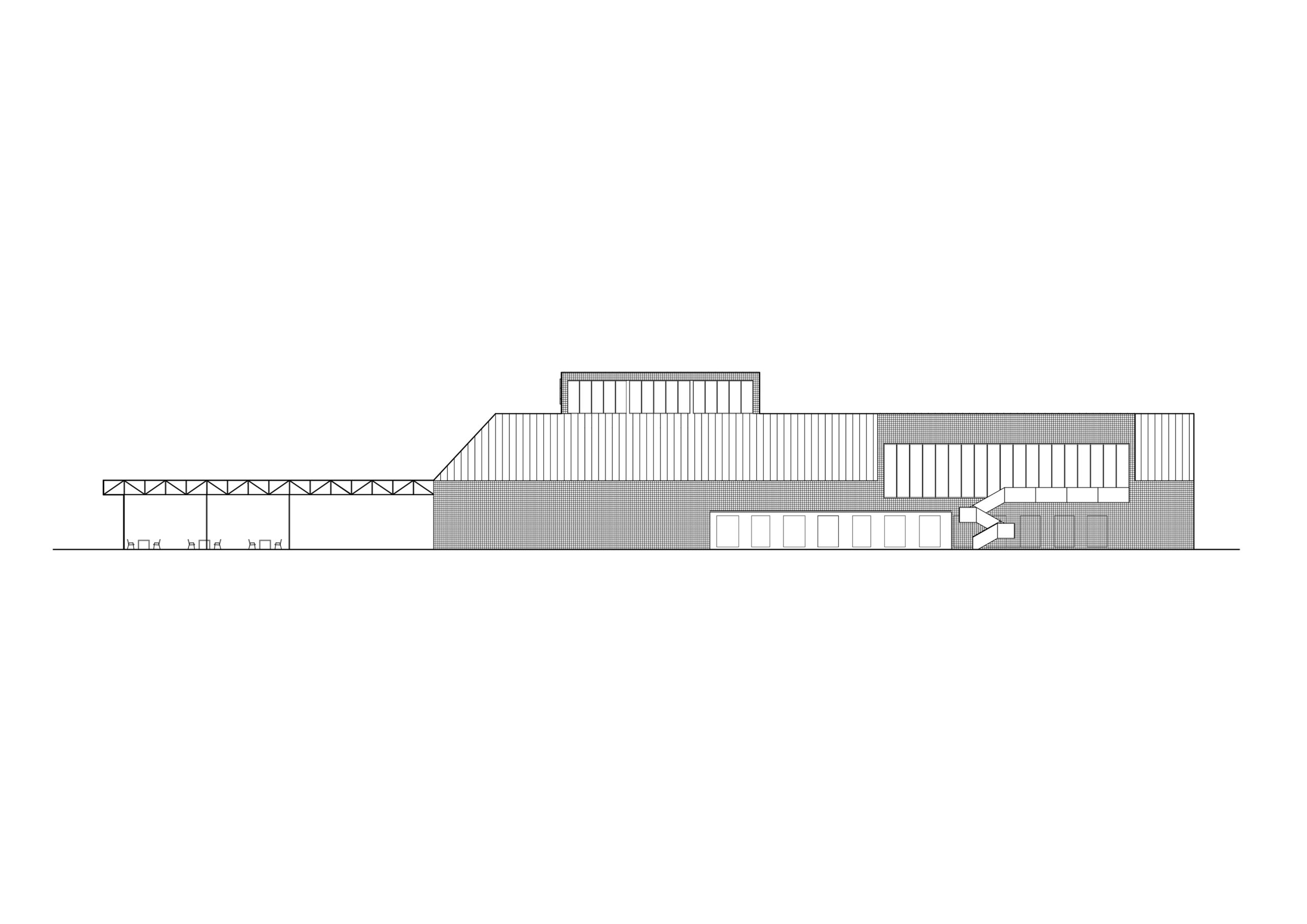
From the outside, the Brewery is linked to the neighboring Sýpka by a steel structure, which at once defines the entrance into the courtyard and visually ties together two contrasting buildings.
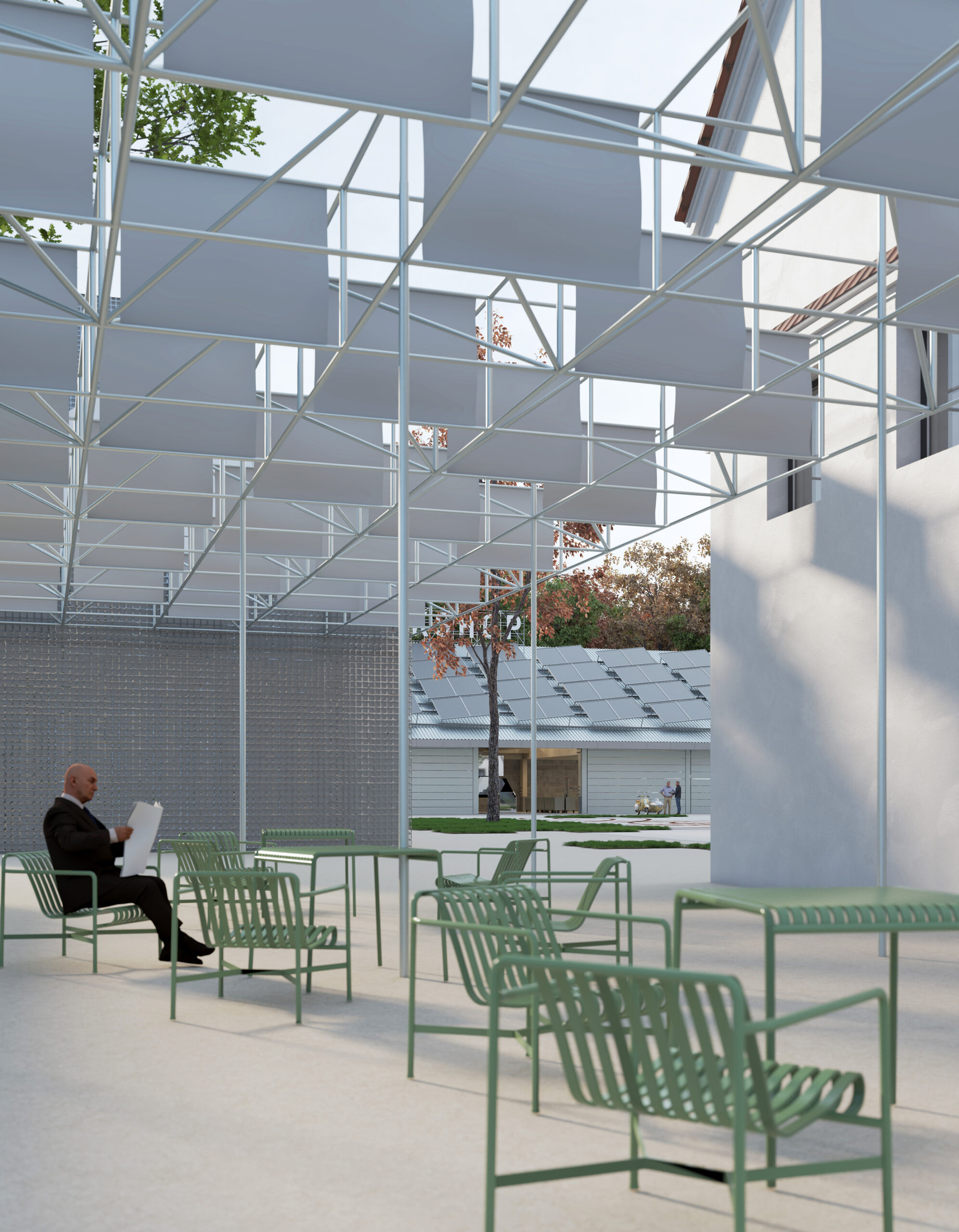
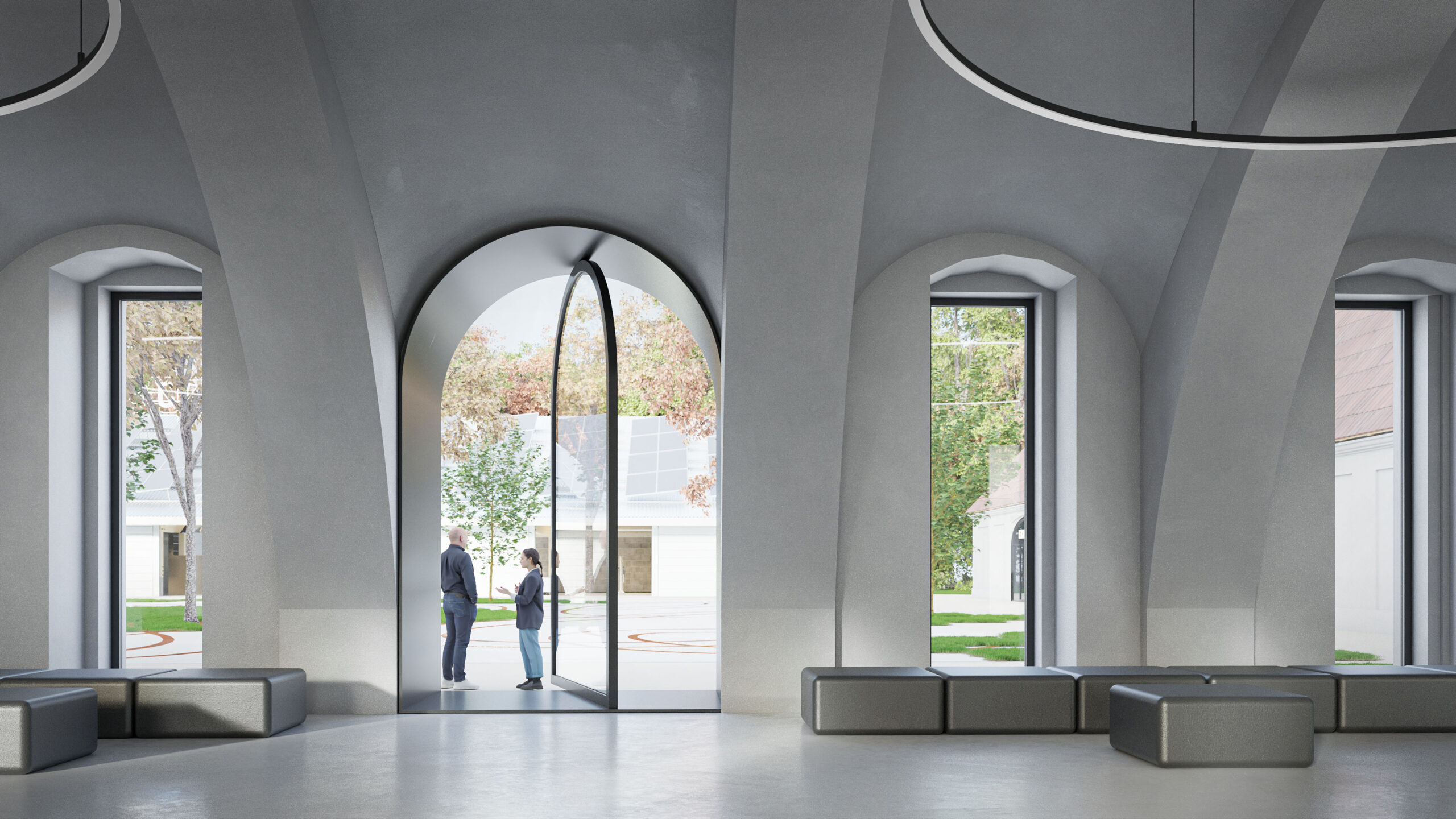
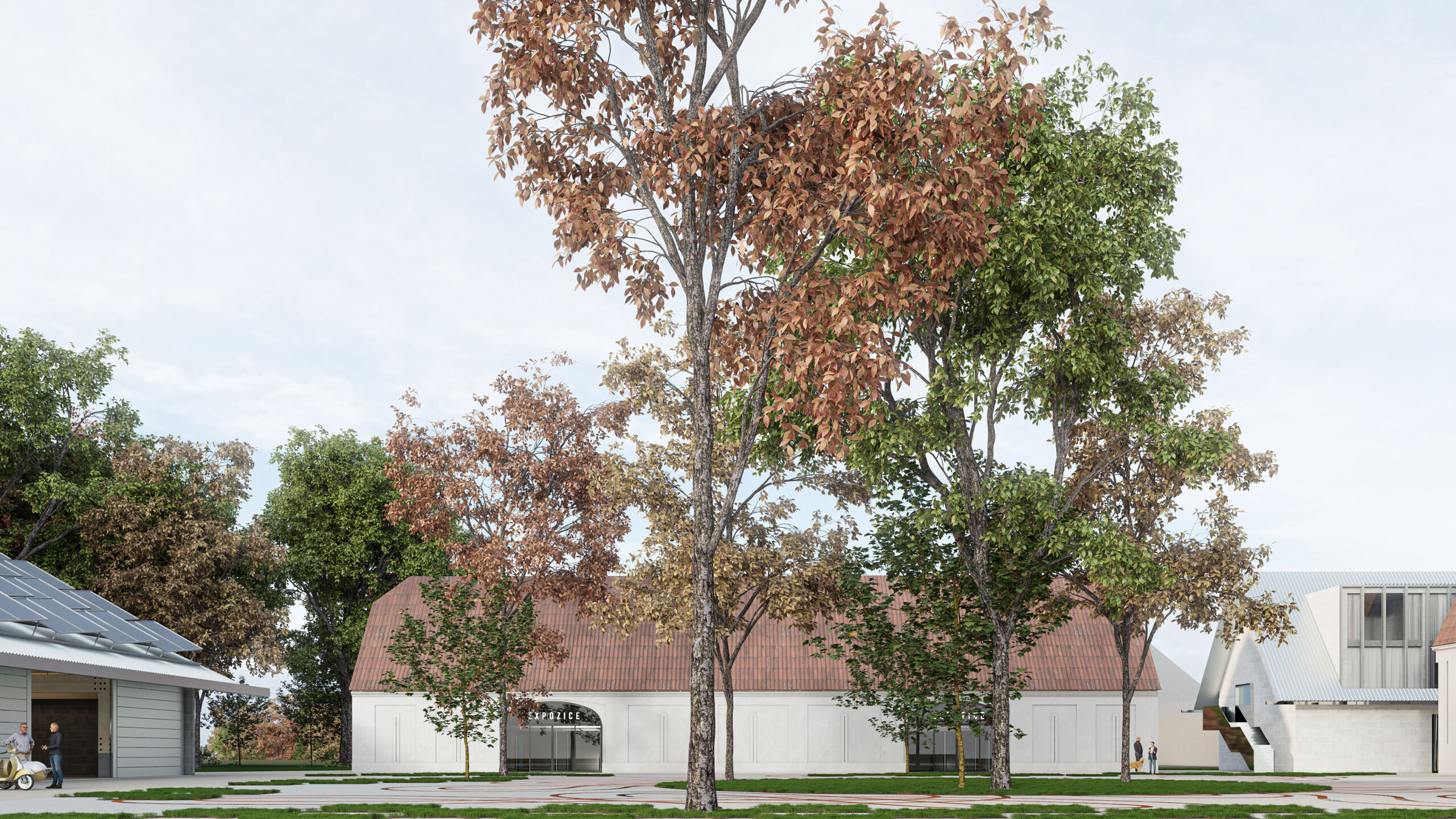
The dominant building of the complex retains its historic character, though its appearance has been refreshed with a light “facelift.” It remains recognizable, yet gains a more contemporary and open expression. The facade will be light gray-white, emphasizing architectural details — niches, cornices, and sculptural elements. In the ground floor, window openings have been enlarged down to the floor, bringing more light into the interiors and creating a sense of openness.
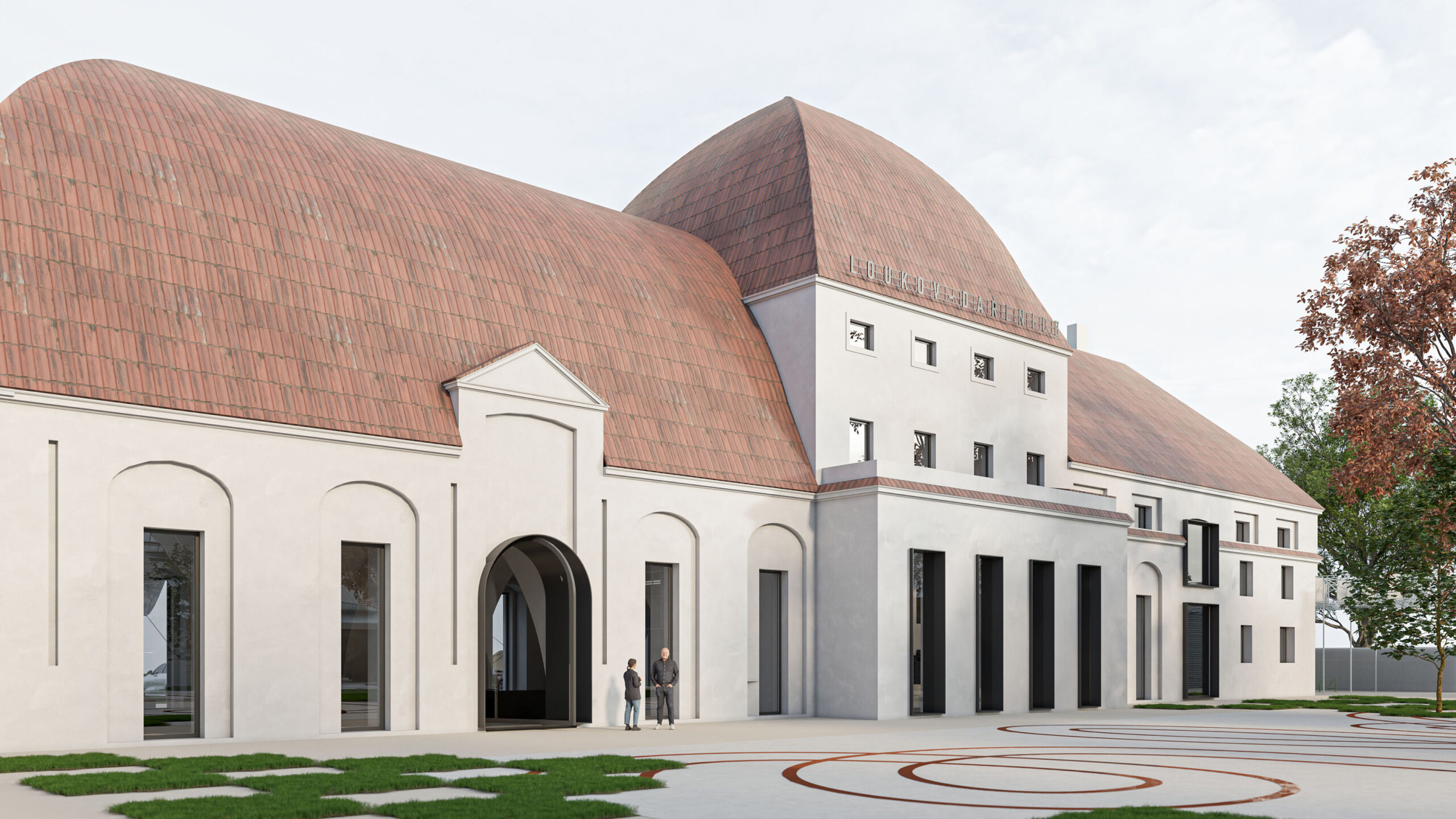
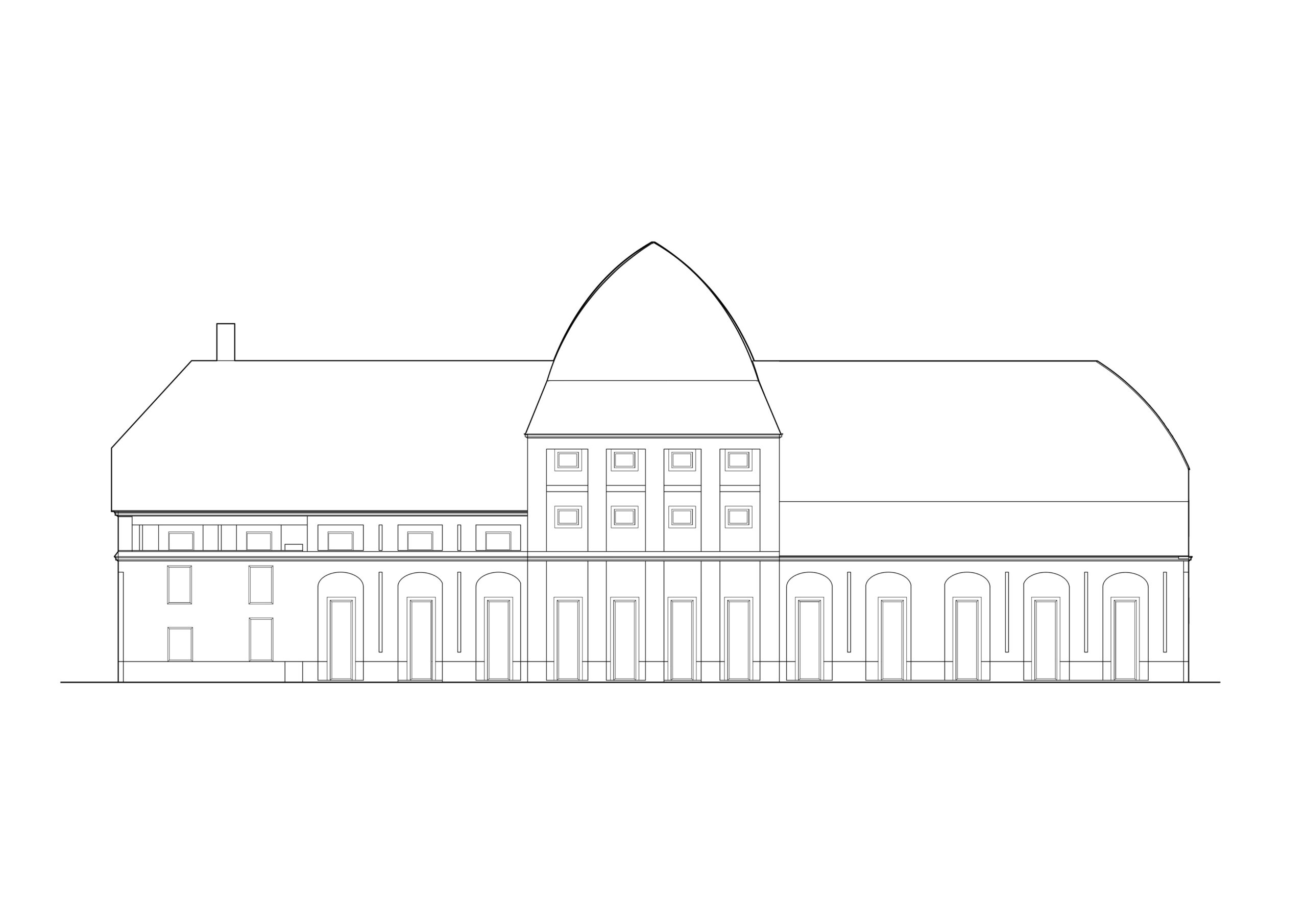
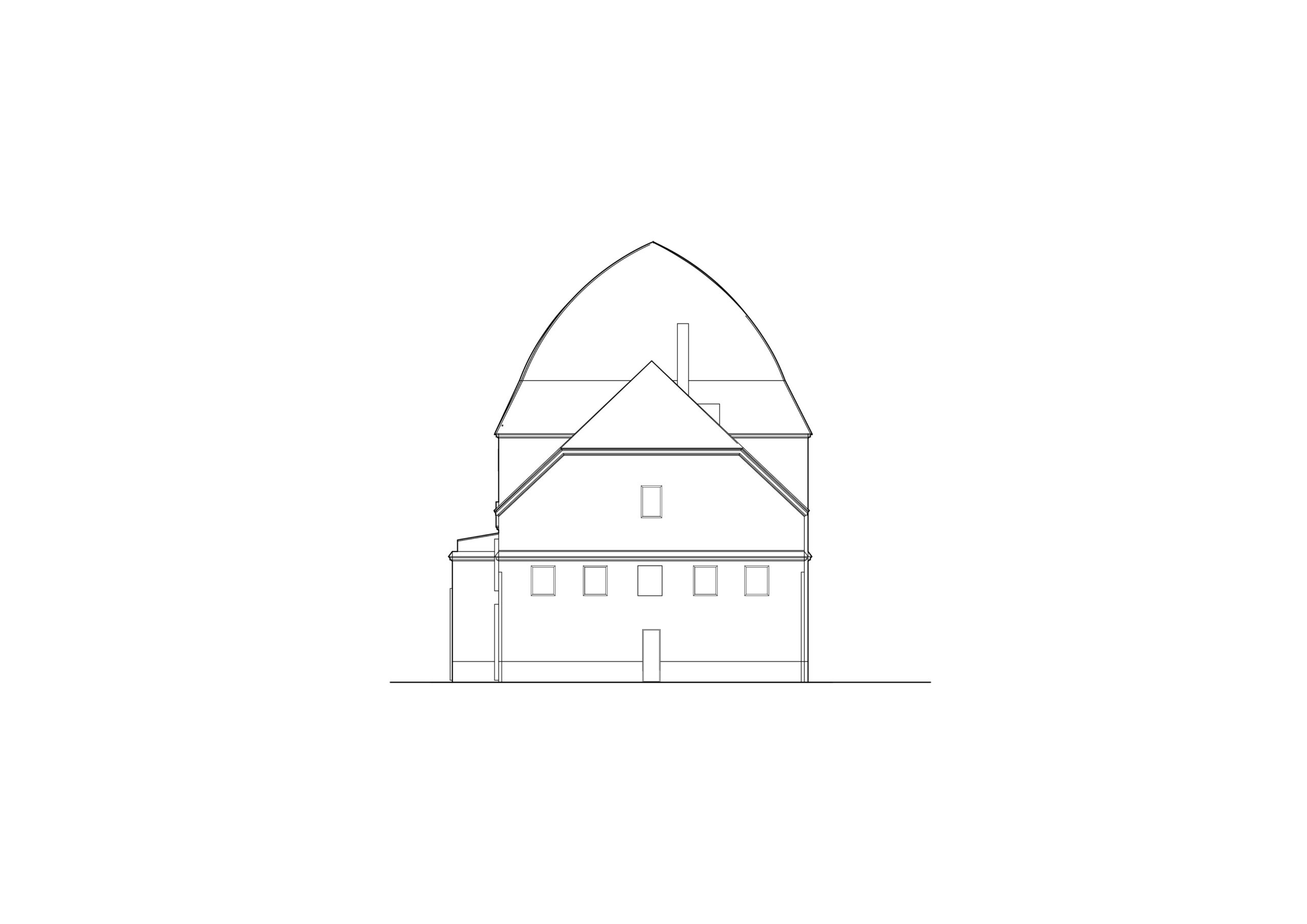
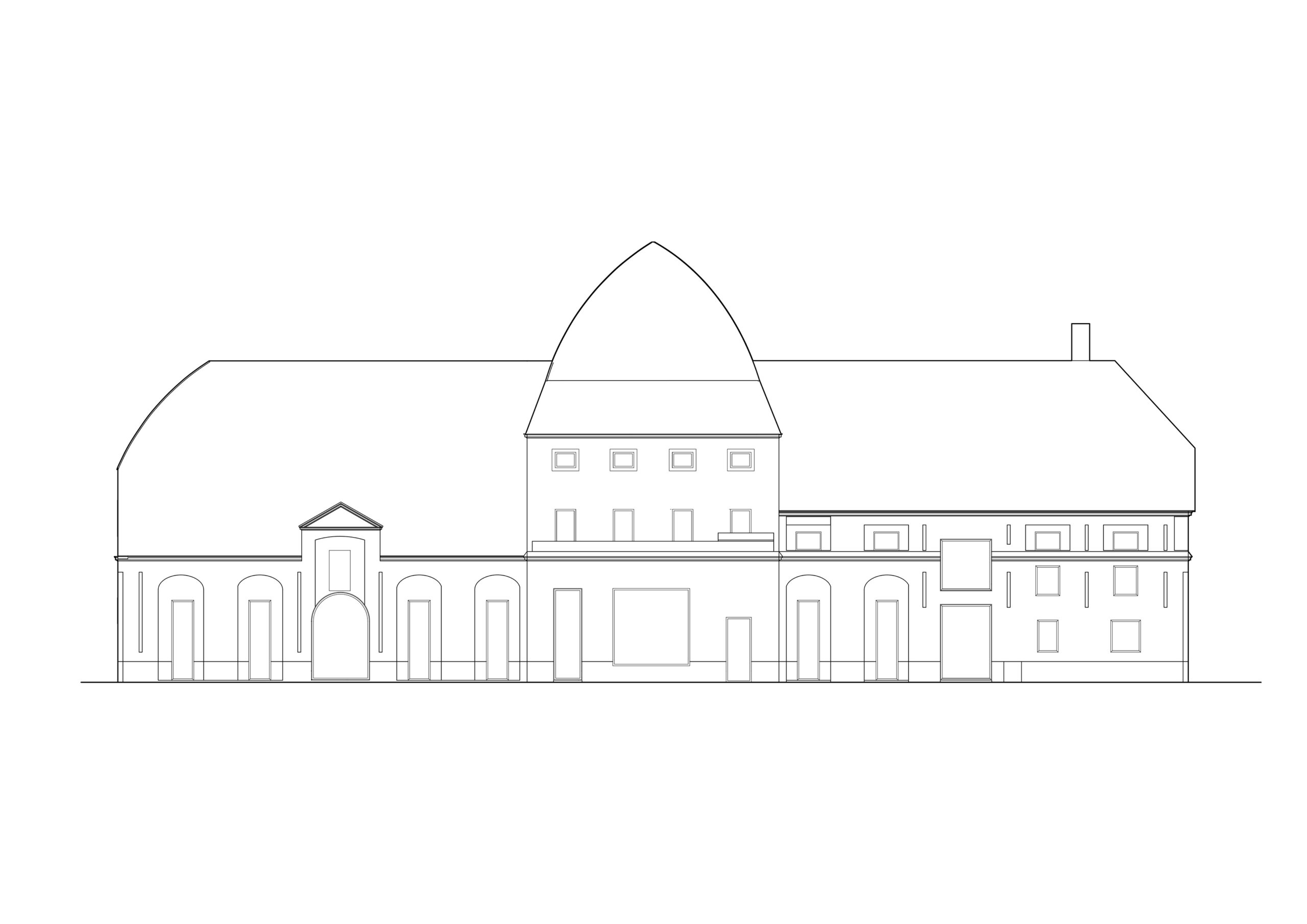
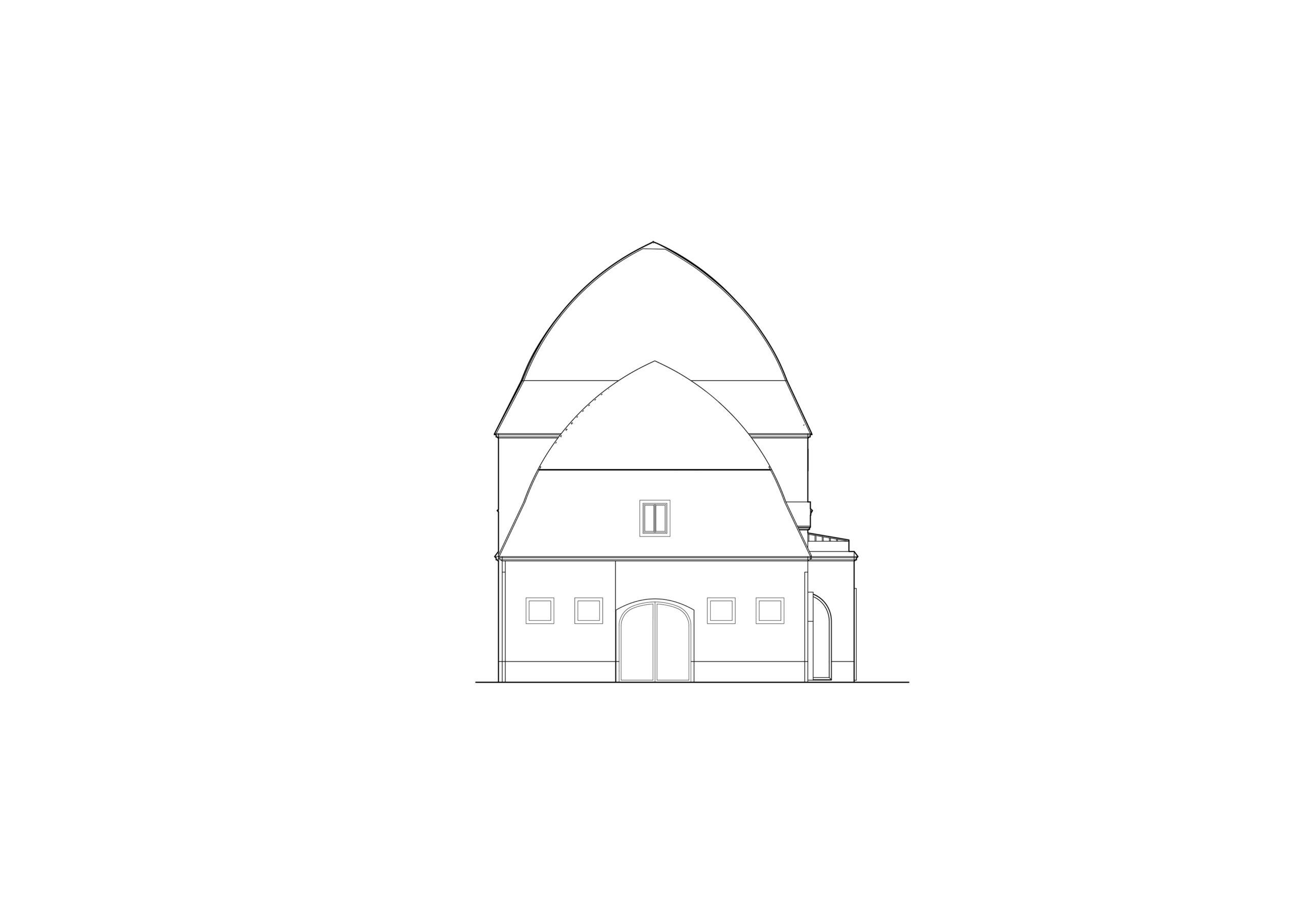
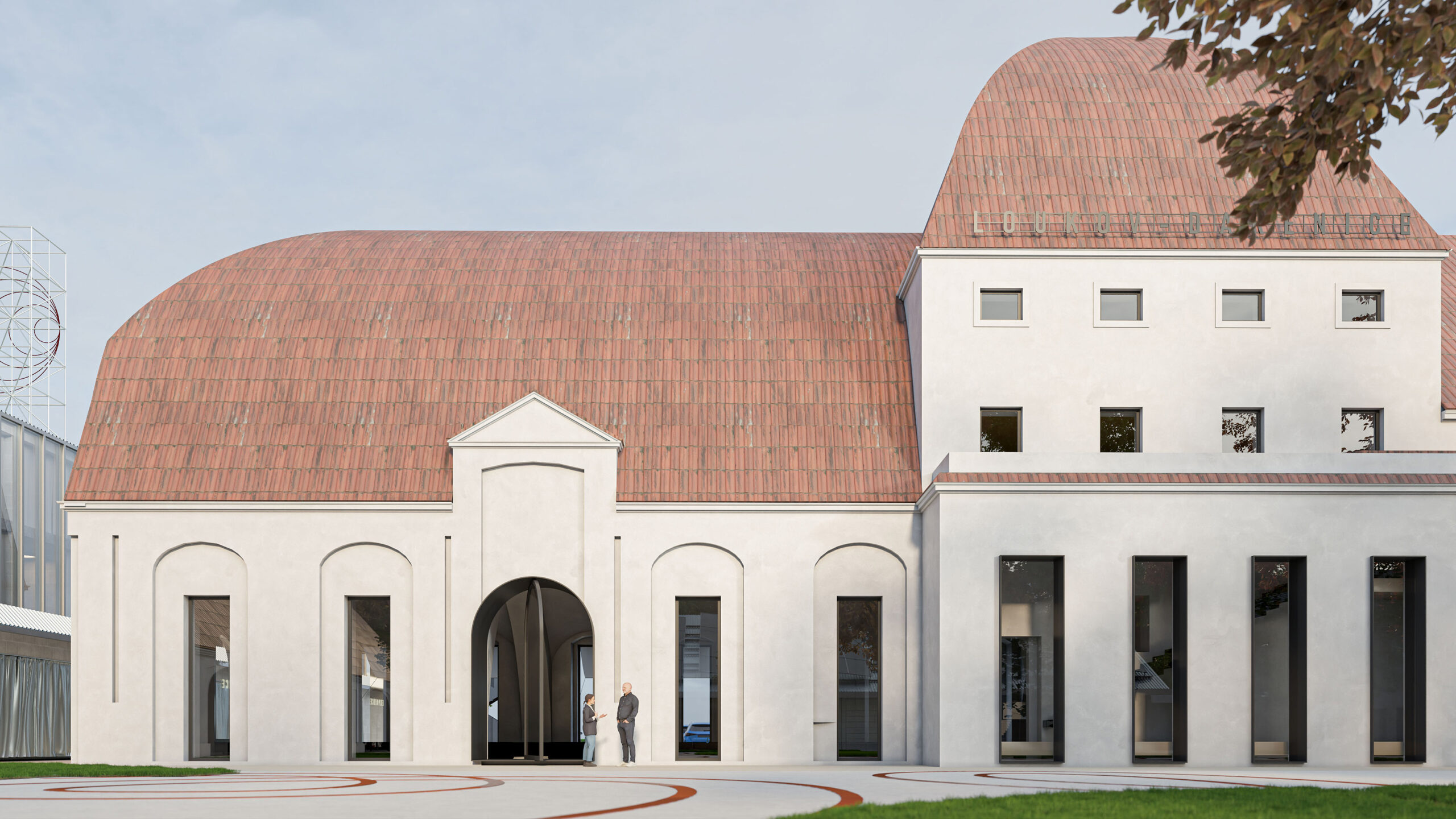
Inside, the ground floor with vaulted ceilings is used for exhibitions and public events. For easier access, the floor level has been lowered to match the surrounding terrain. In the central part of the building, a new technical core has been installed, housing an elevator and sanitary facilities. In the attic, the exposed truss structure is preserved, and the space is not divided by conventional partitions: instead, lightweight modules accommodate offices, meeting rooms, and a lounge area with a coffee corner.
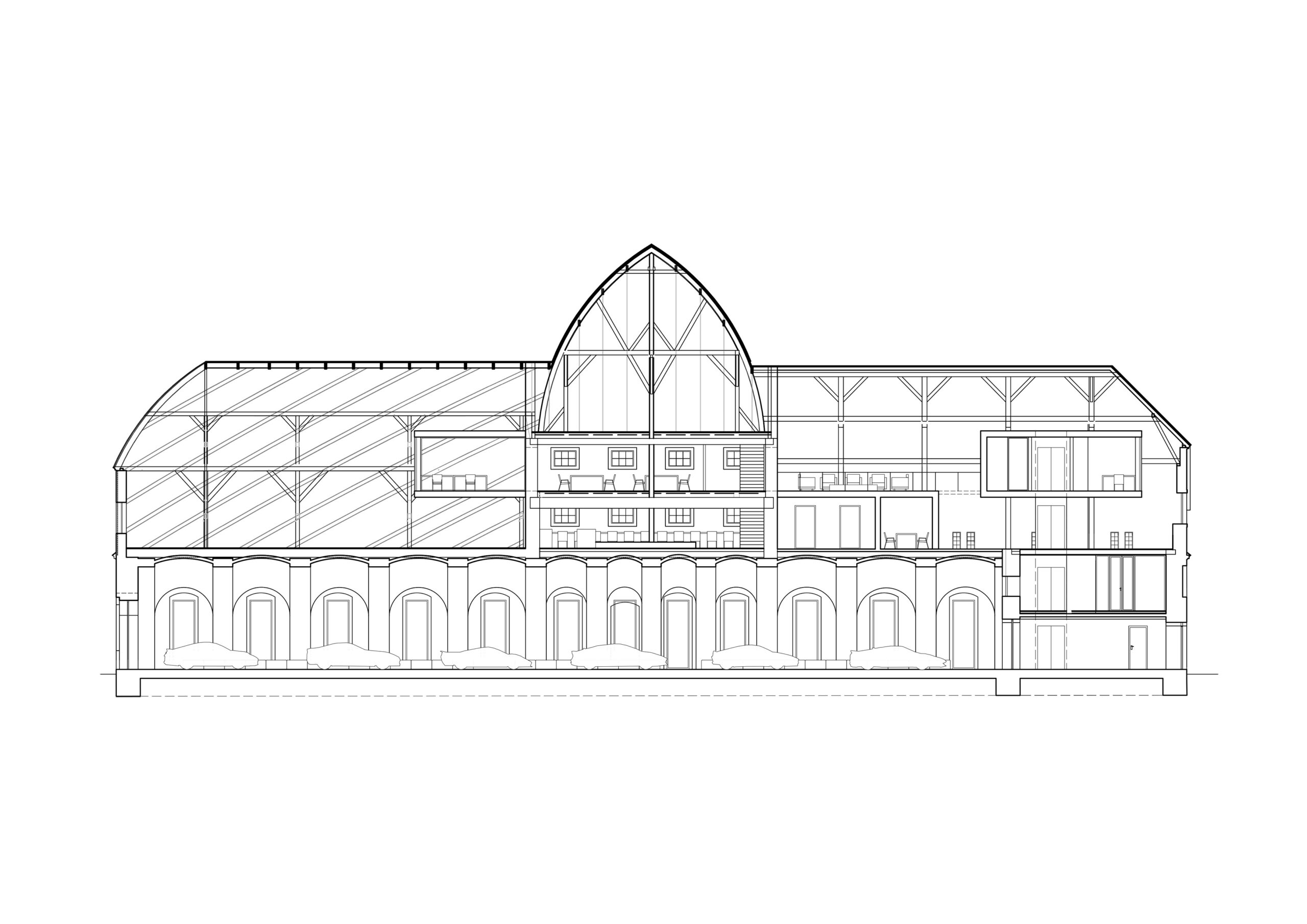
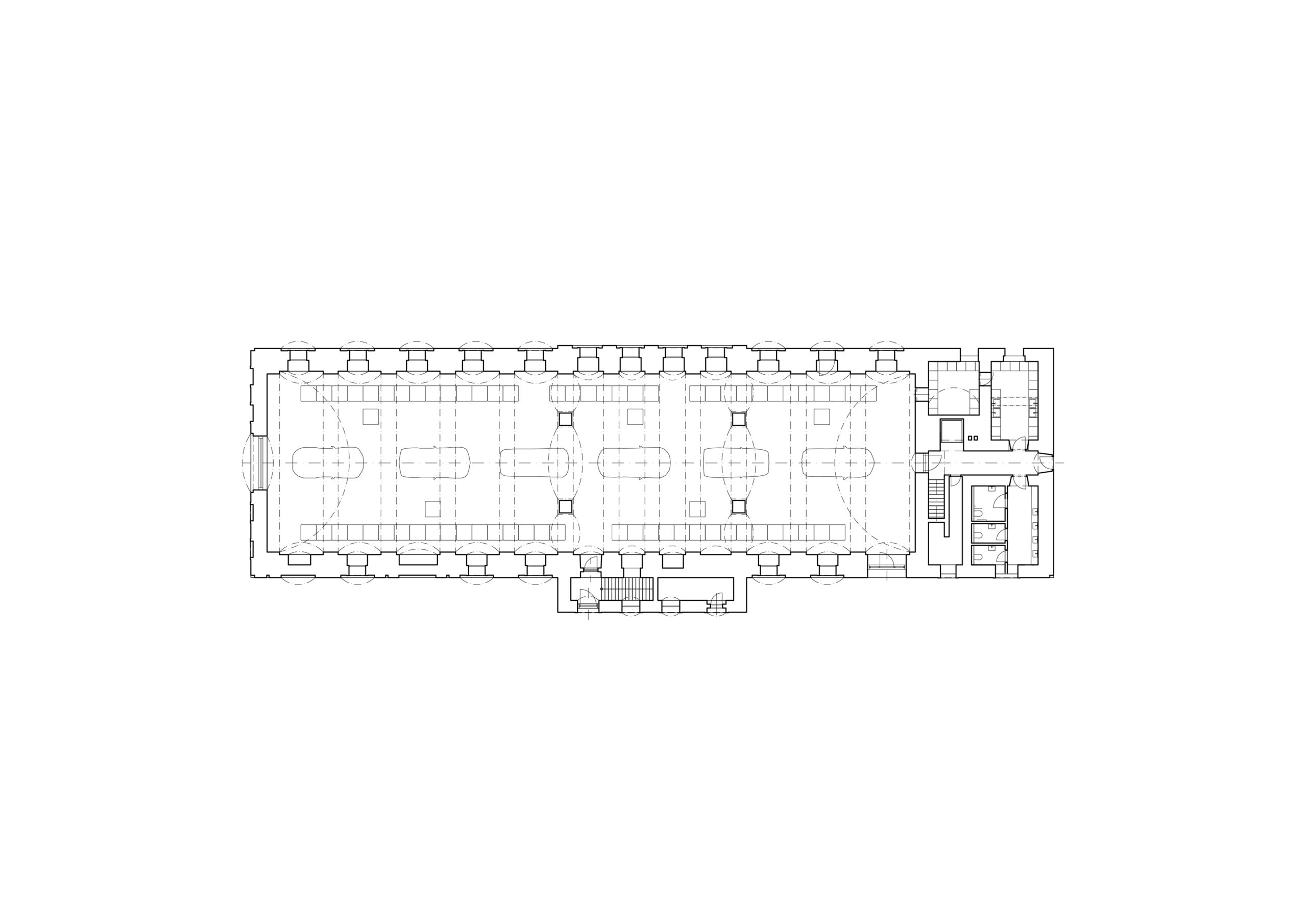
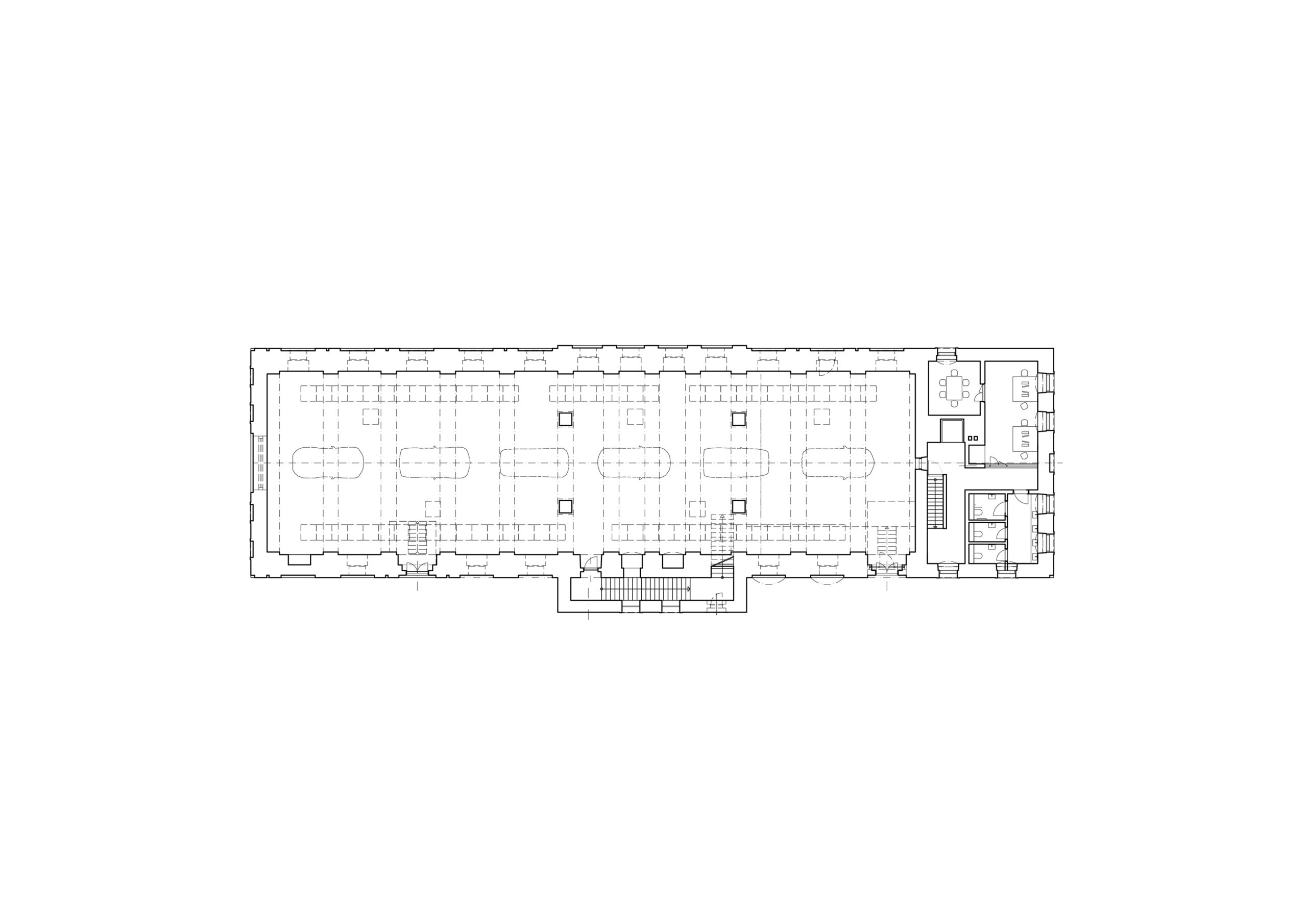
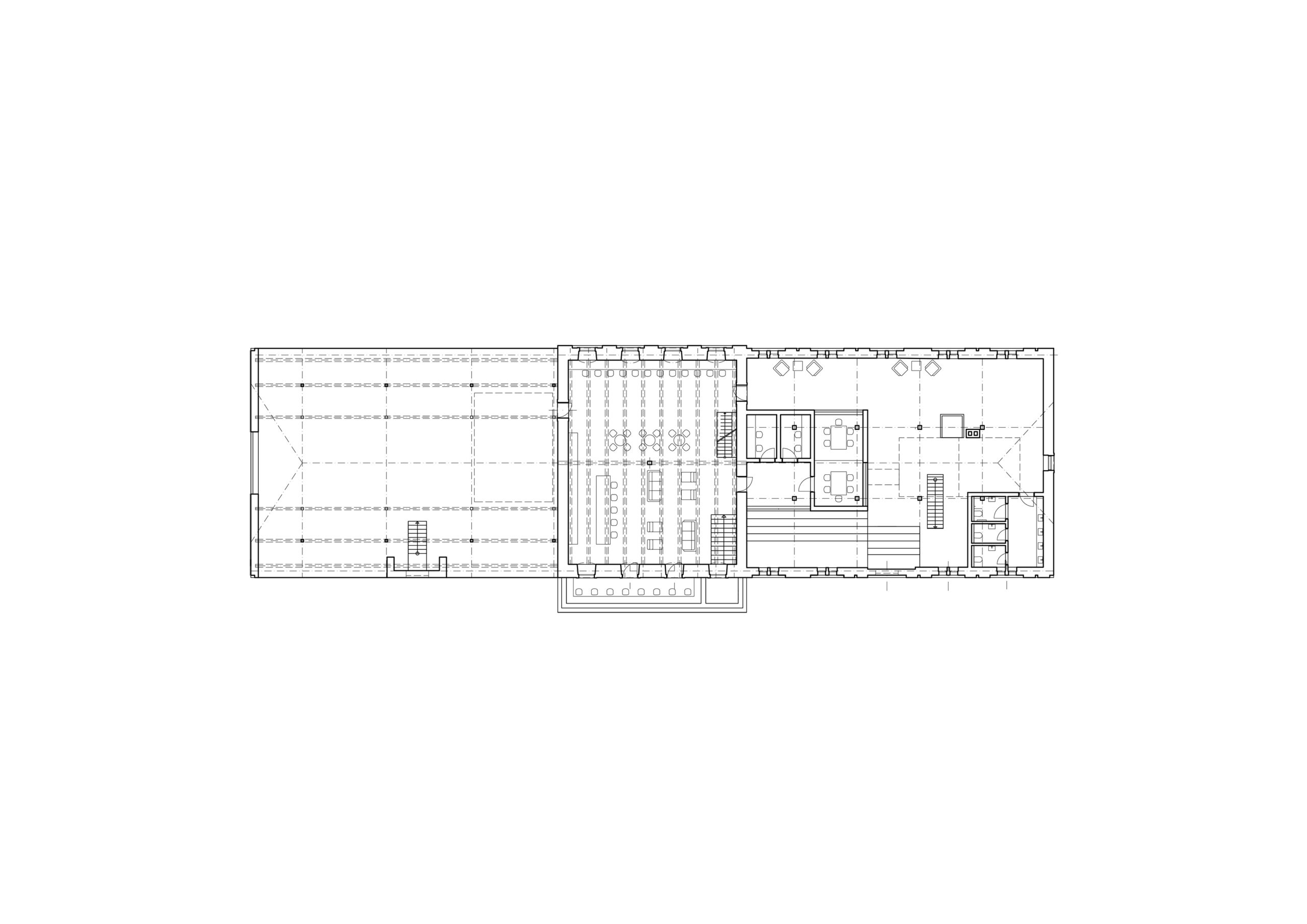
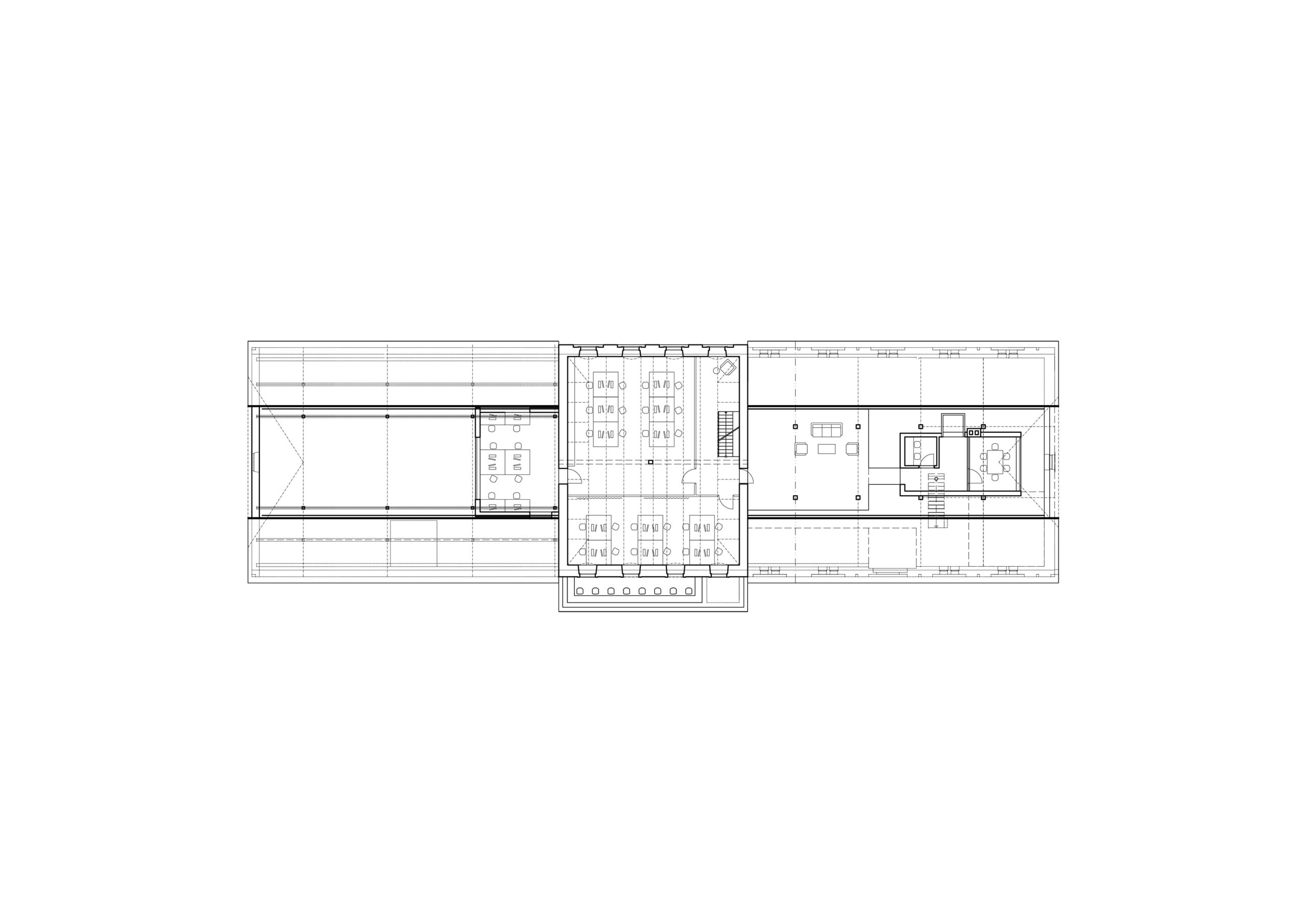
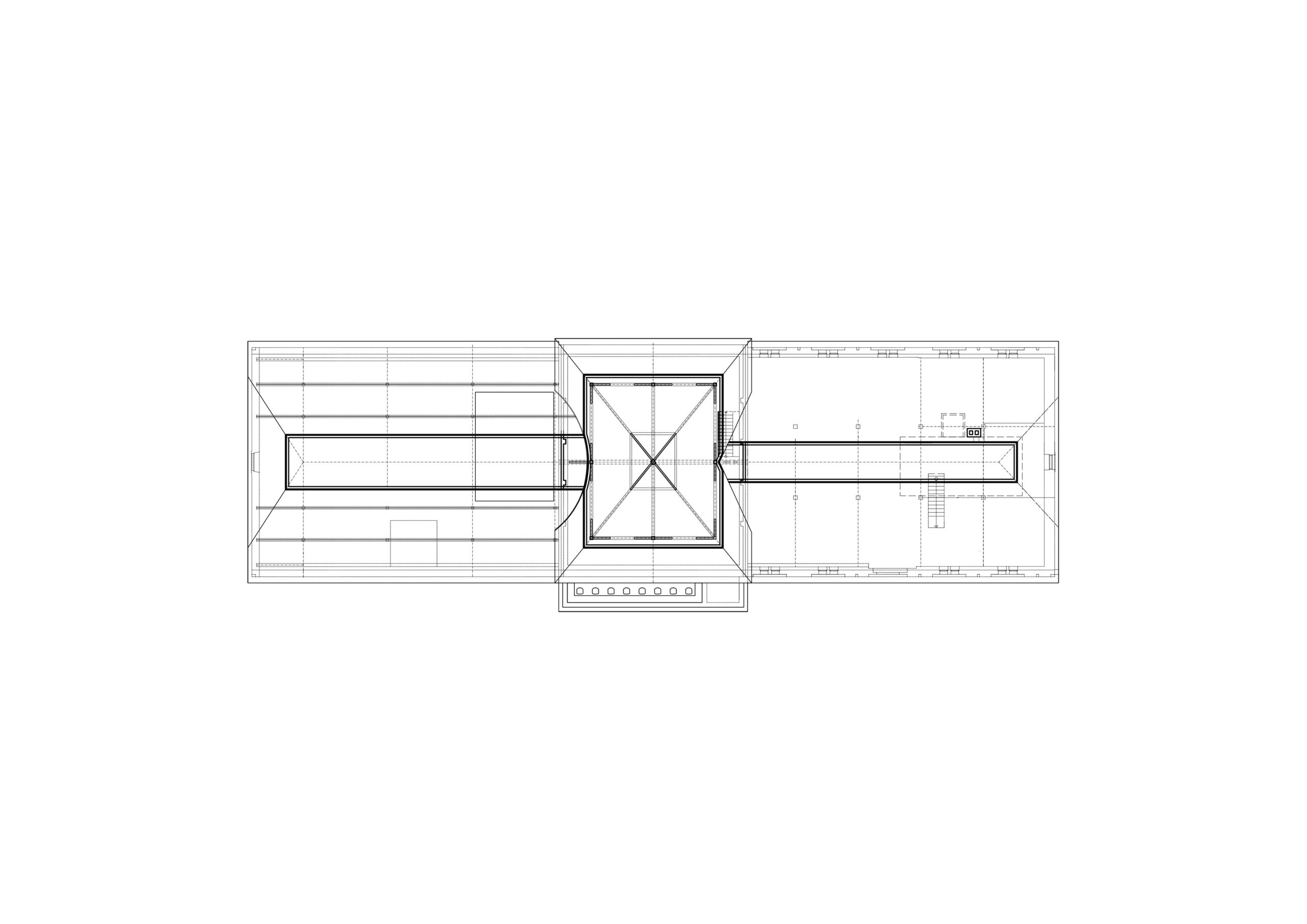
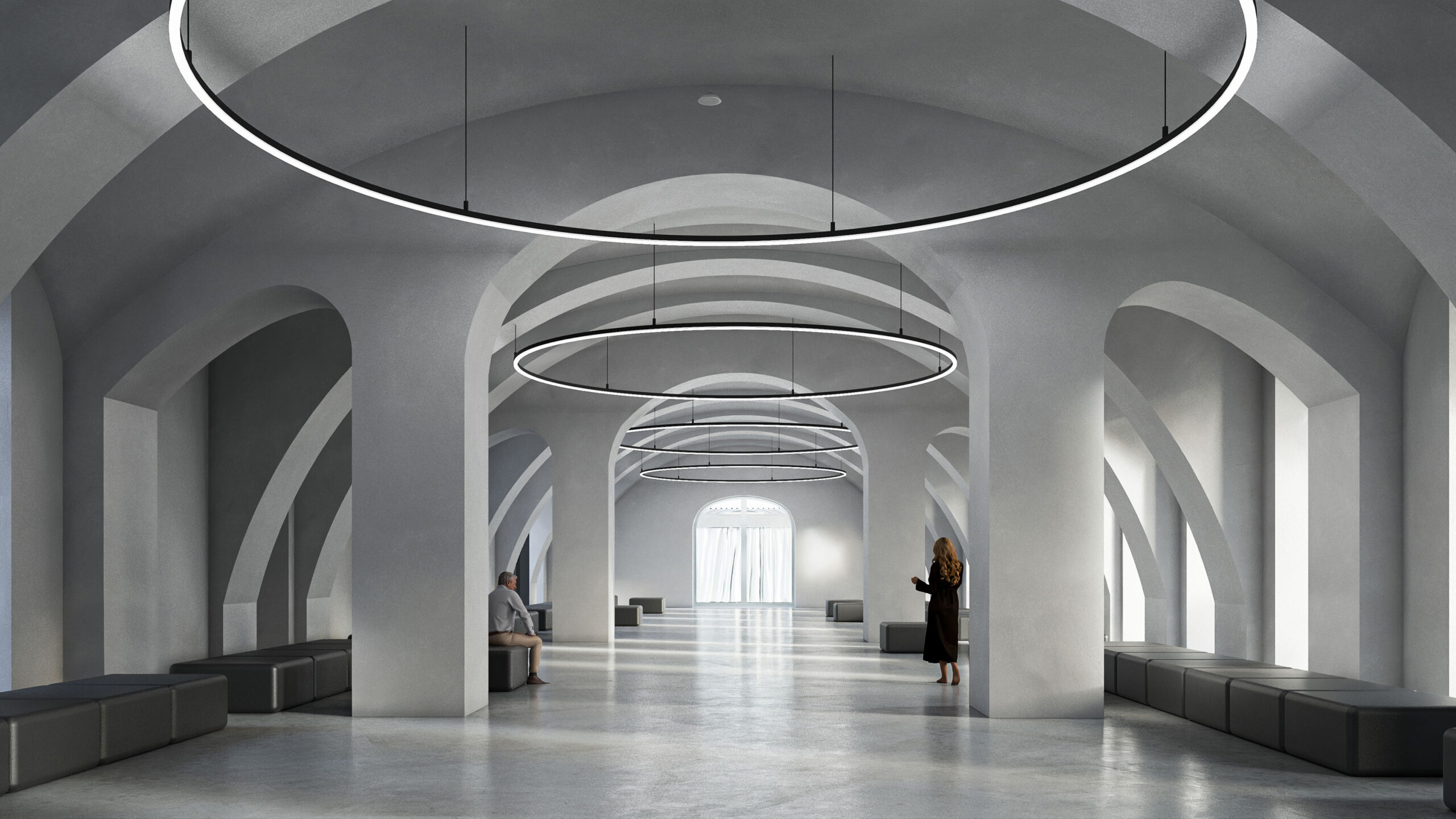
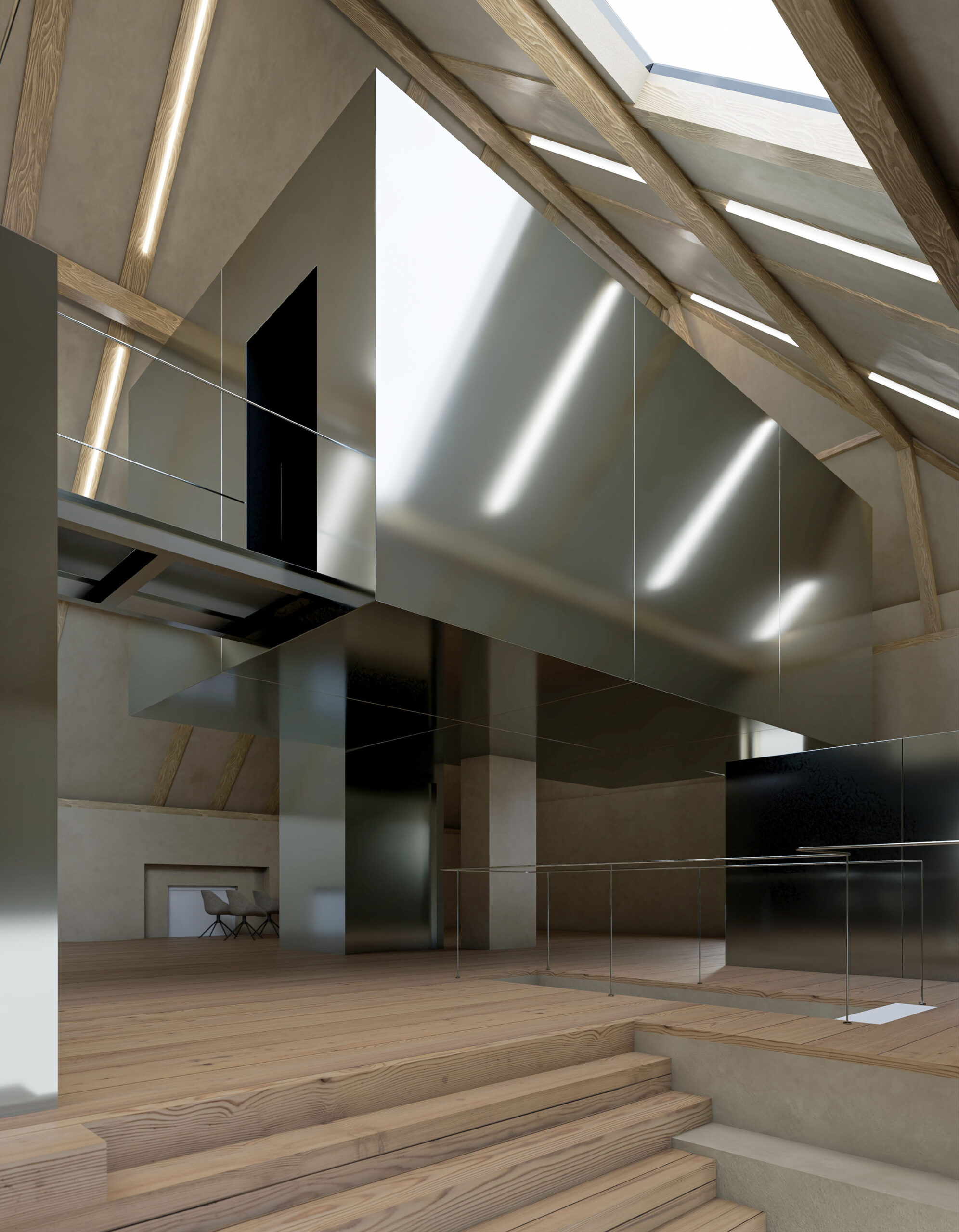
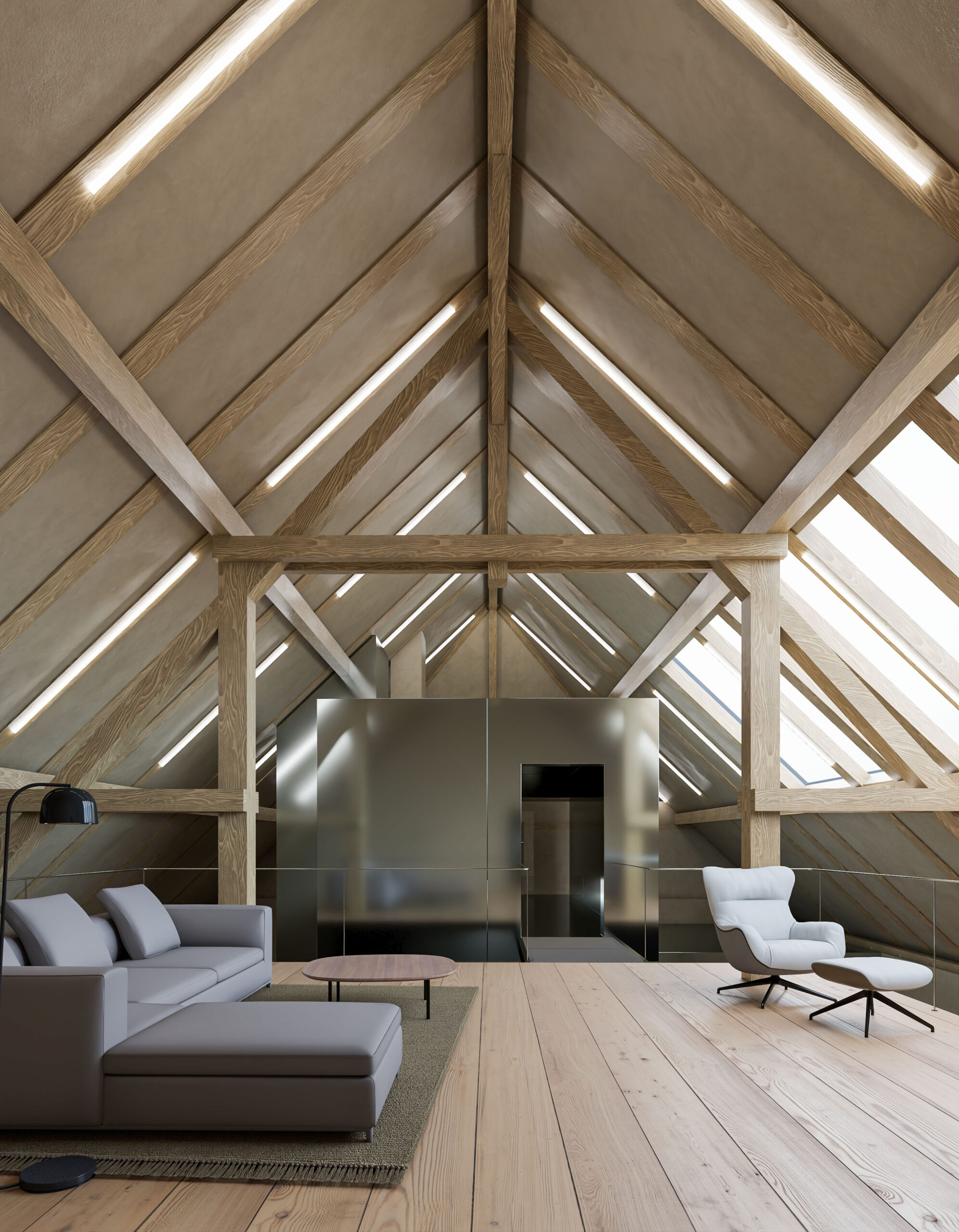
On either side of the Sýpka are two event spaces. To ensure smooth circulation during large gatherings, the facade is punctuated with large window-doors that open the interior to the outside and connect it seamlessly with the external areas. The central courtyard, framed by the four buildings, is used for exhibitions and smaller events, enhanced by tree plantings and a graphic motif on the lawns.
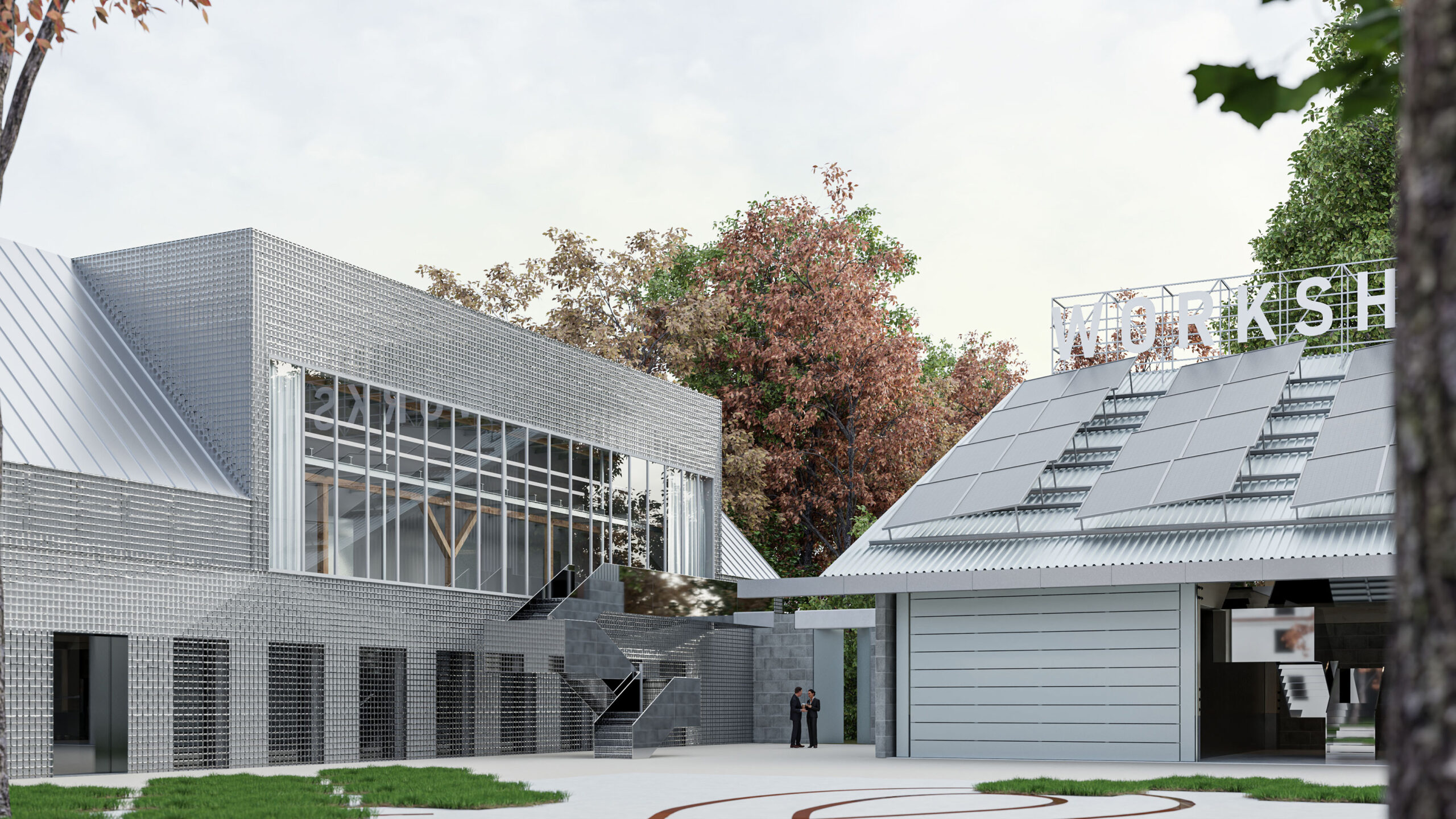
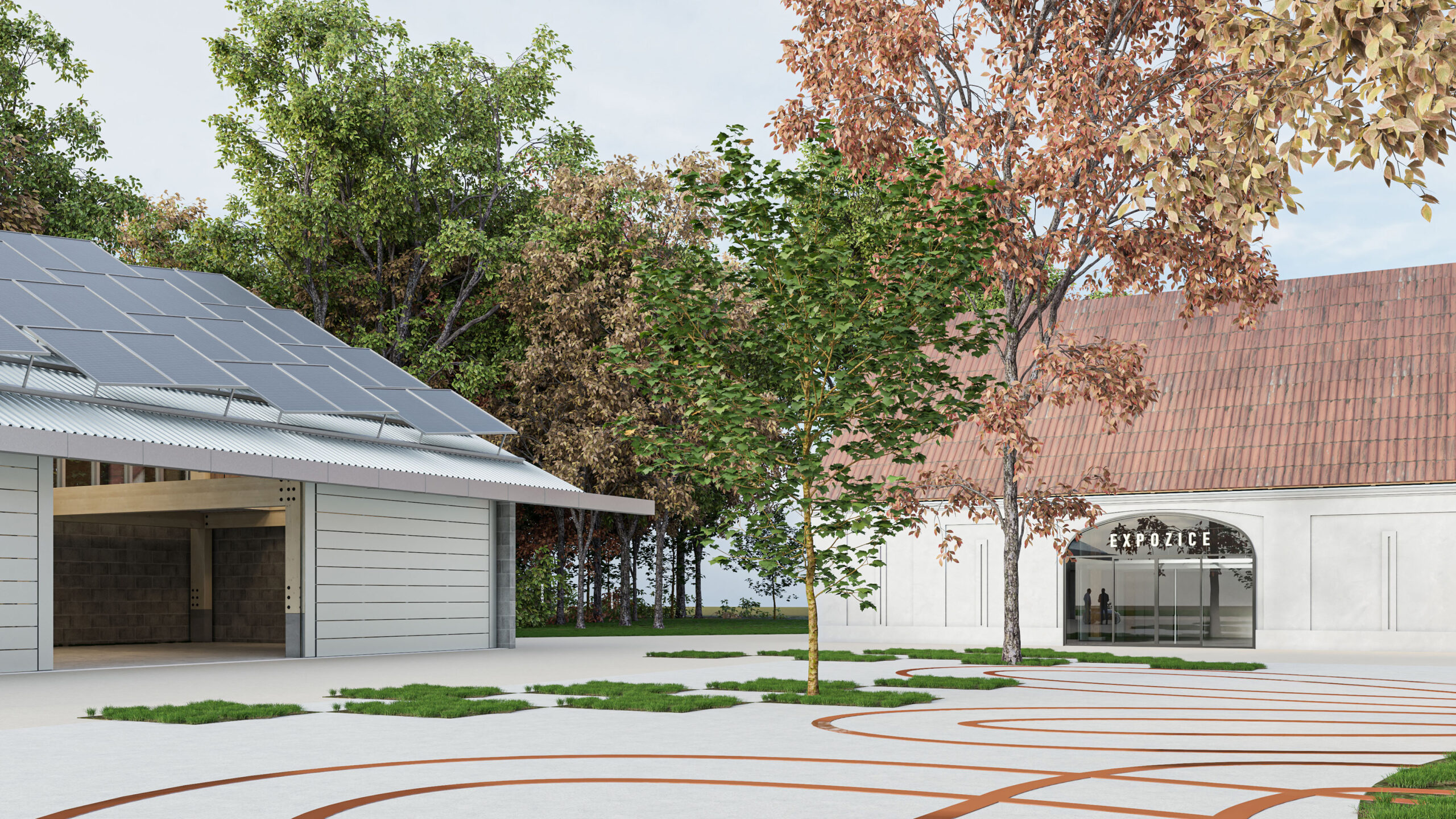
On the site of today’s Autoservis once stood an old stable, whose condition did not allow for restoration. Behind it, a view opened onto the forest and a stream running beyond the property. We embraced this natural aspect. The new service building is both practical and harmoniously integrated into the complex, responding confidently to its surroundings.
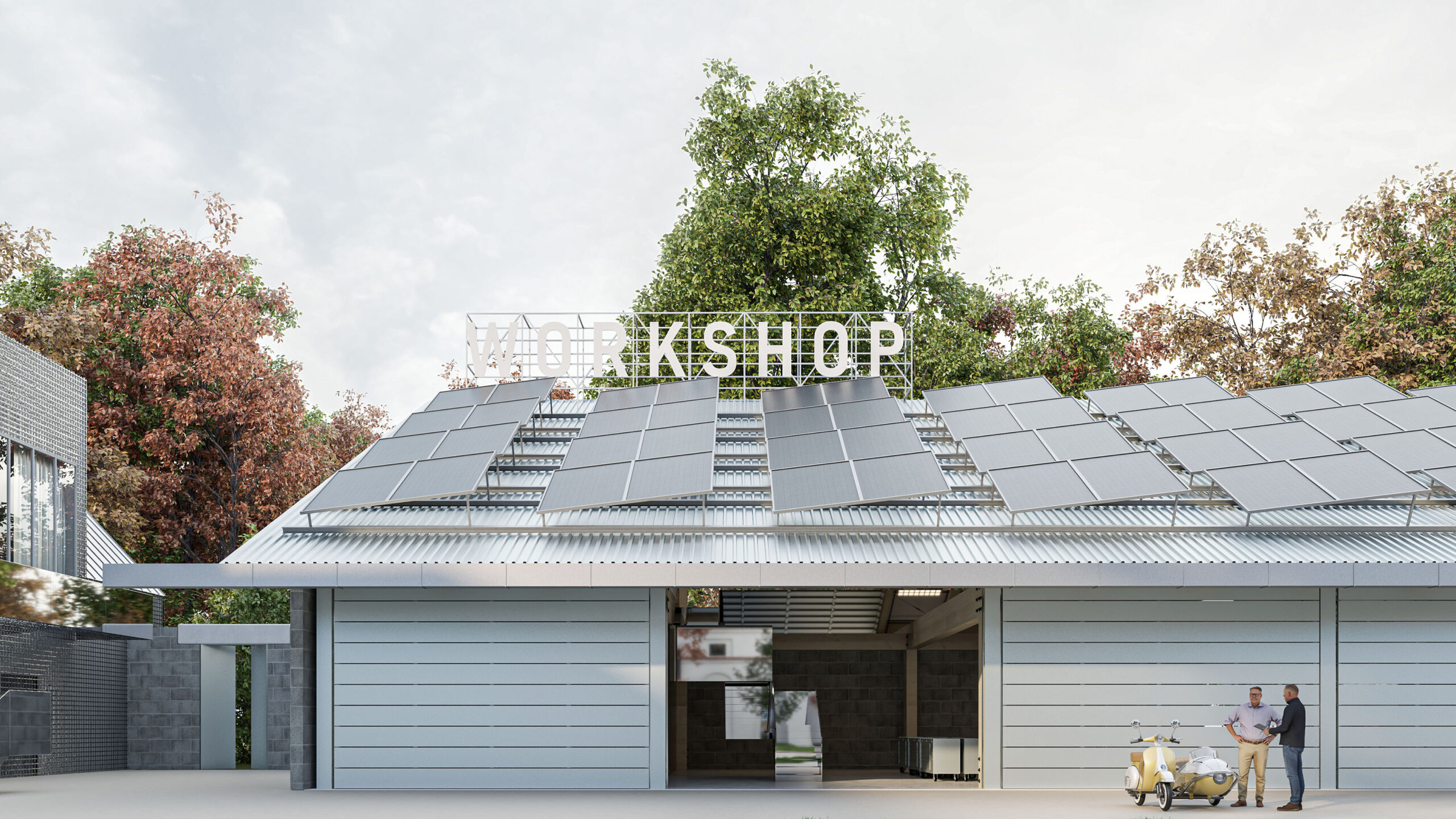
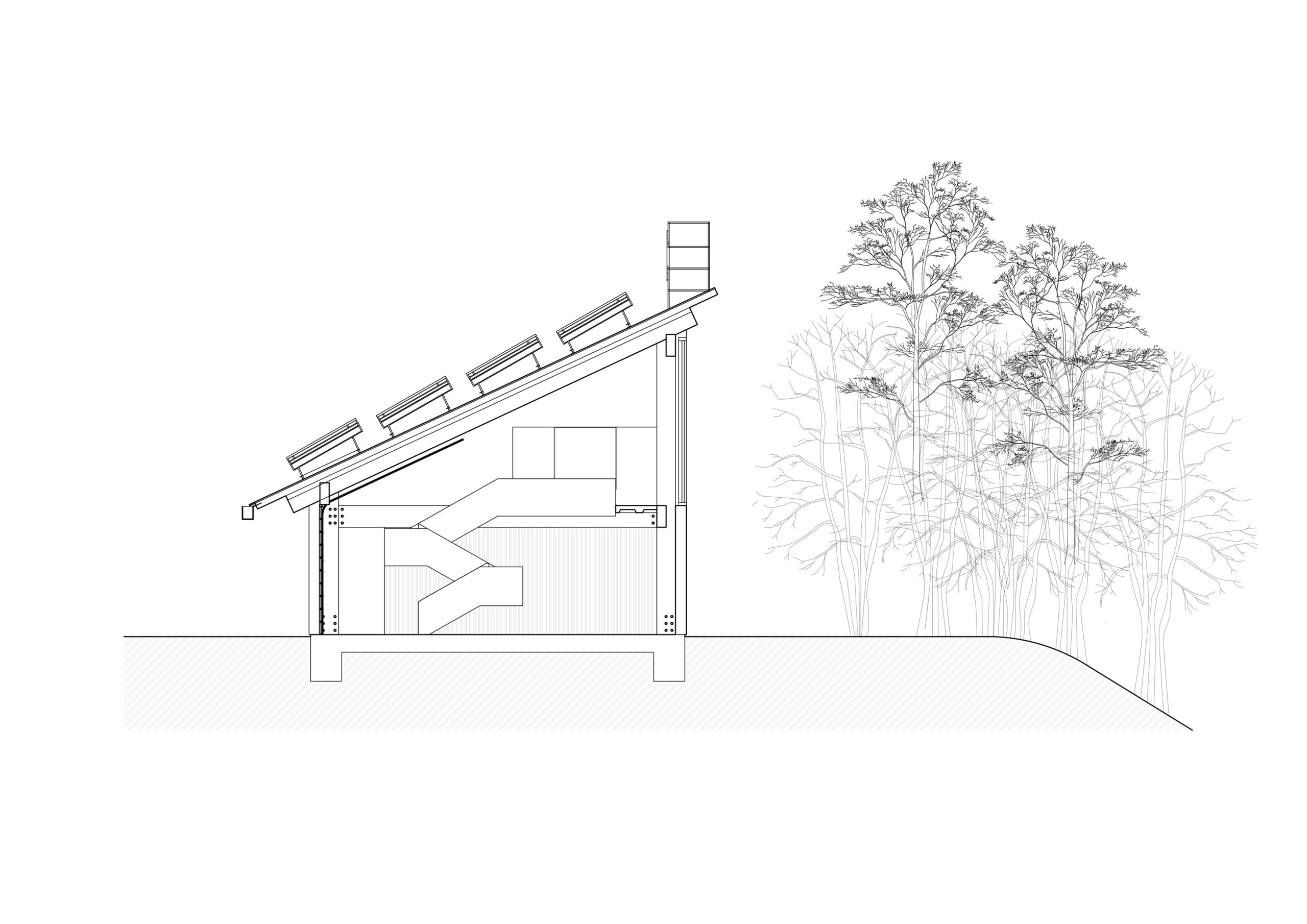
The building has a simple two-story structure with a south-facing shed roof fitted with solar panels. The lower floor is constructed from cement blocks — a sturdy and practical solution for the workshop, car wash, and paint area. The upper floor is a lightweight wooden structure, housing offices and a waiting area with views over the workshop and the forest with its stream. Between the service building and the brewery, a dividing wall with a passage to the forest creates a natural connection between the complex and the surrounding landscape, as well as pedestrian routes leading to the river.
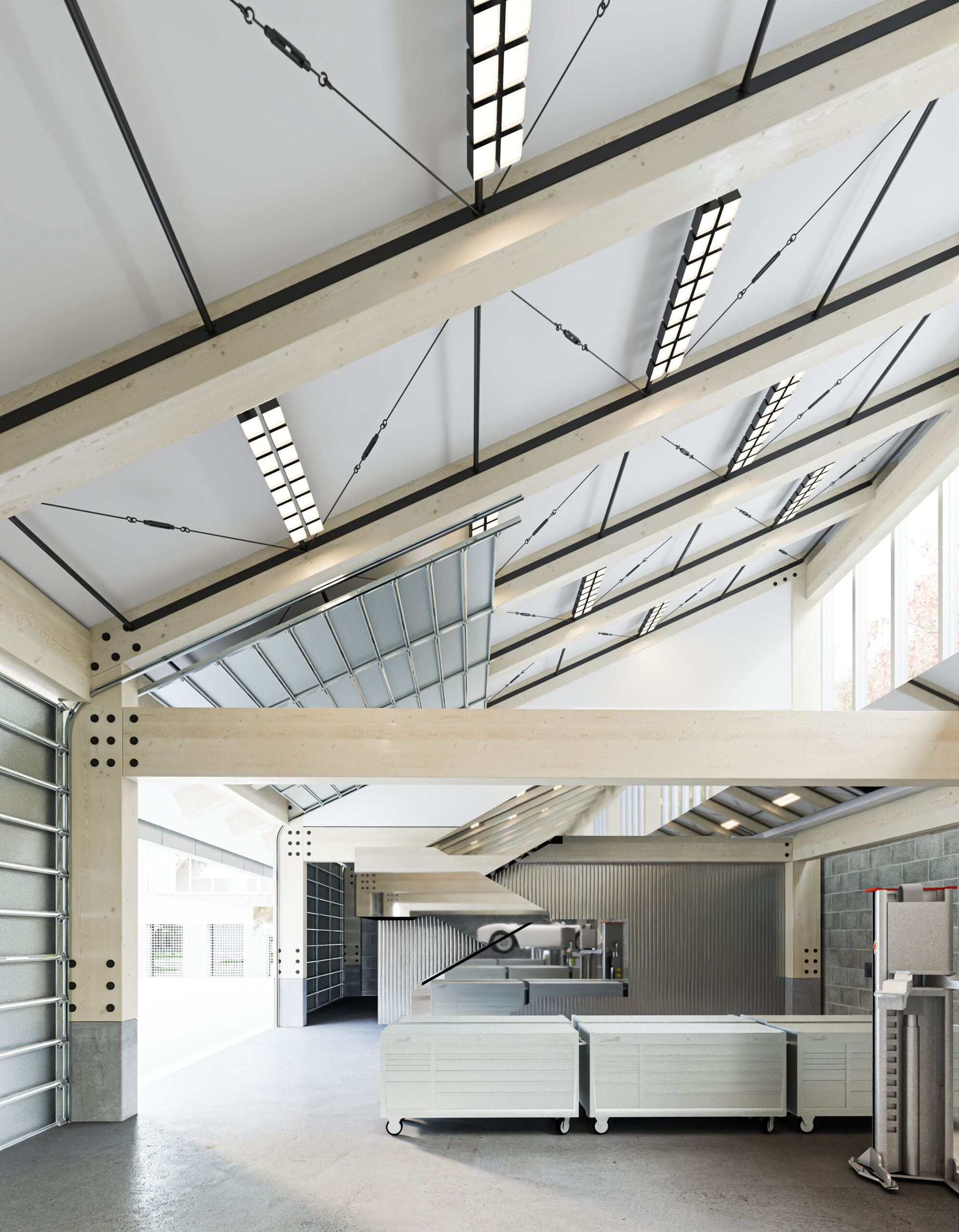
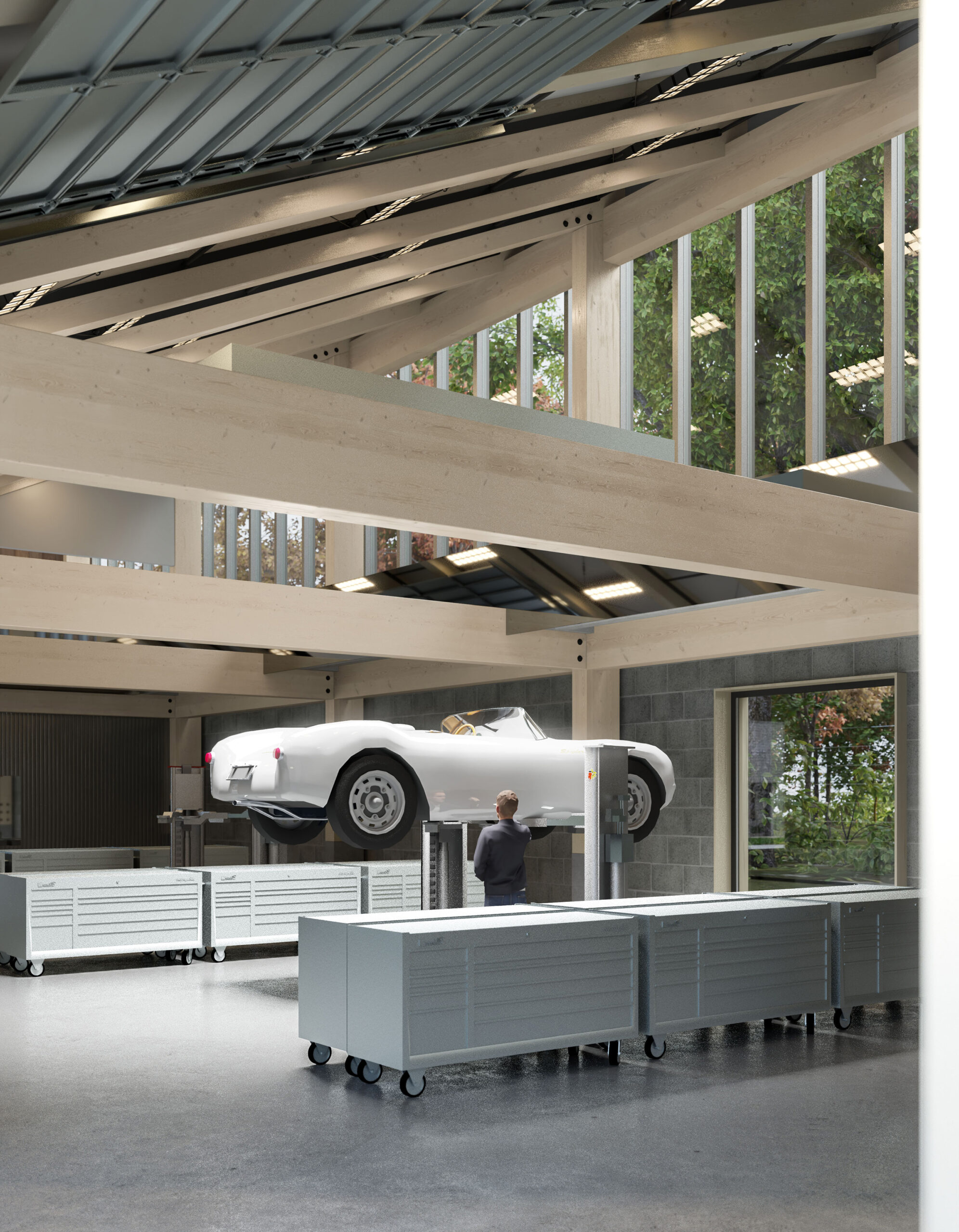
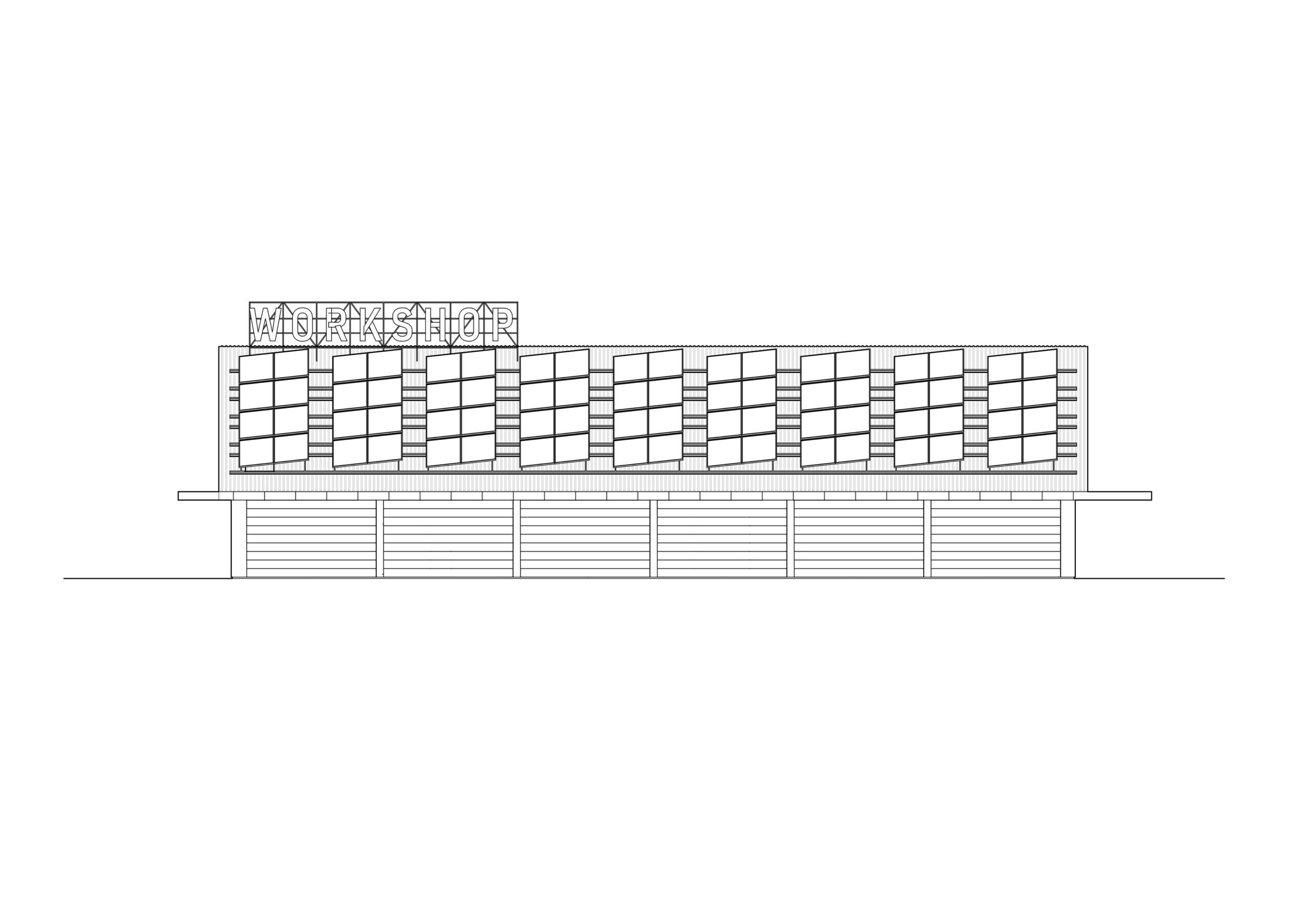
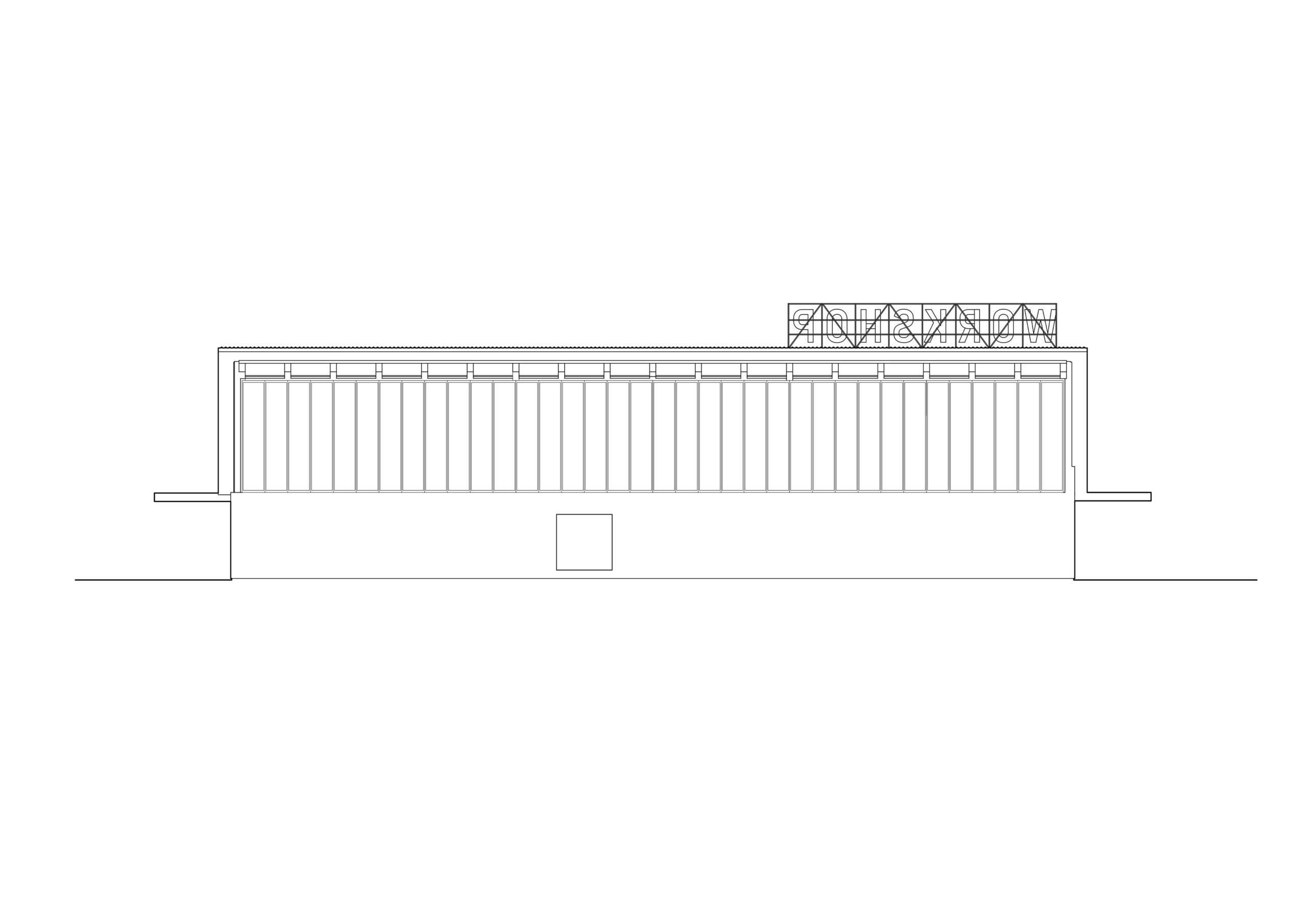
Stodola is a historic building adapted for the new functions of the complex. It houses valuable cars and motorcycles: a steel structure with storage floors has been added to the original wooden frame, equipped with lifts to move the vehicles and spiral staircases for visitors.
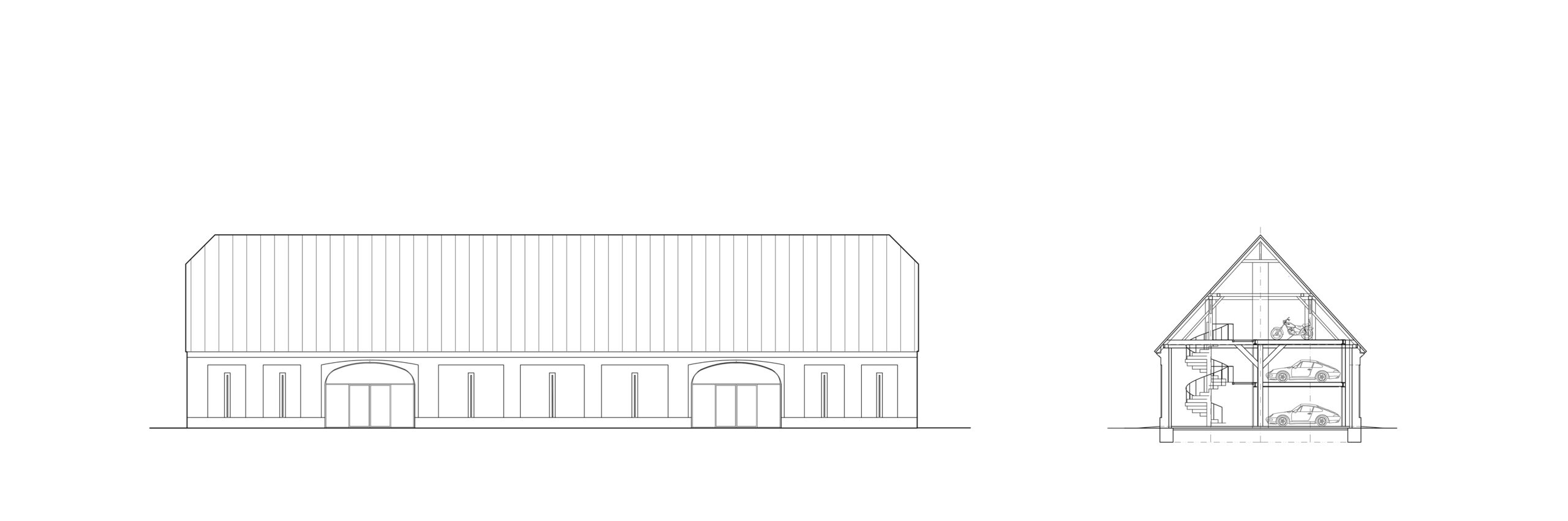
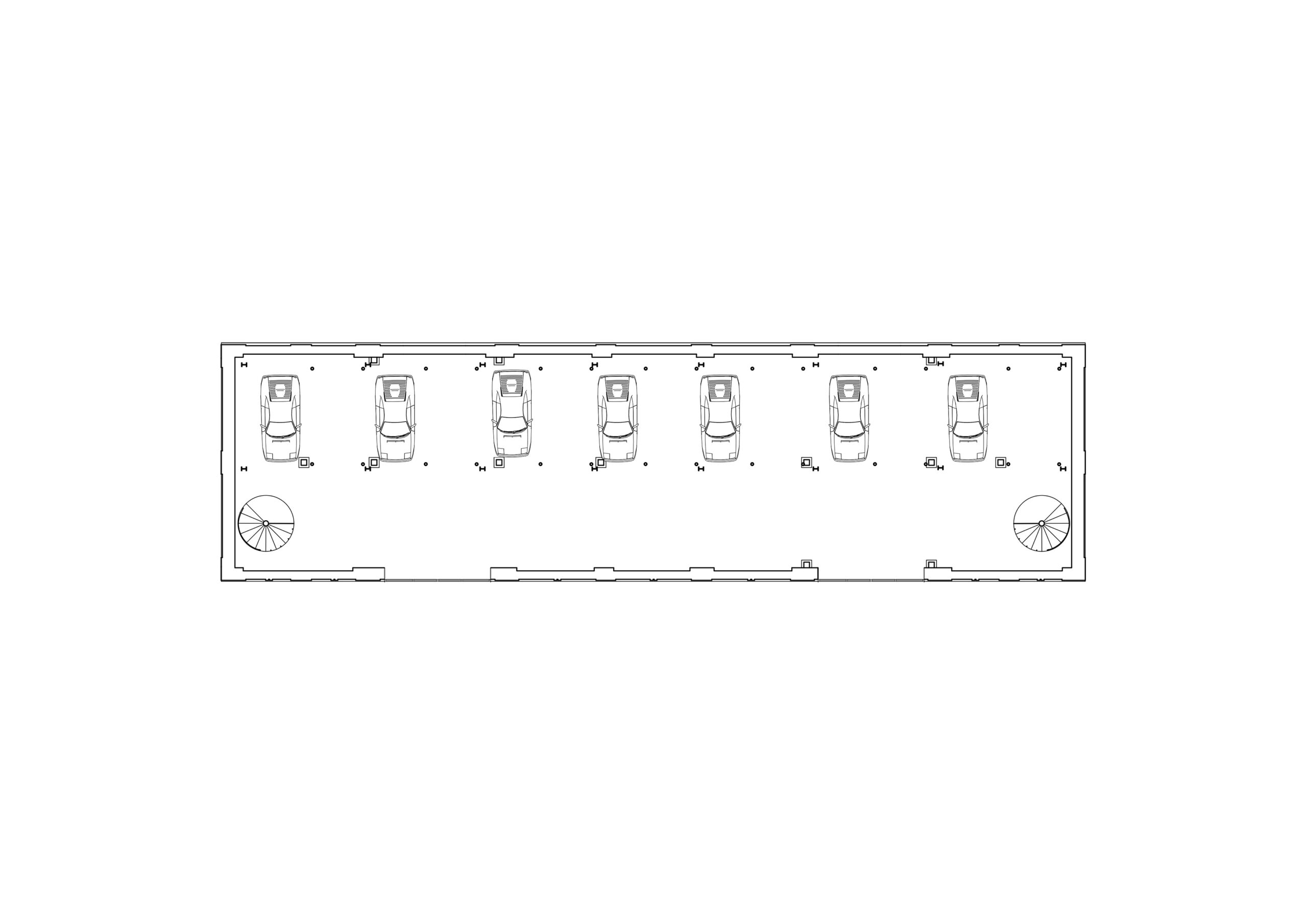
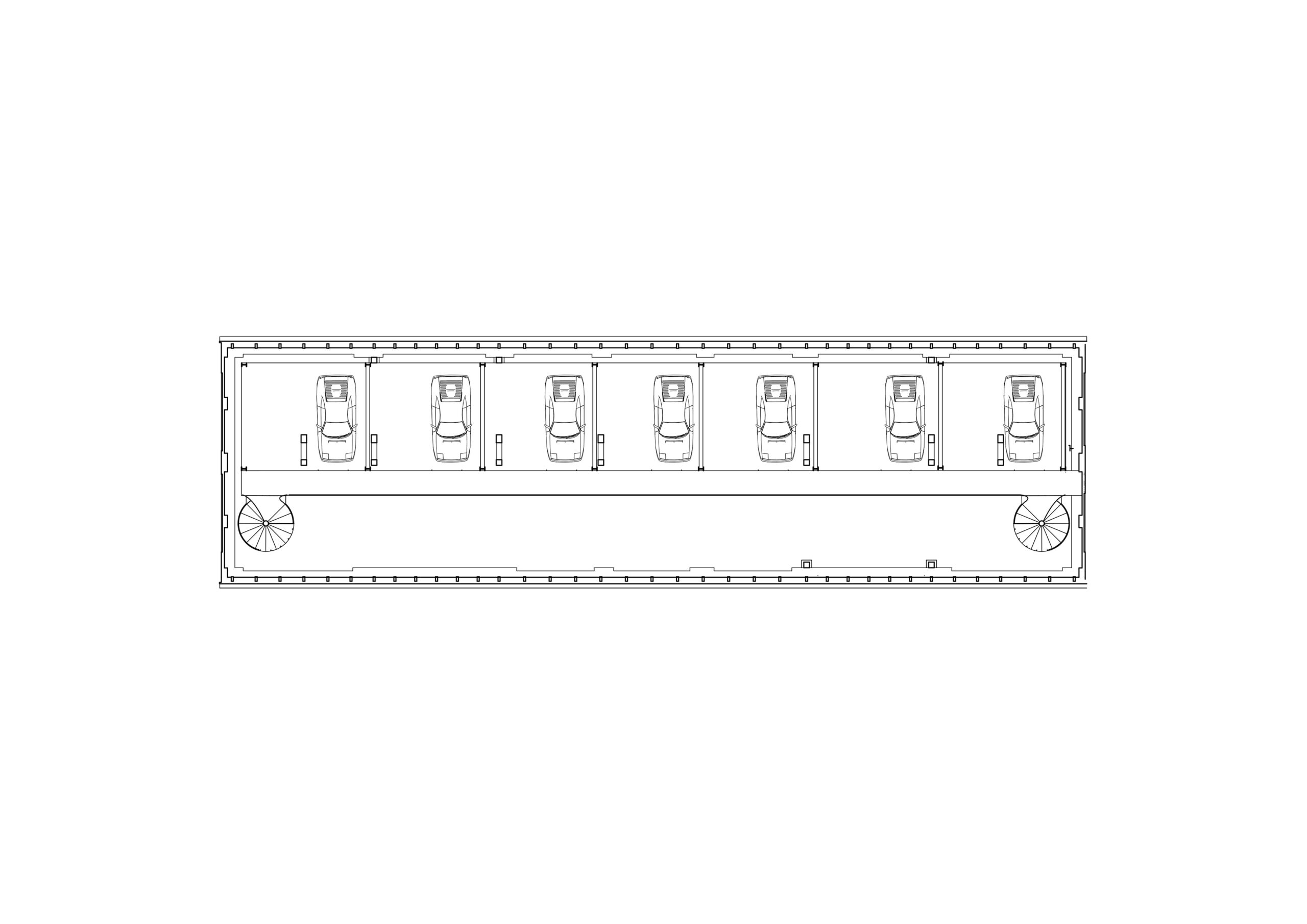
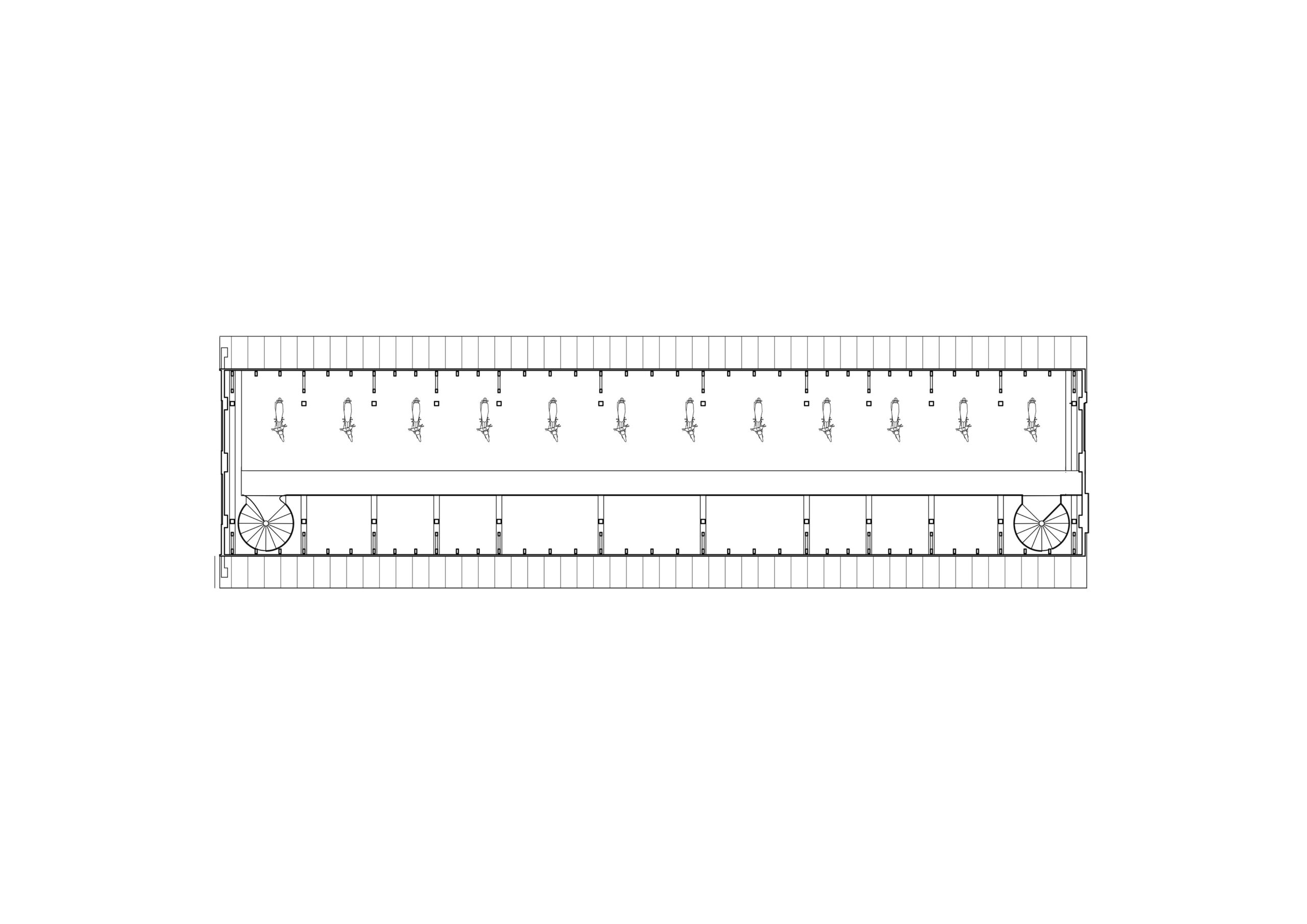
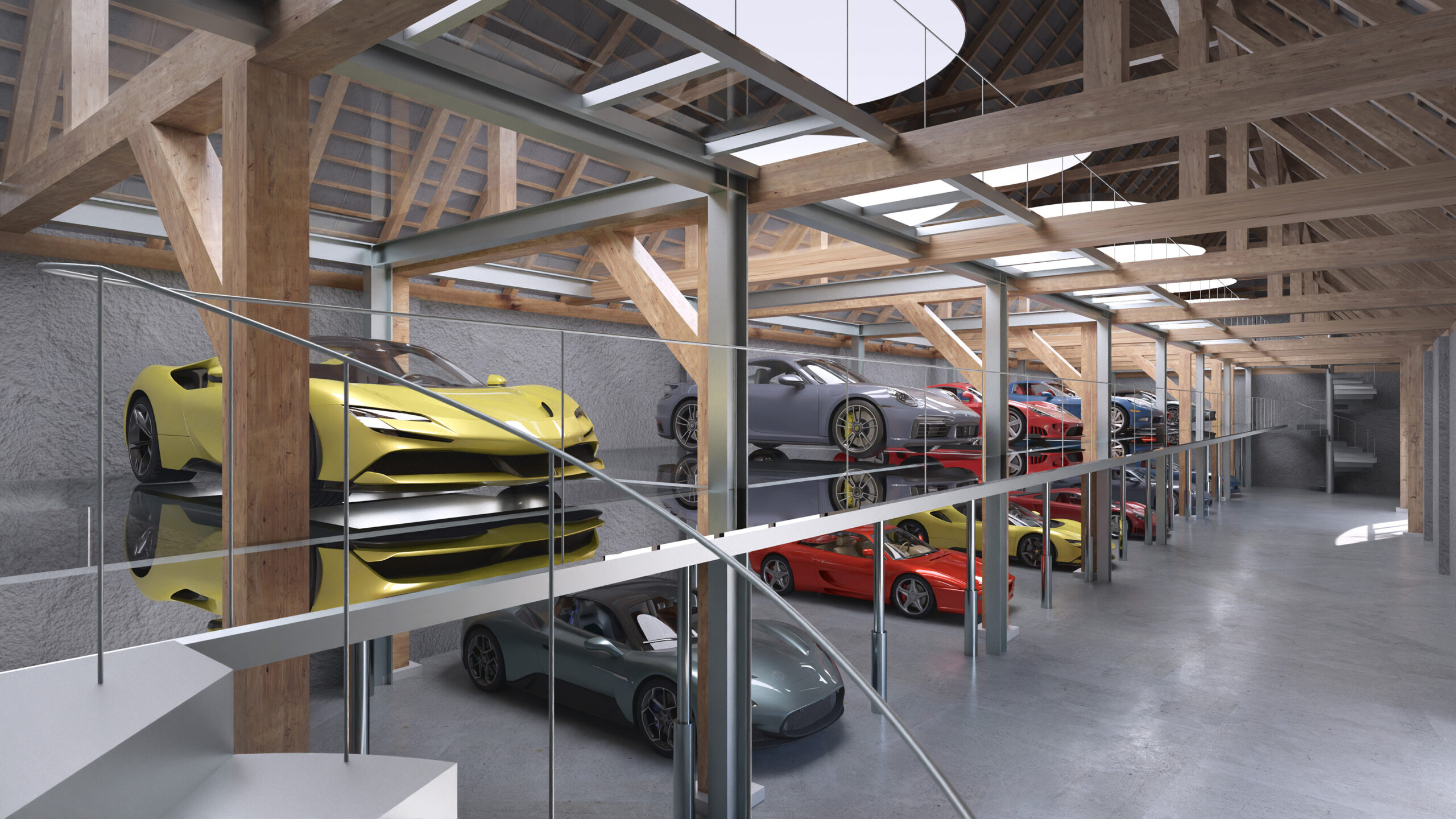
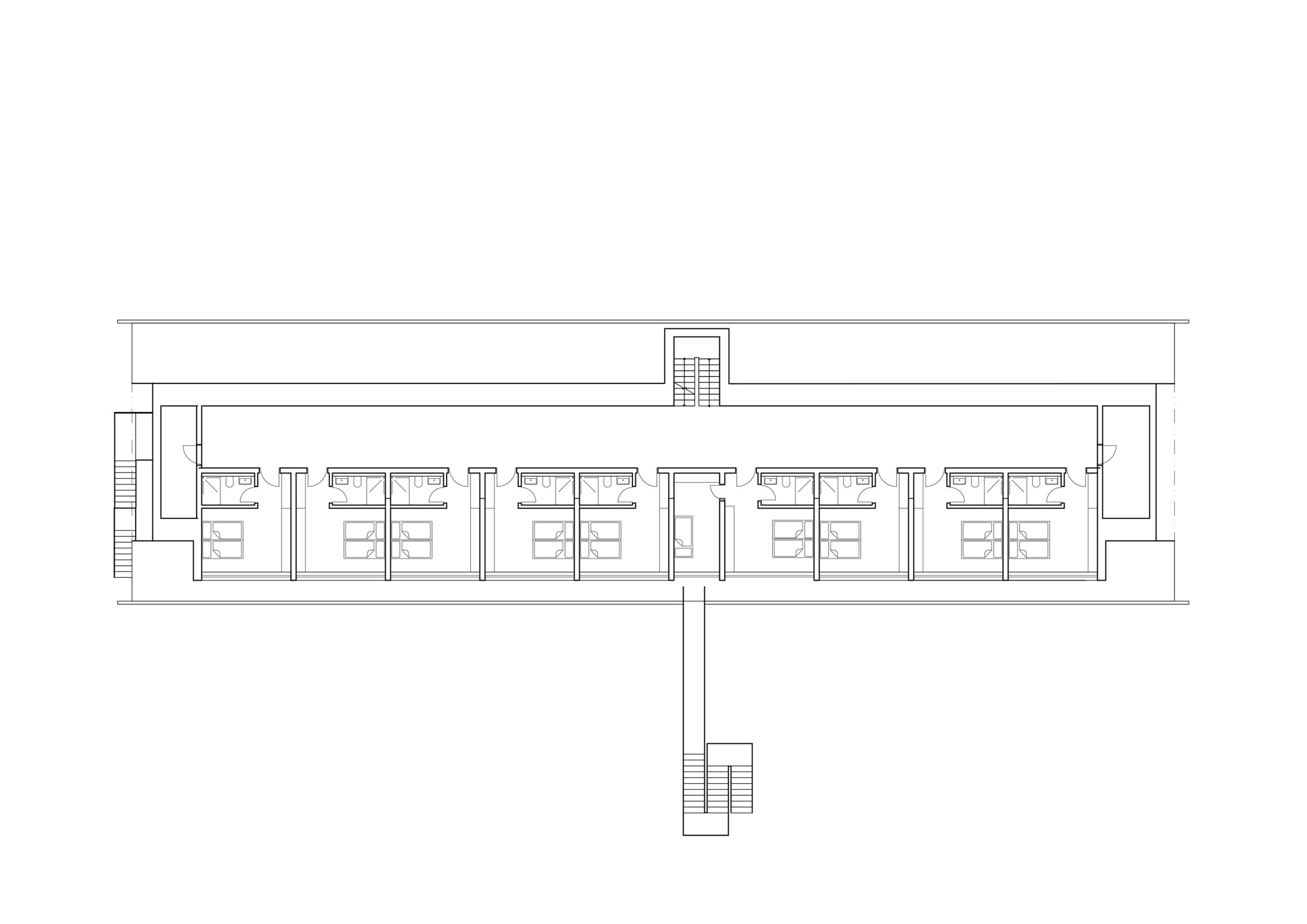
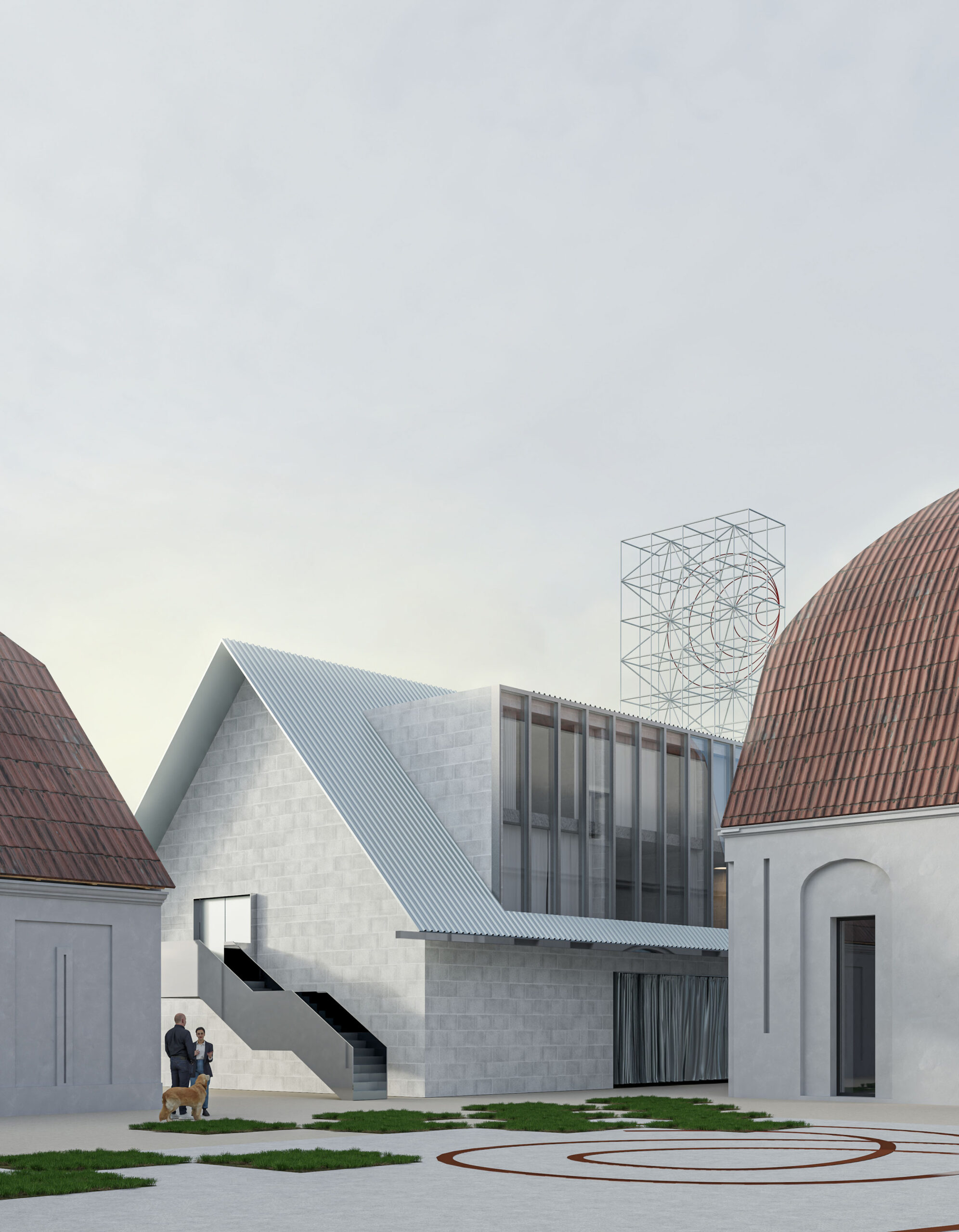
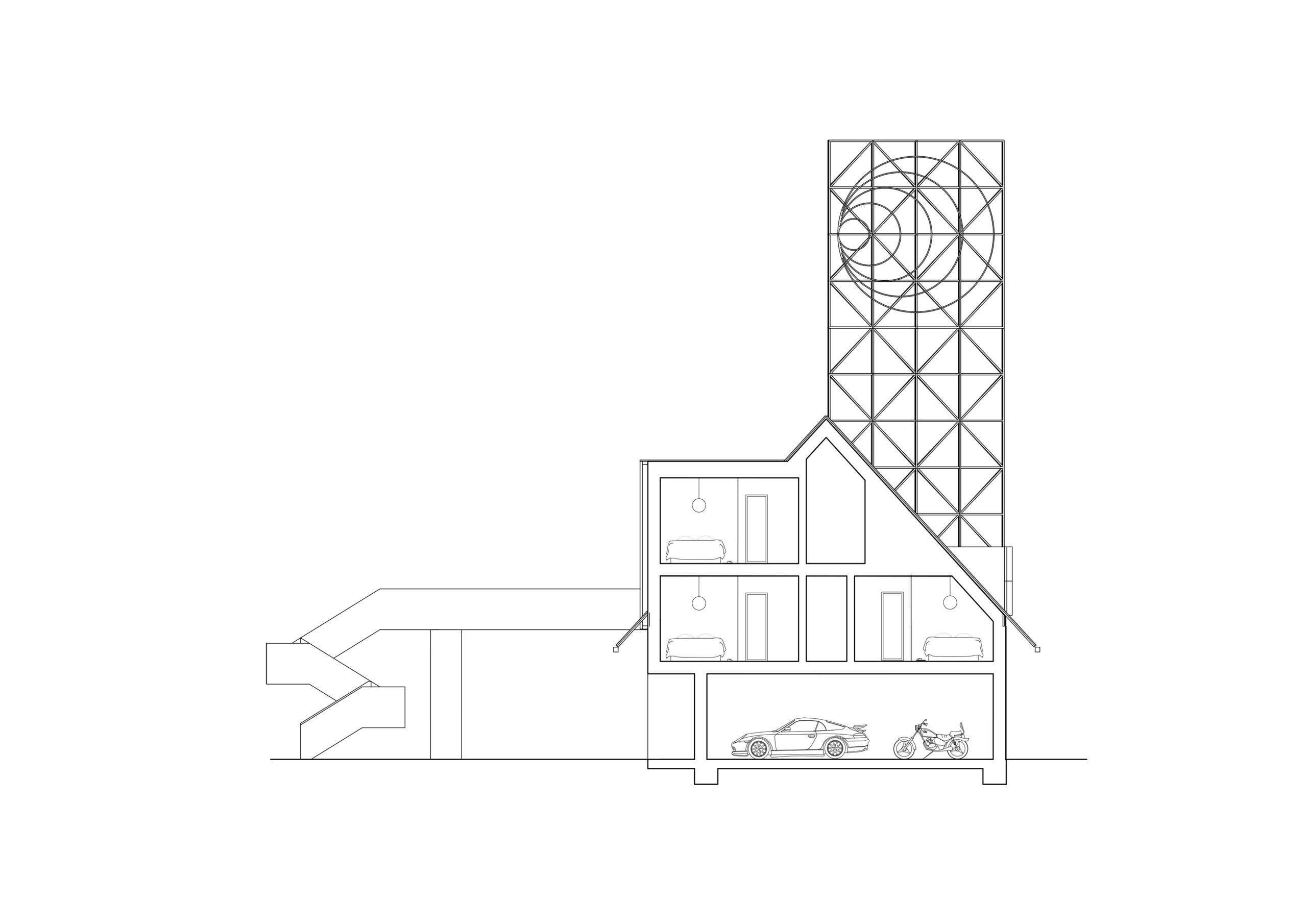
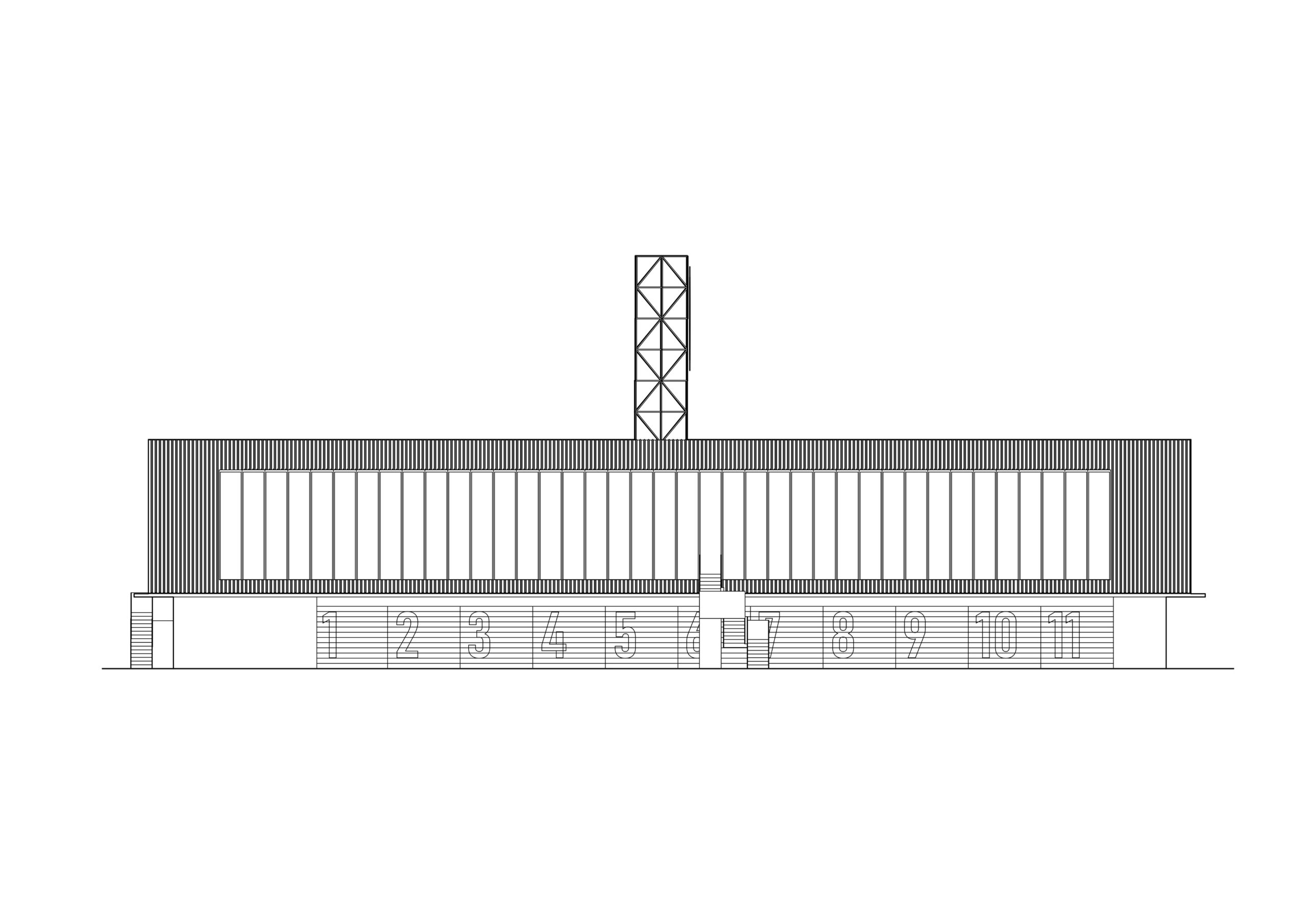
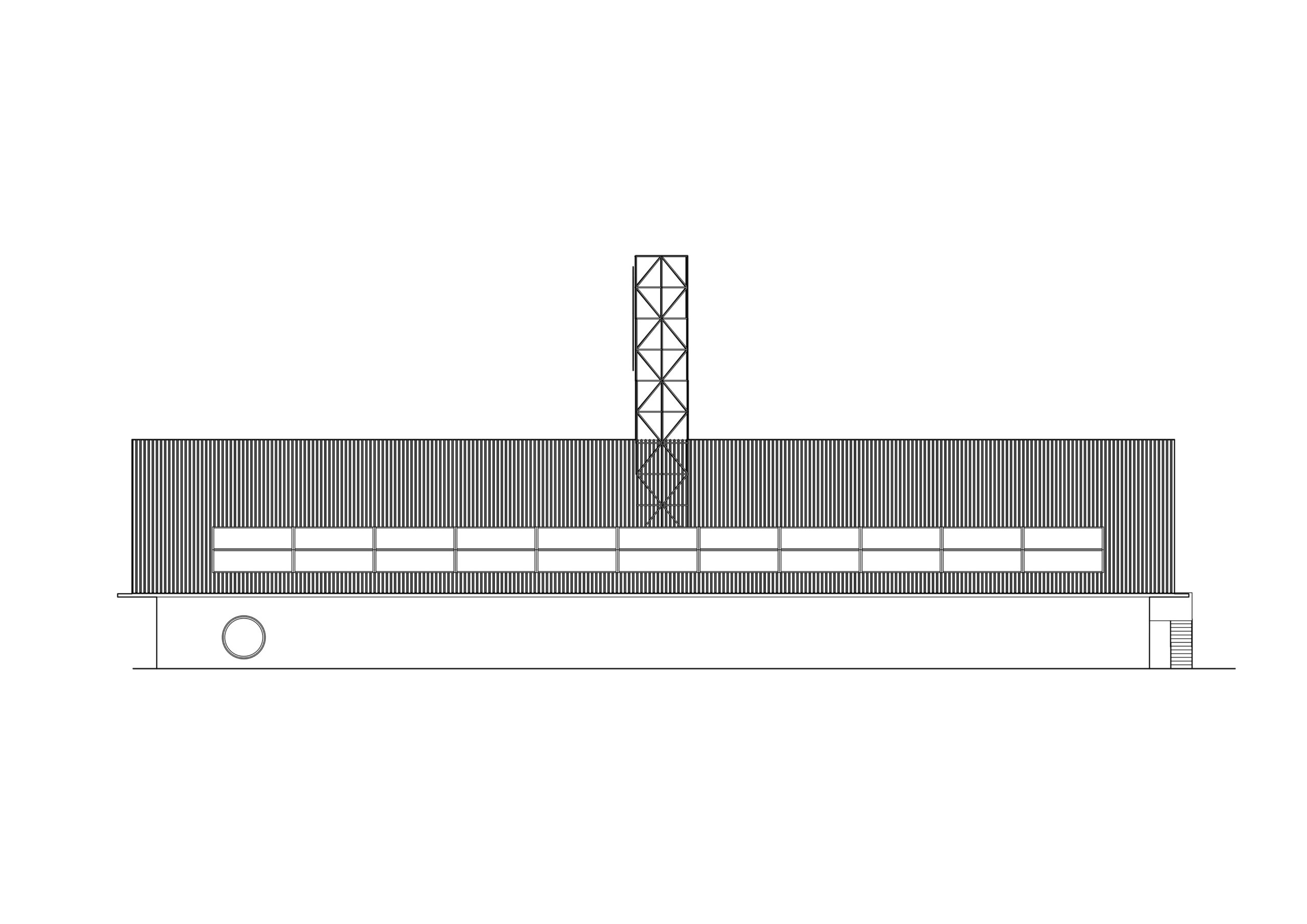
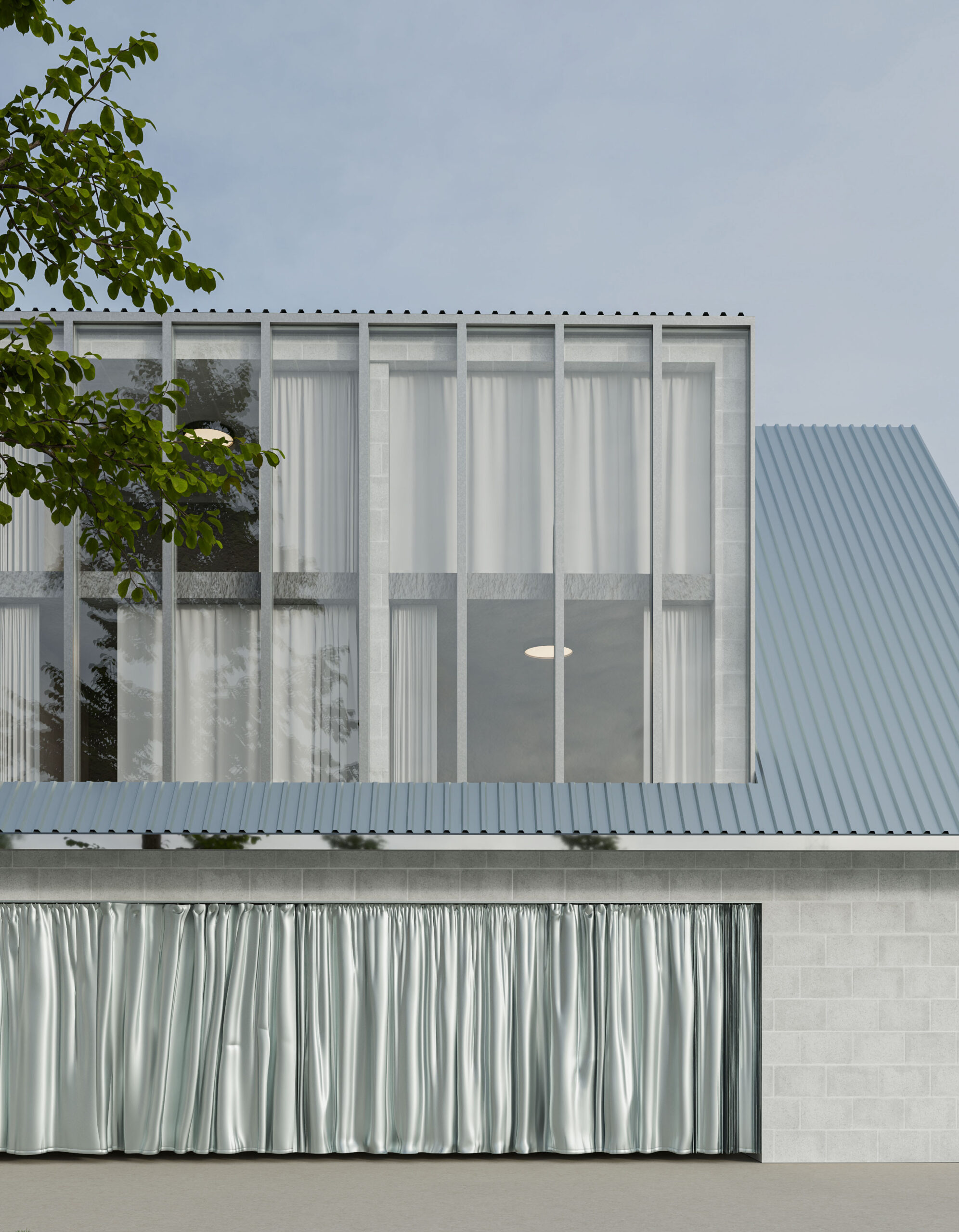
Stáj is a new building that naturally links the historic Stodola with the rest of the complex, while also creating an intimate separation from neighboring buildings, preserving the overall cohesion of the site. It contains a hotel and parking.
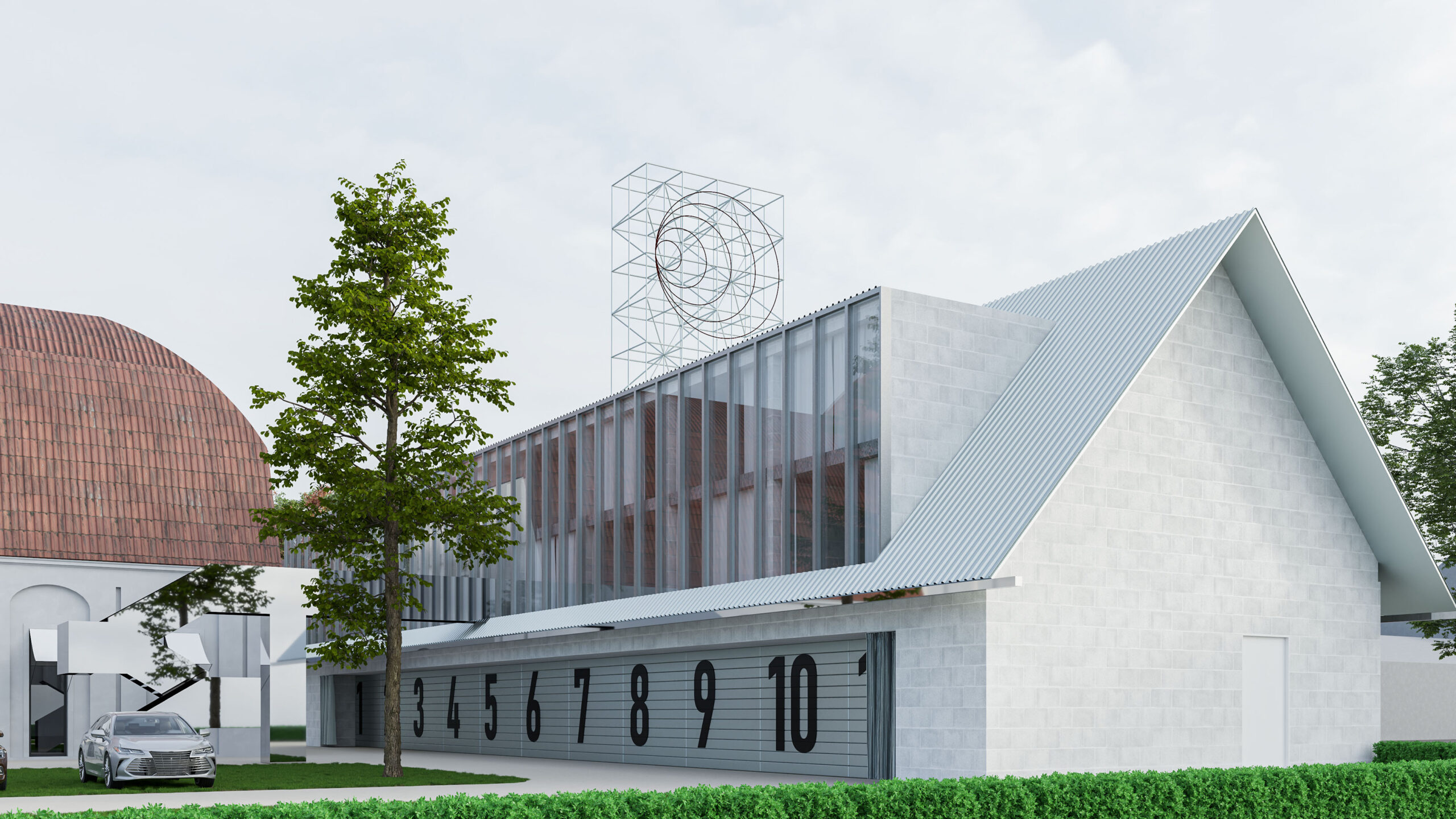
The ground floor is recessed, creating an open driveway for vehicles and a striking entrance feature. A central lantern, made of a metal structure and illuminated by bright neon at the upper level, serves as a landmark, visible from a great distance.
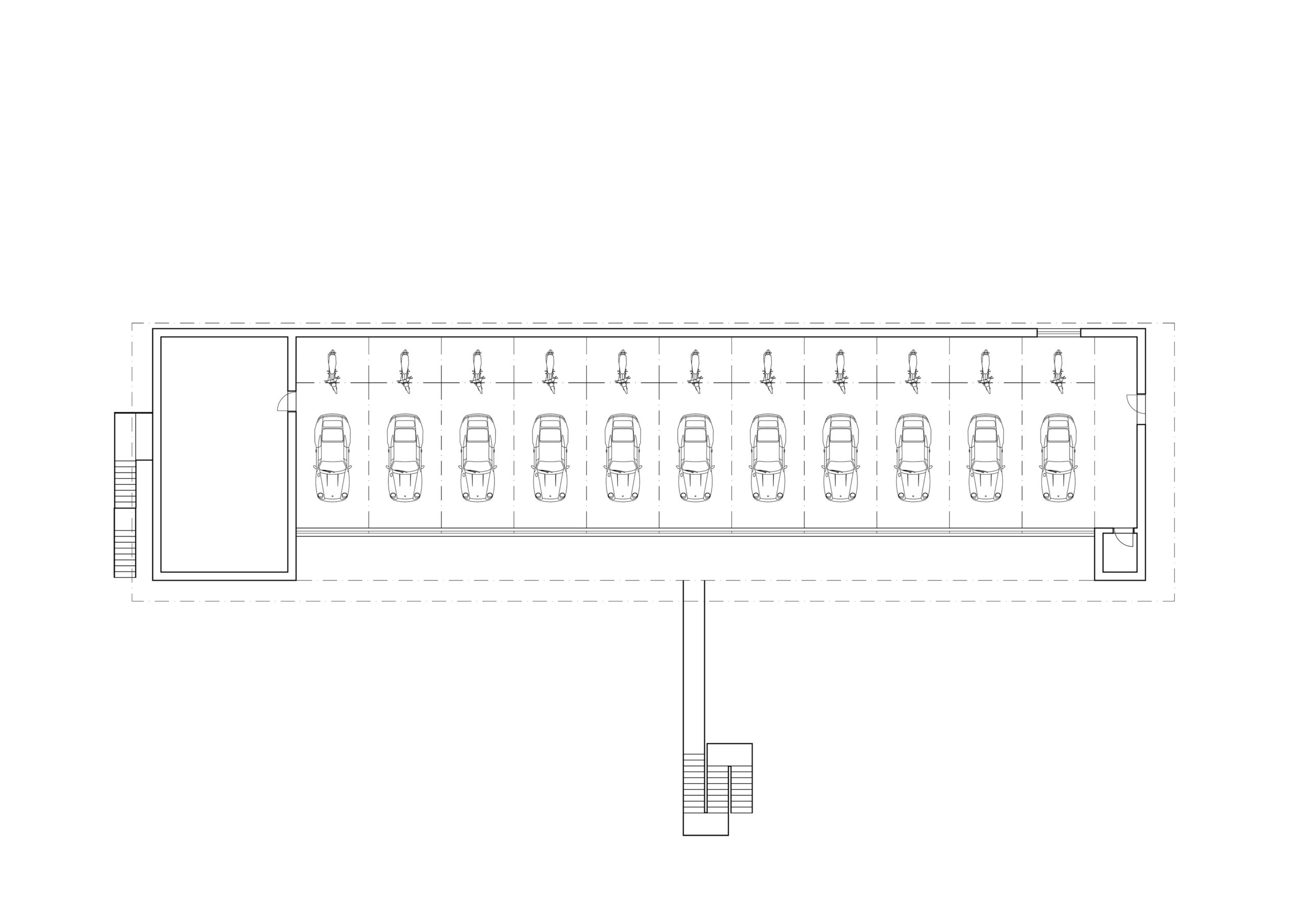
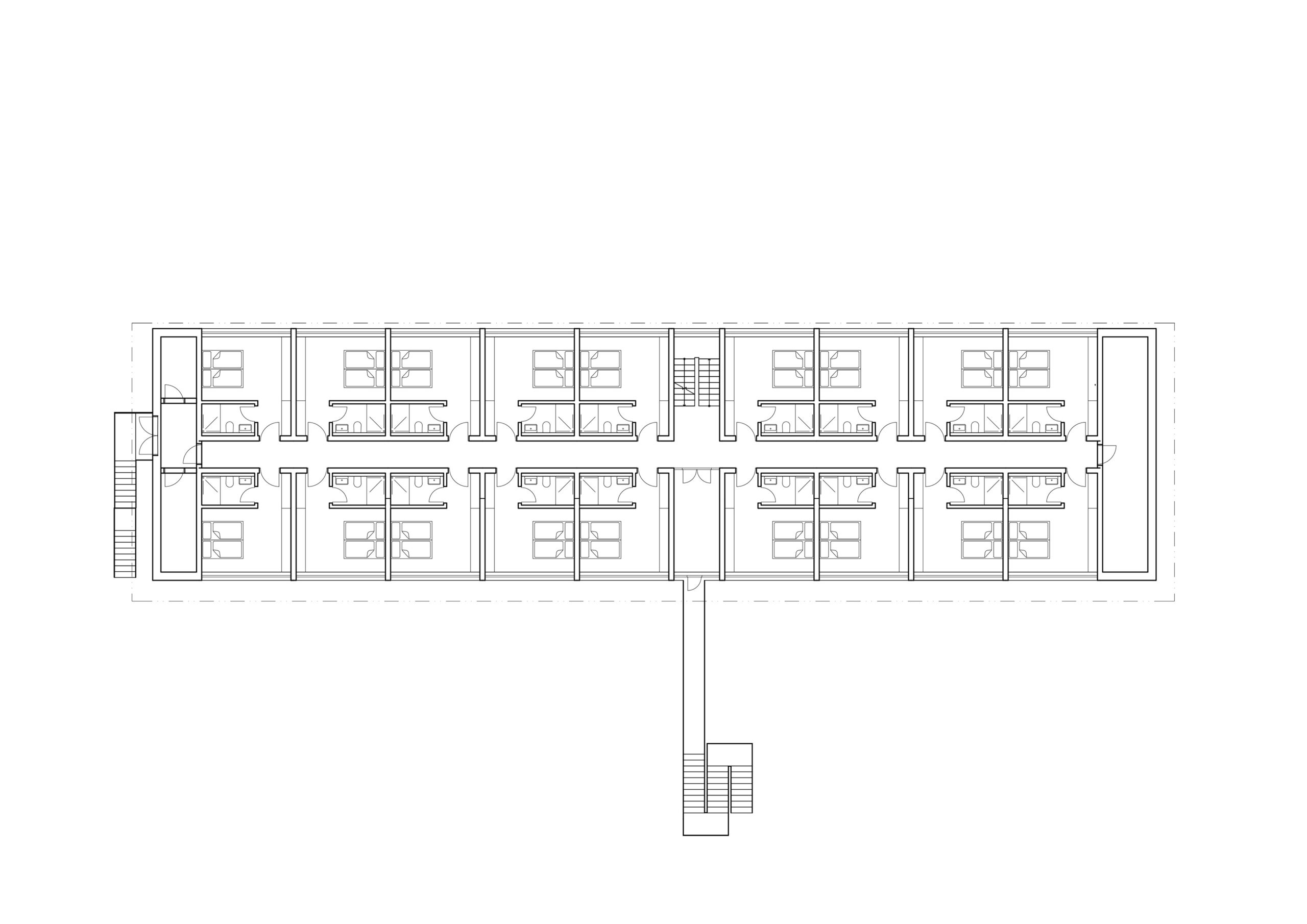
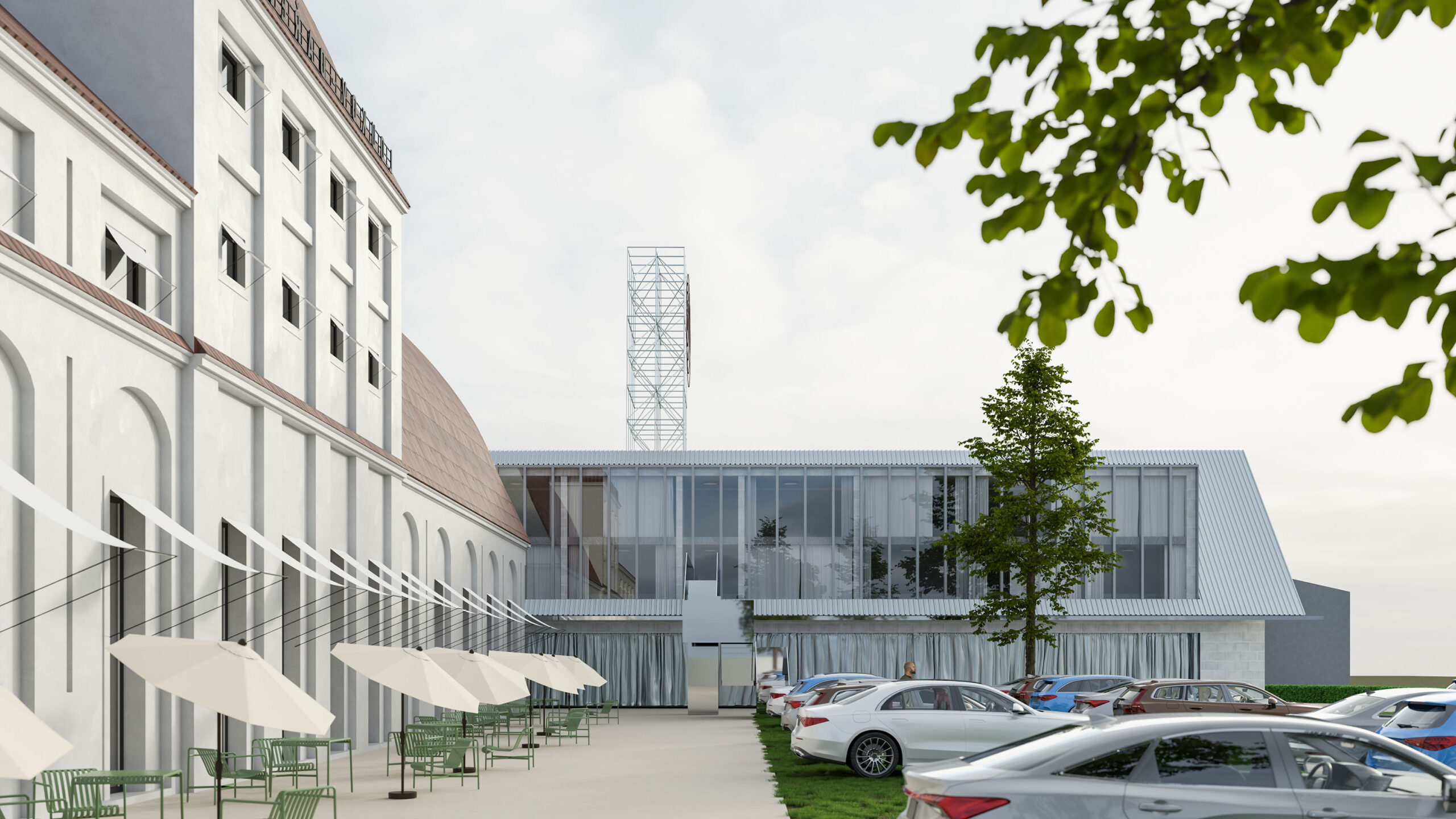
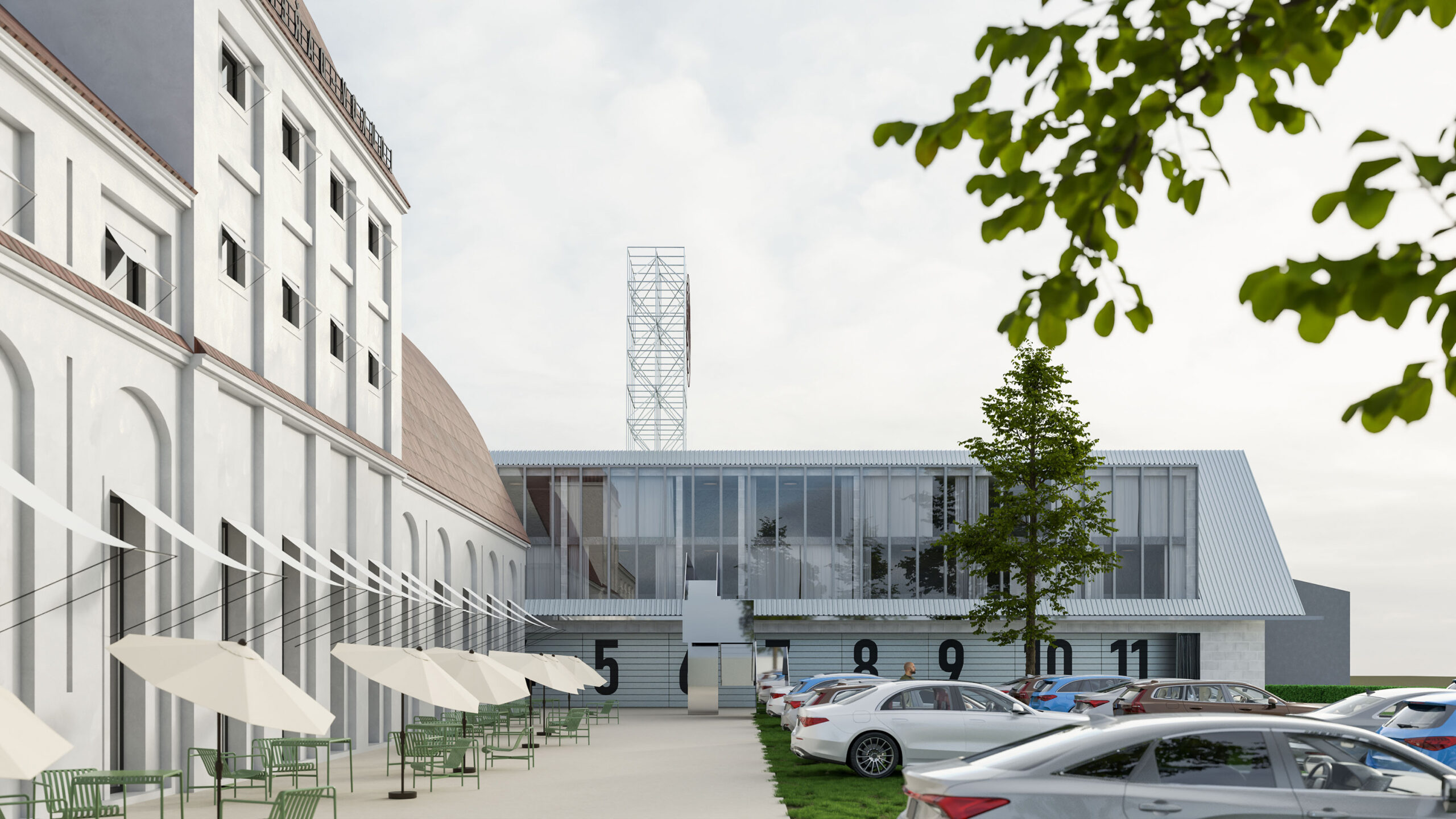
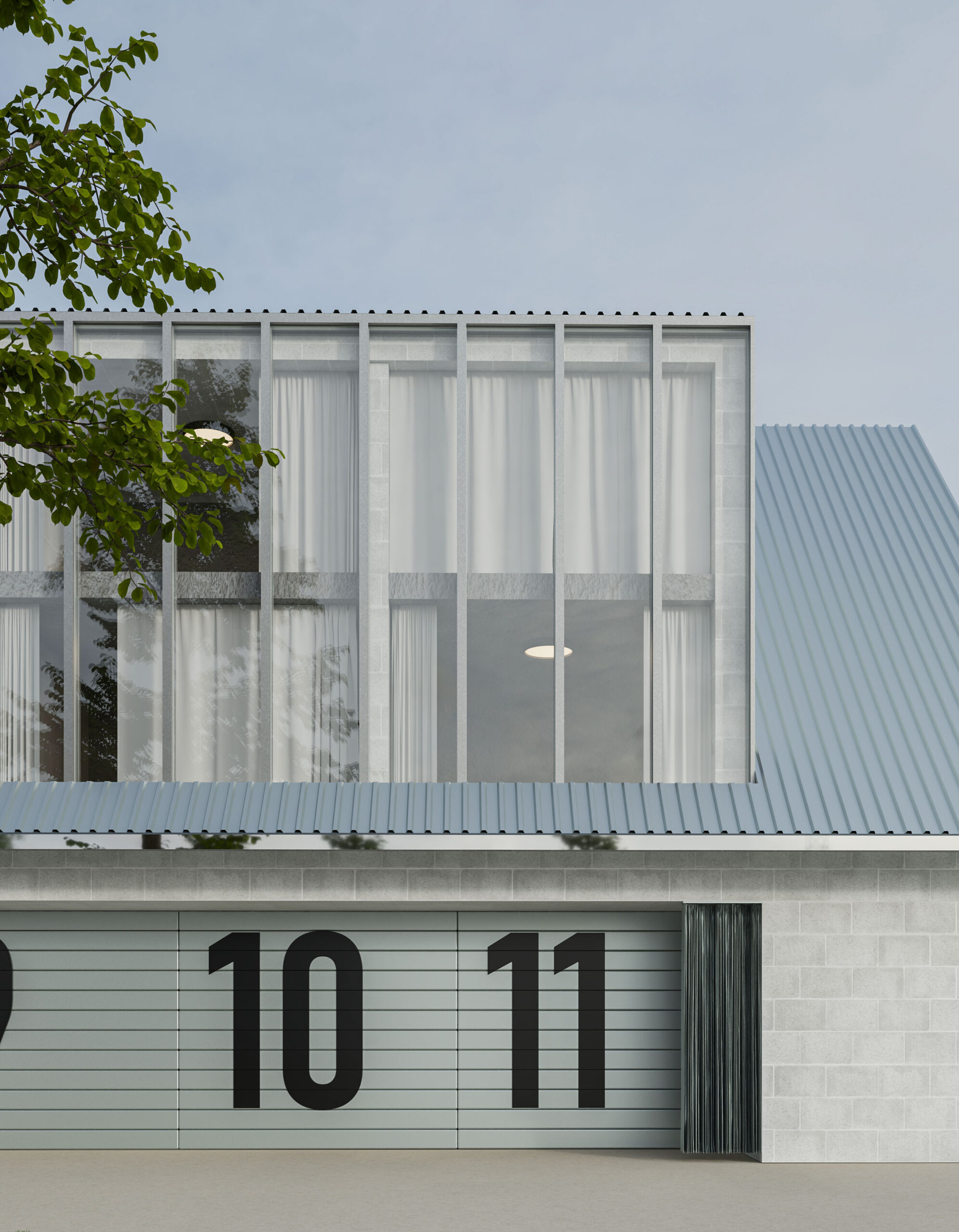
The area along the road can serve as parking or as a summer cinema, transforming in the evening into a space for screenings.