location: Suchdol, Prague, Czechia
client: Czech University of Life Sciences in Prague
civil engineering: mjölking s.r.o.
authors: Jan Mach, Tobiáš Hrabec, František Fiedler
client: Czech University of Life Sciences in Prague
civil engineering: mjölking s.r.o.
authors: Jan Mach, Tobiáš Hrabec, František Fiedler
The Lodge, Faculty of Forestry and Wood Sciences
At the Faculty of Forestry and Wood Sciences of the Czech University of Life Sciences in Prague, students prepare for careers as future gamekeepers, forest managers, wood specialists, nature conservationists, or landscape engineers. What unites all these fields is a shared mission — to care for the landscape, the forest, and wood as a sustainable material for the future. But we all know that university life is about more than lectures, exams, and lab work. The years spent on campus should give students the freedom to develop and grow beyond the boundaries of their study plans.
As graduates of the Faculty of Architecture in Liberec, we remember our own university years fondly. When we weren’t designing houses, squinting at drawings, or cramming for structural engineering exams, we organized our own lectures, workshops, and exhibitions — as well as lively parties and tournaments in floorball or ping-pong.
All this could happen because we had the space for it. Our school had a large open studio accessible twenty-four hours a day — a place originally intended for project work that naturally became our living environment, where our wildest ideas and plans could take shape.
The Faculty of Forestry and Wood Sciences has excellent classrooms, workshops, and laboratories — spaces precisely designed for specialized teaching. What the faculty had long been missing, however, was a place where students could spend their free time, meet within student societies, organize their own events, or hold the rehearsals of the Circle of Forest Horns.

One of the many missions of the faculty is to research and promote the use of wood as a sustainable material in construction. Across its range of study programs, students, teachers, and researchers work with wood from the seedling in the forest all the way to wooden structures and their behavior within a building.
Although the situation is slowly changing and our European neighbors are already boldly building schools, offices, and even high-rise buildings for culture and housing out of wood, in the Czech Republic a certain cautious skepticism still prevails. For many, the term wooden building still evokes a cottage or, at best, a family house — one where all the wood is hidden under layers of plasterboard and insulation.
But wood-processing technologies have advanced enormously over the past decades, and building with wood today no longer means just beams, posts, and log walls. Through precise machining and strong bonding, large BSH beams and CLT panels are produced, easily spanning the distances required for public buildings.
But wood-processing technologies have advanced enormously over the past decades, and building with wood today no longer means just beams, posts, and log walls. Through precise machining and strong bonding, large BSH beams and CLT panels are produced, easily spanning the distances required for public buildings.
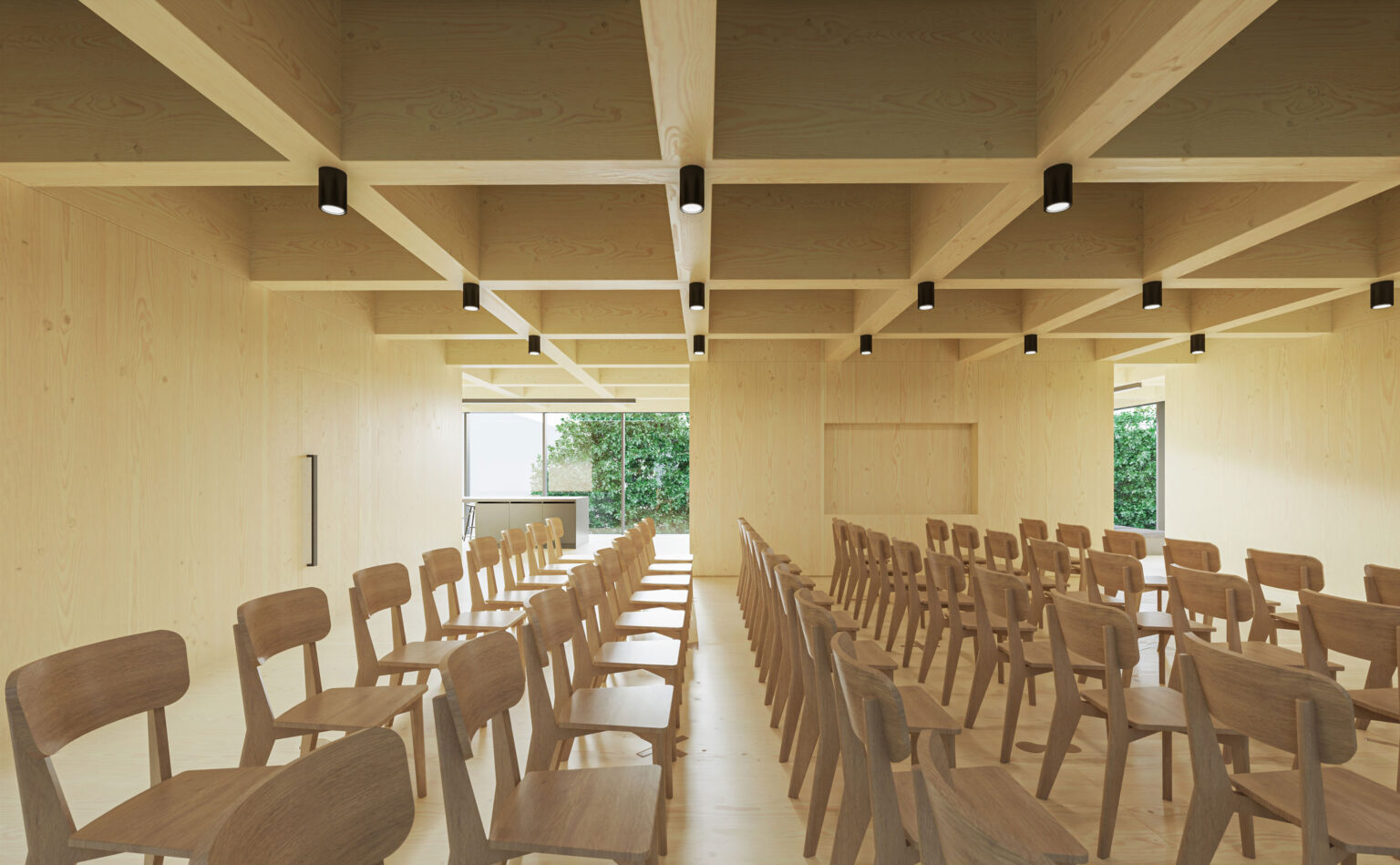
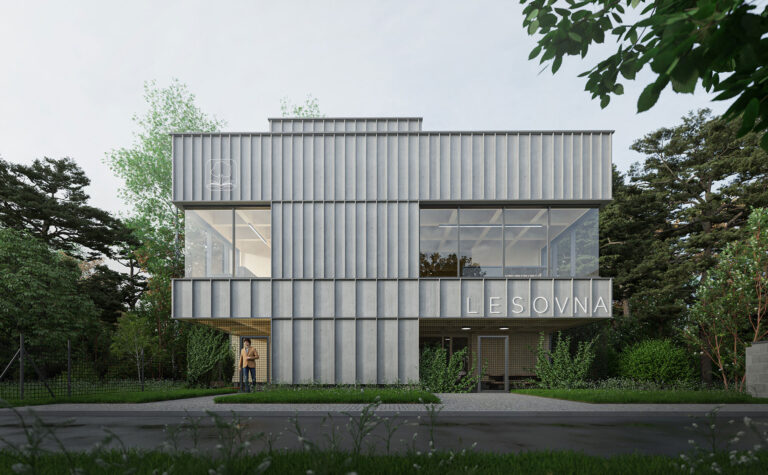
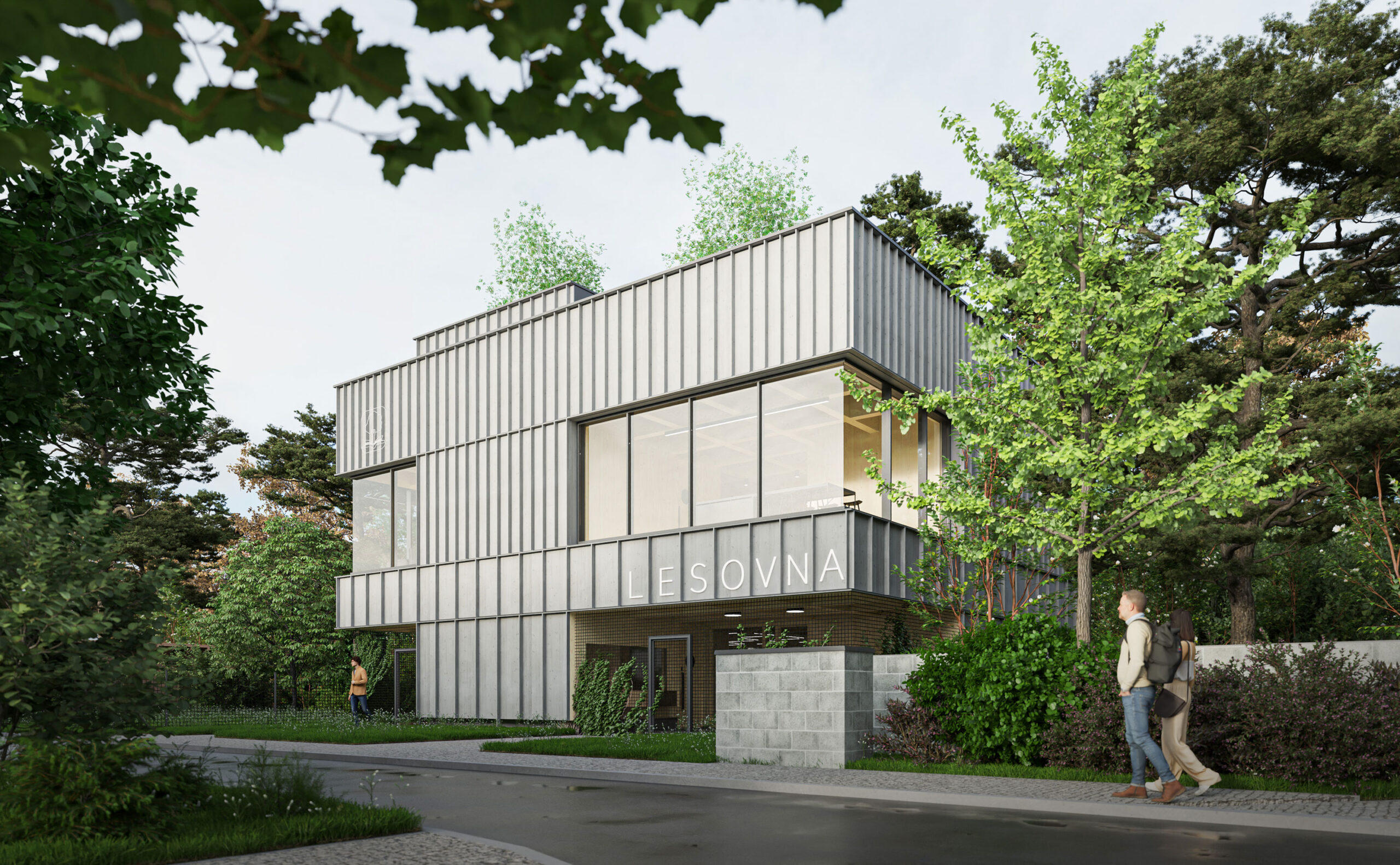
That’s where the idea for The Lodge (Lesovna) came from. It brings together two ambitions: to give students a shared space for everyday life, and to show what wood as a contemporary material can do. The faculty took on both roles — client and builder — while forest partners donated the timber for the structure.
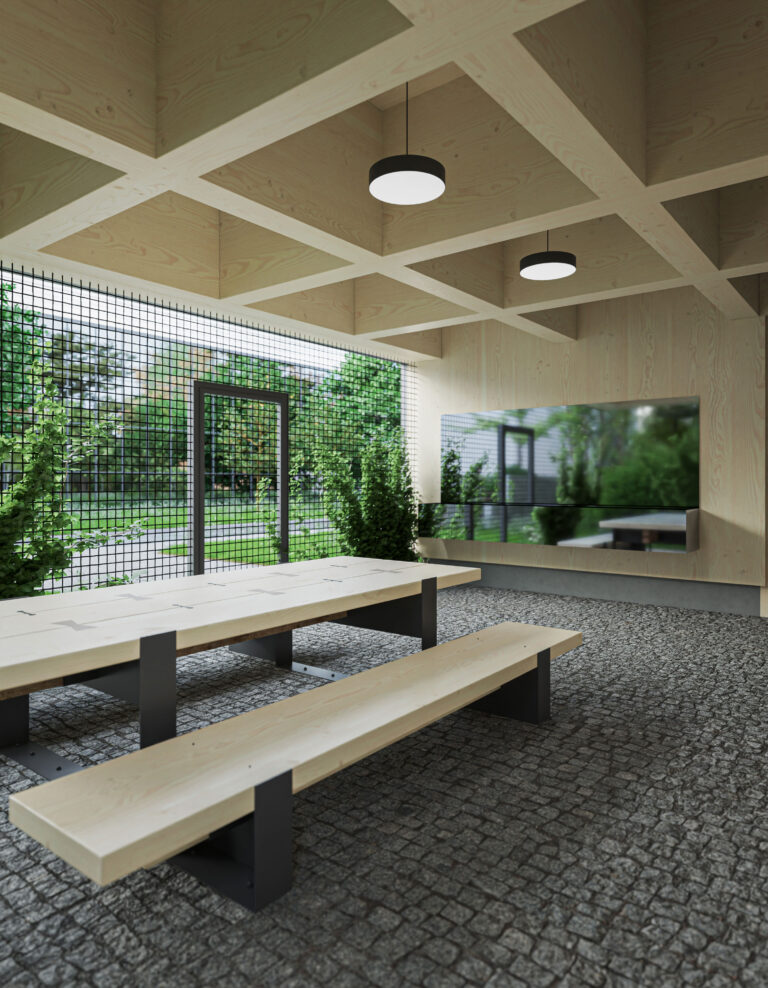
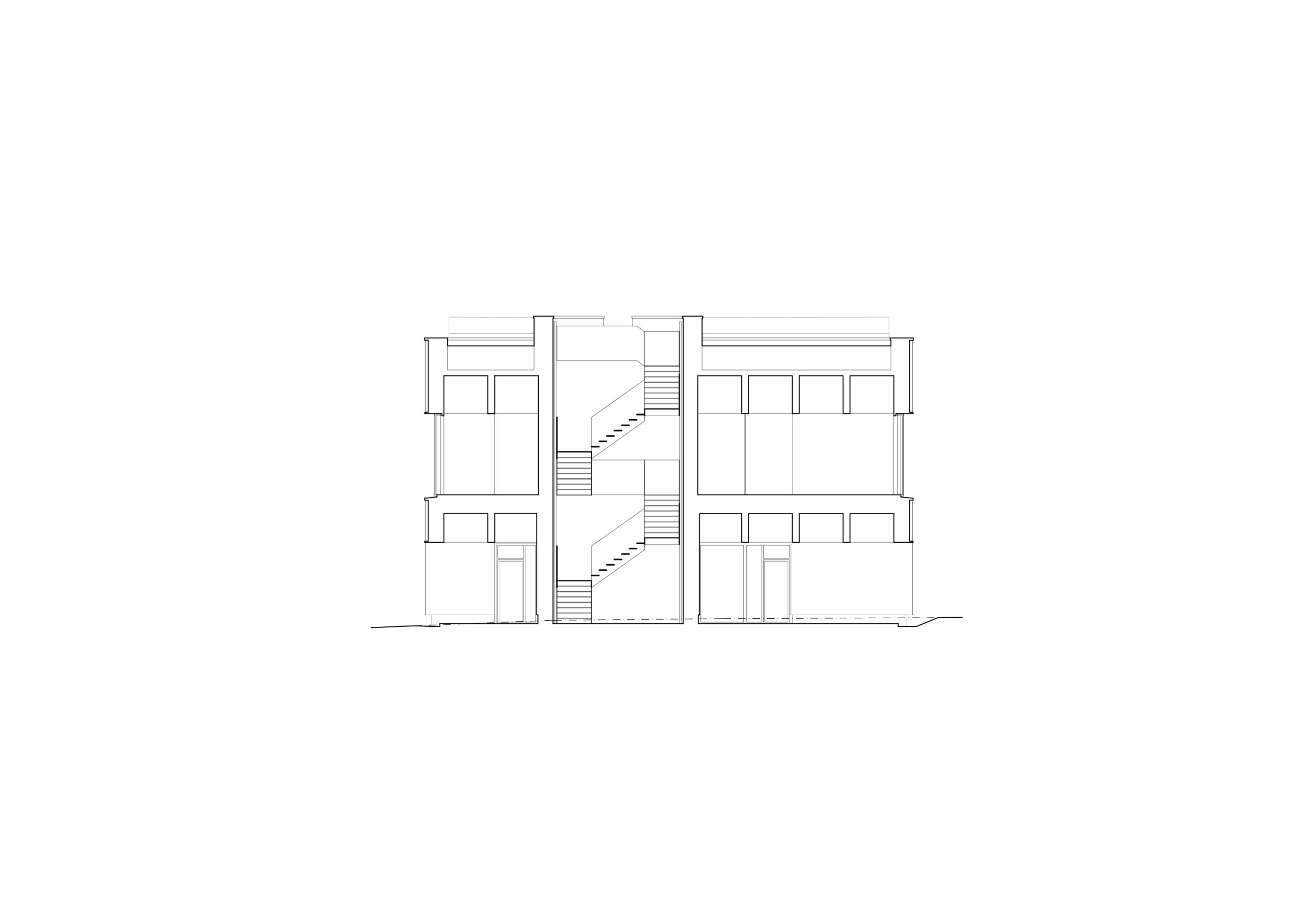
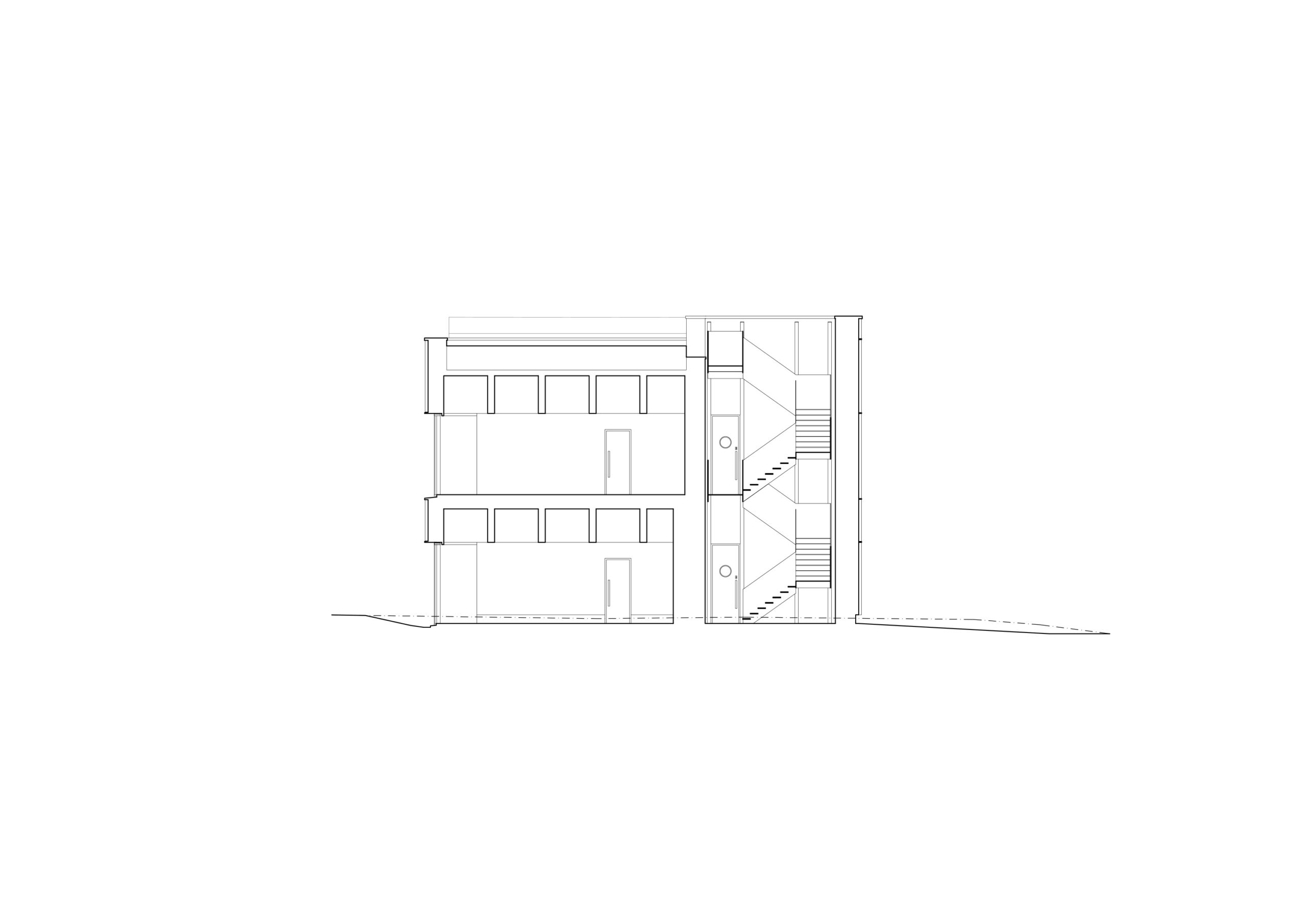
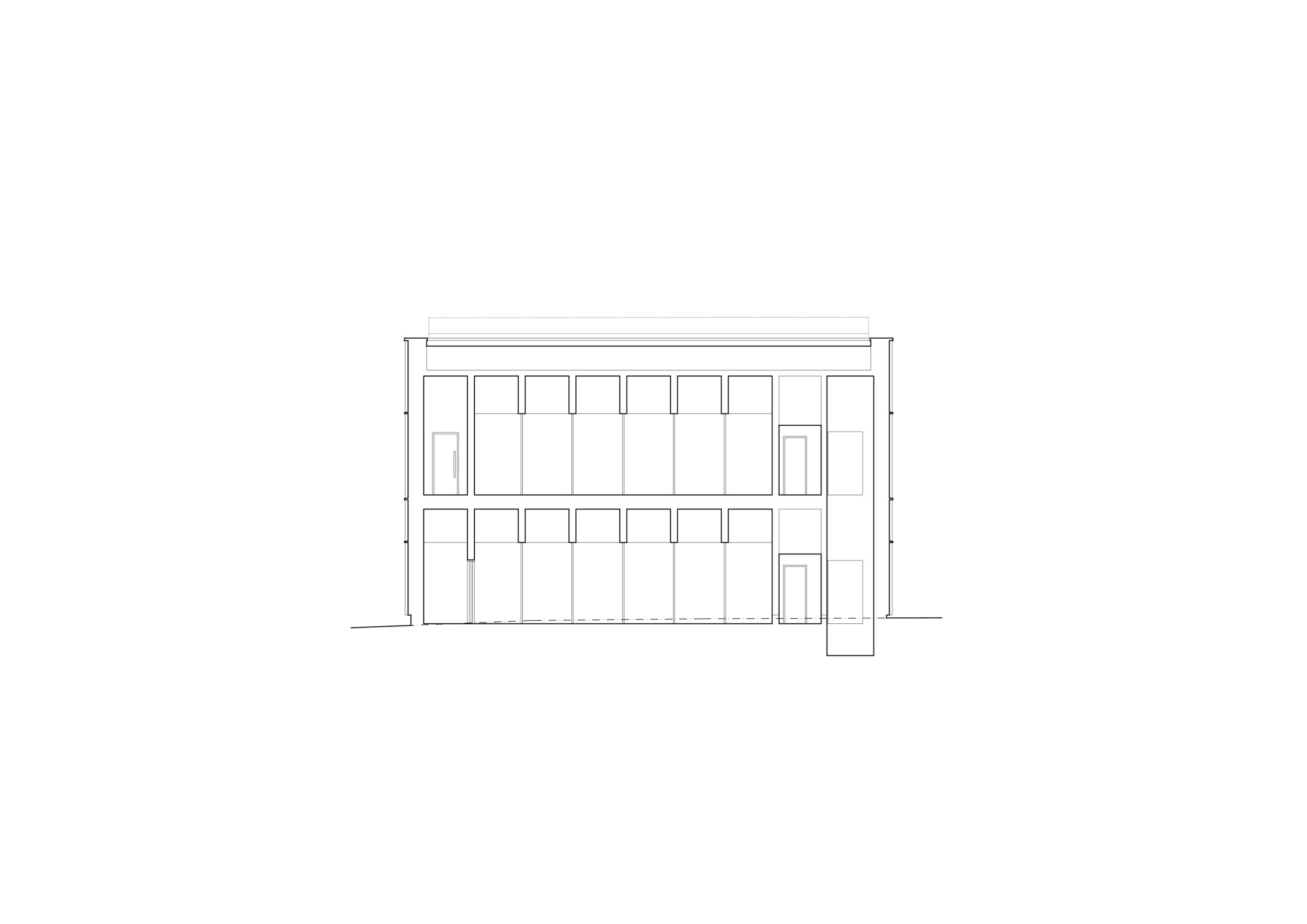
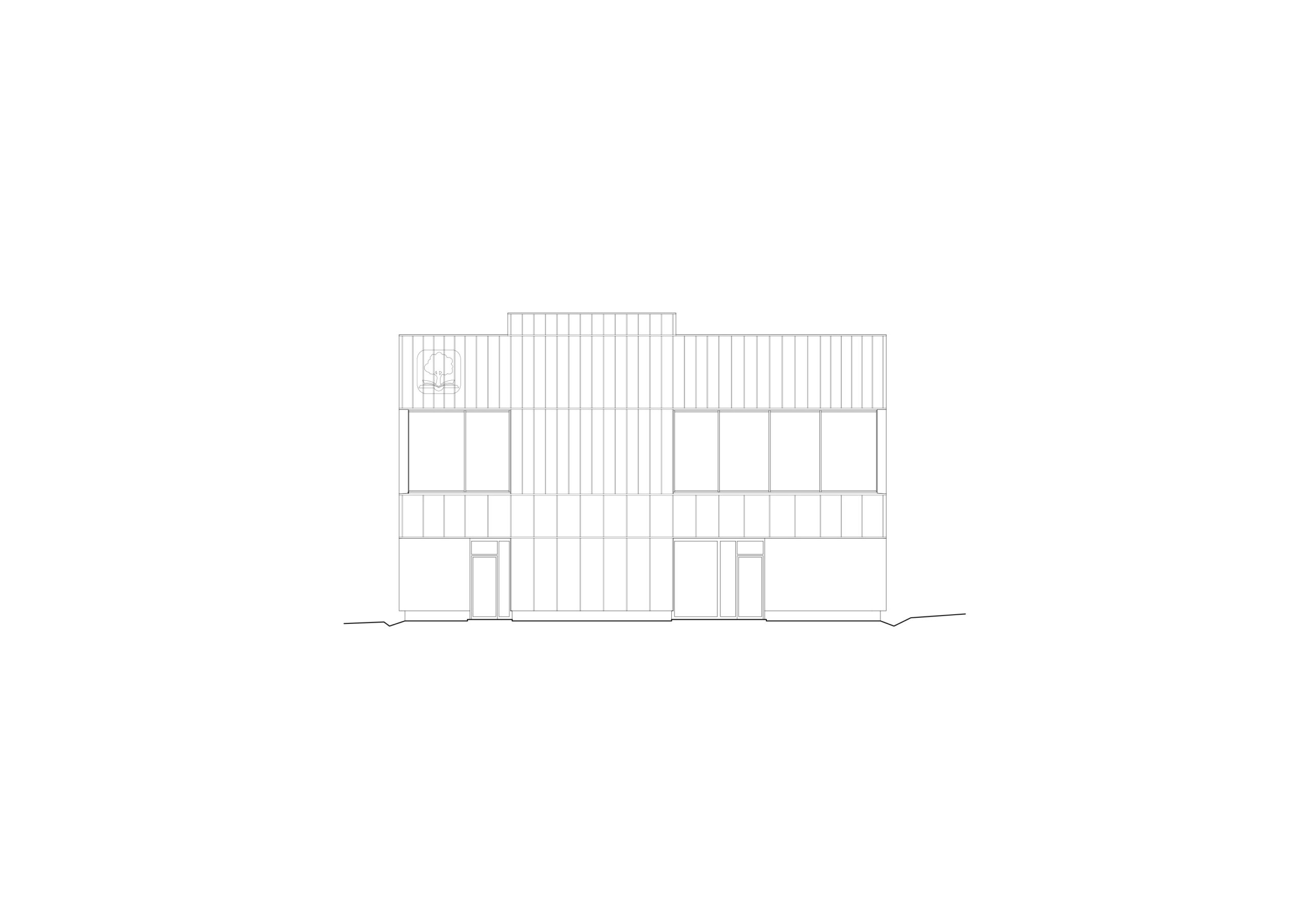
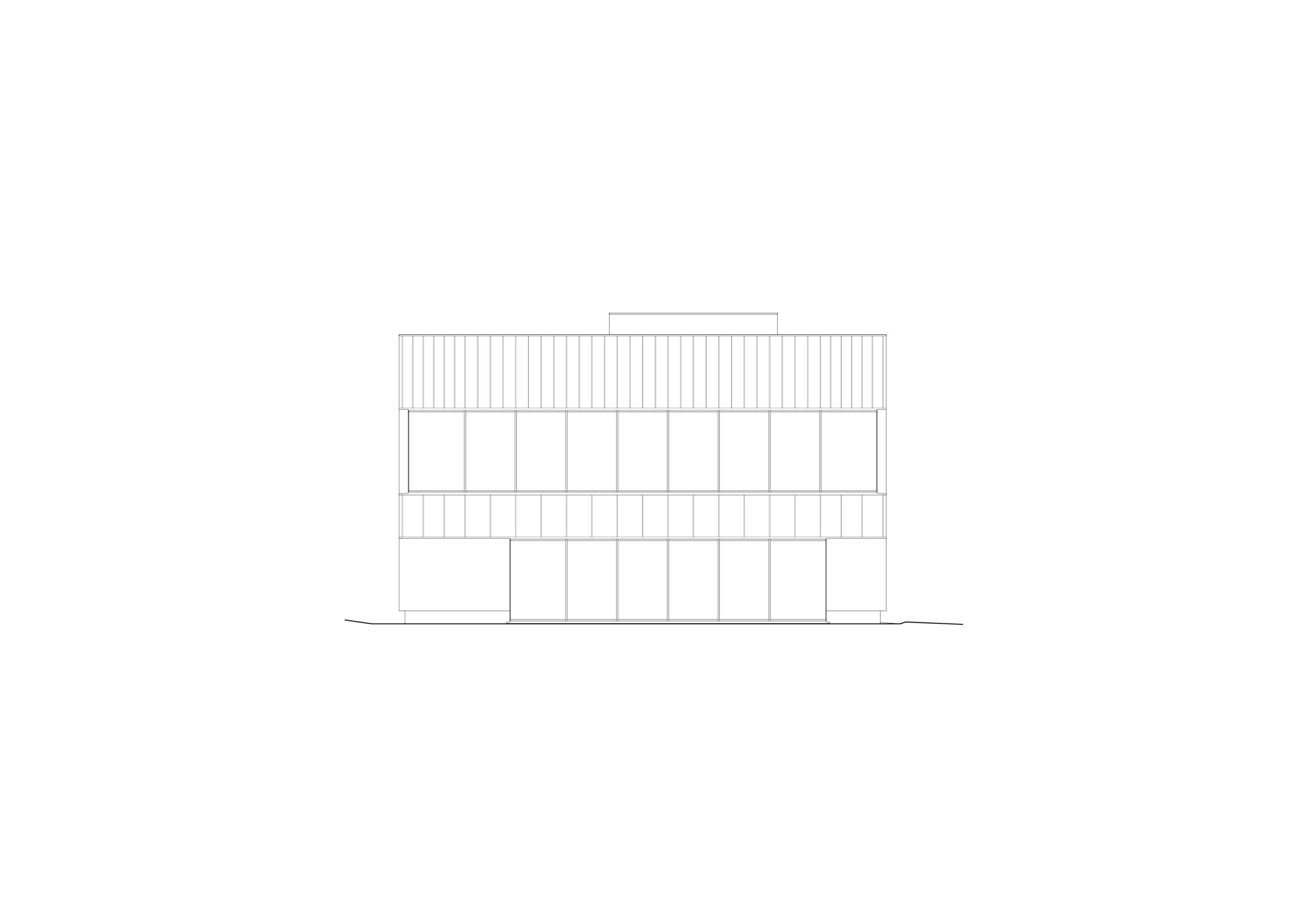
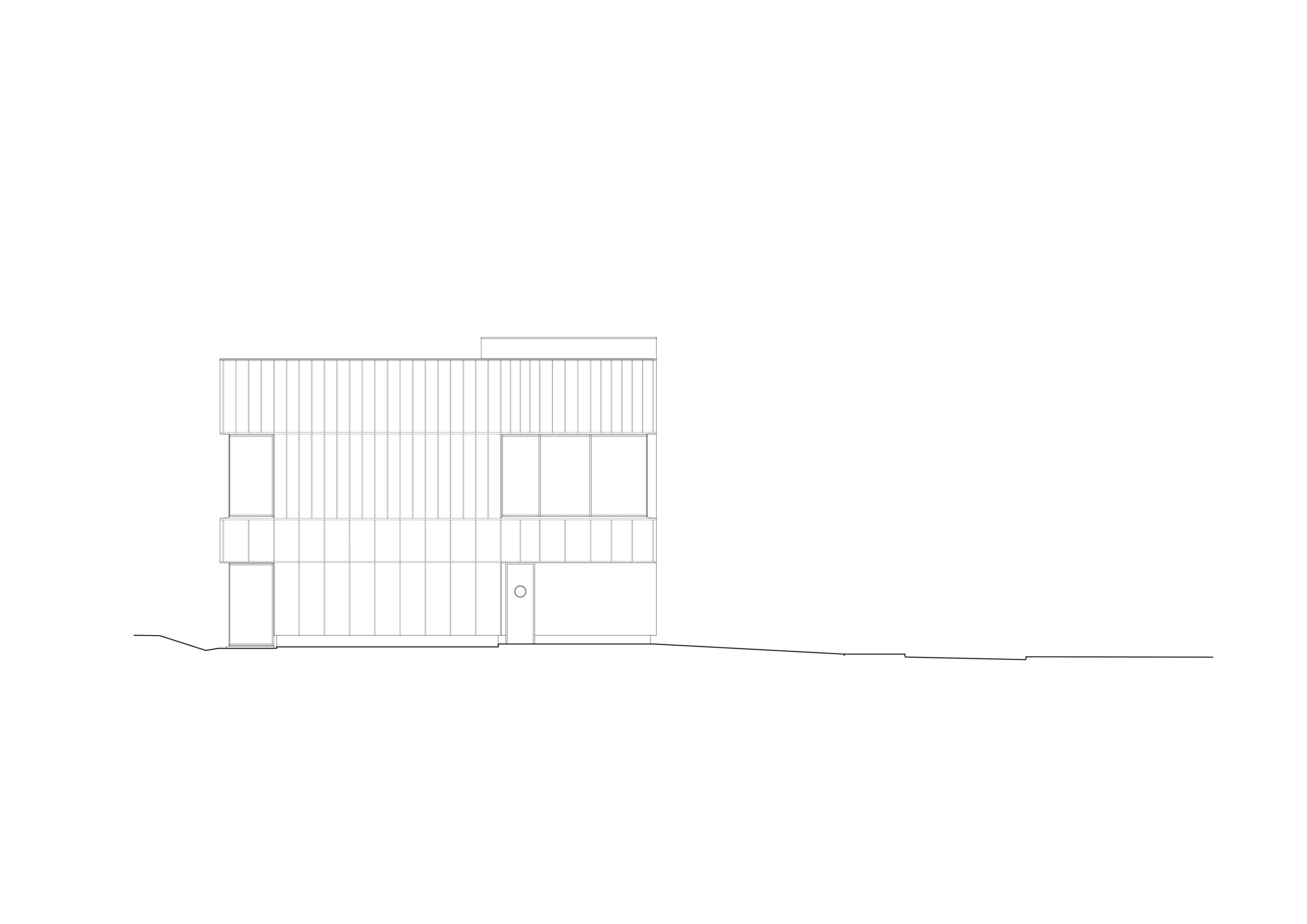
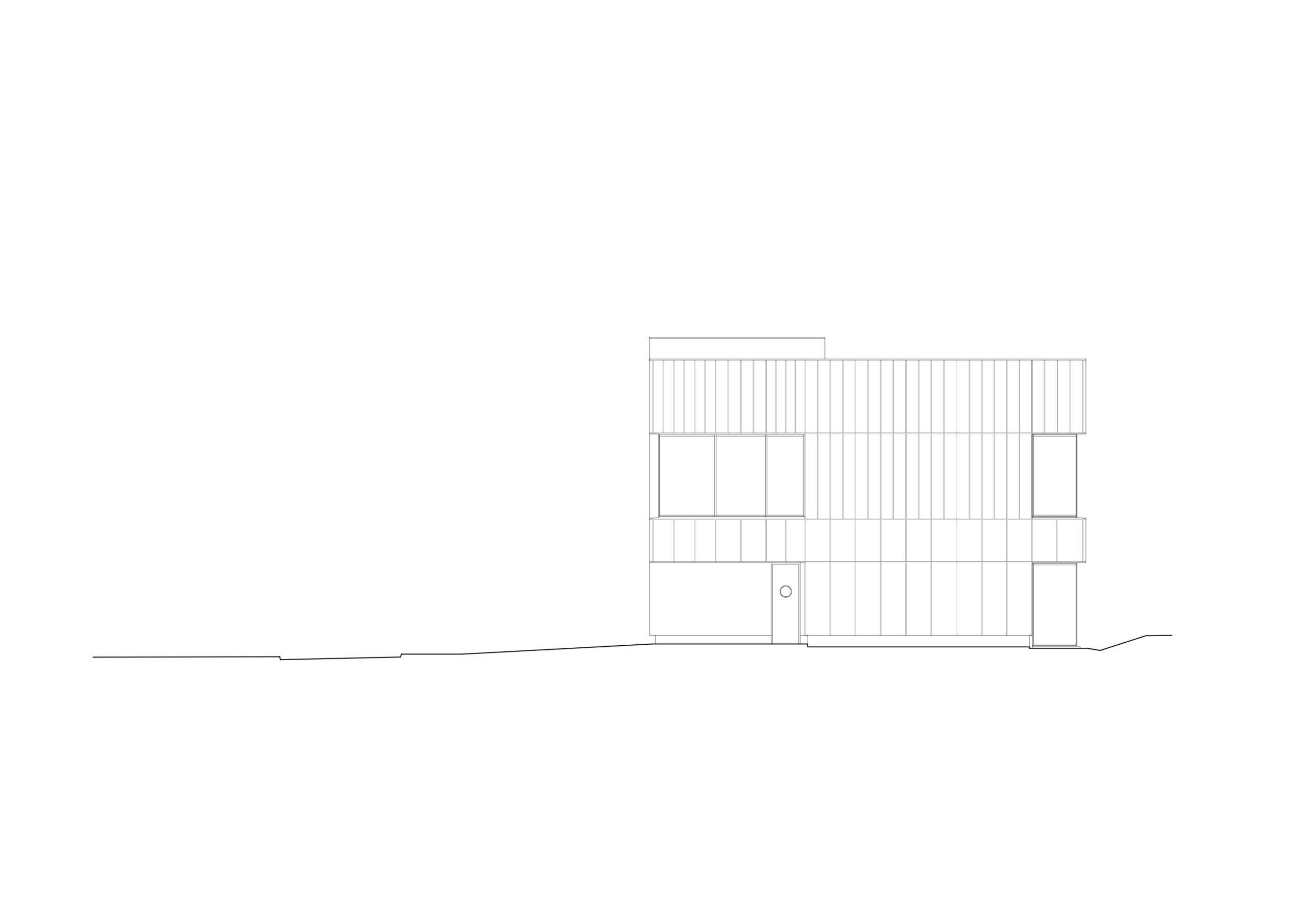
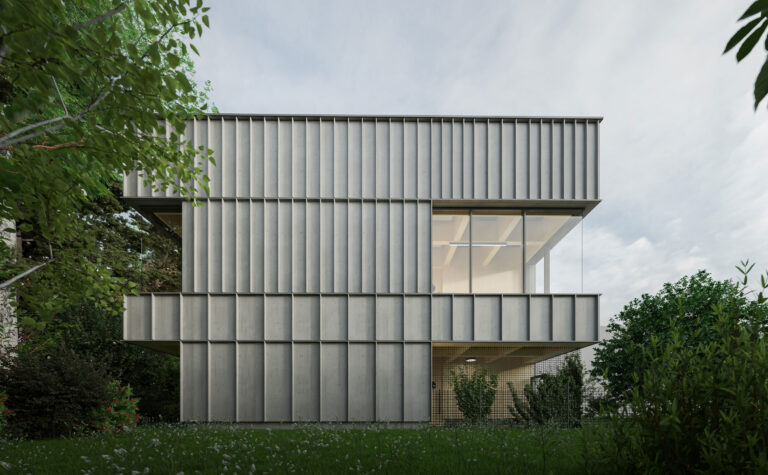
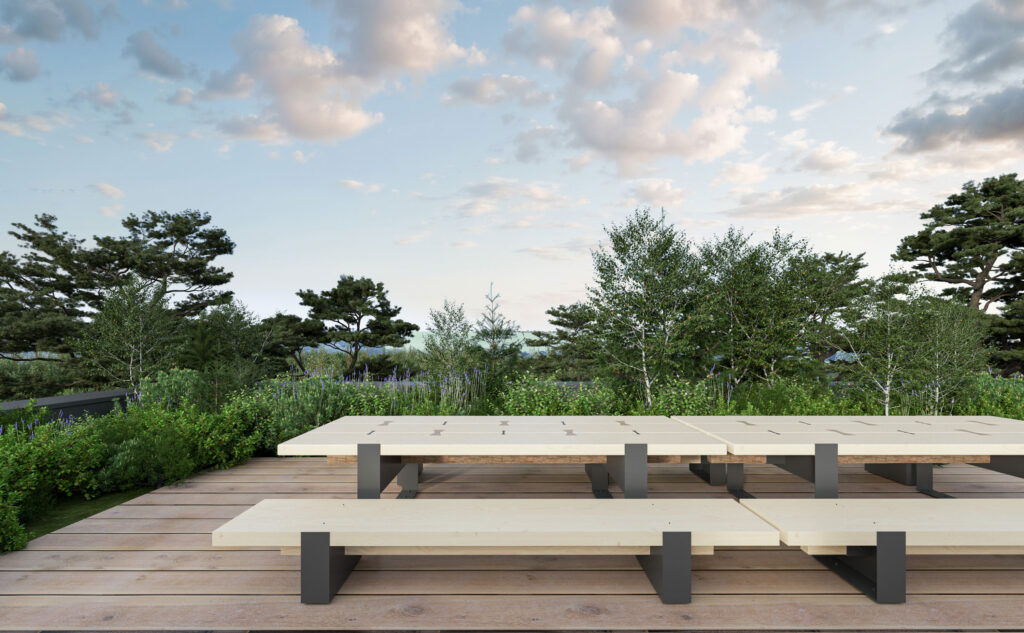
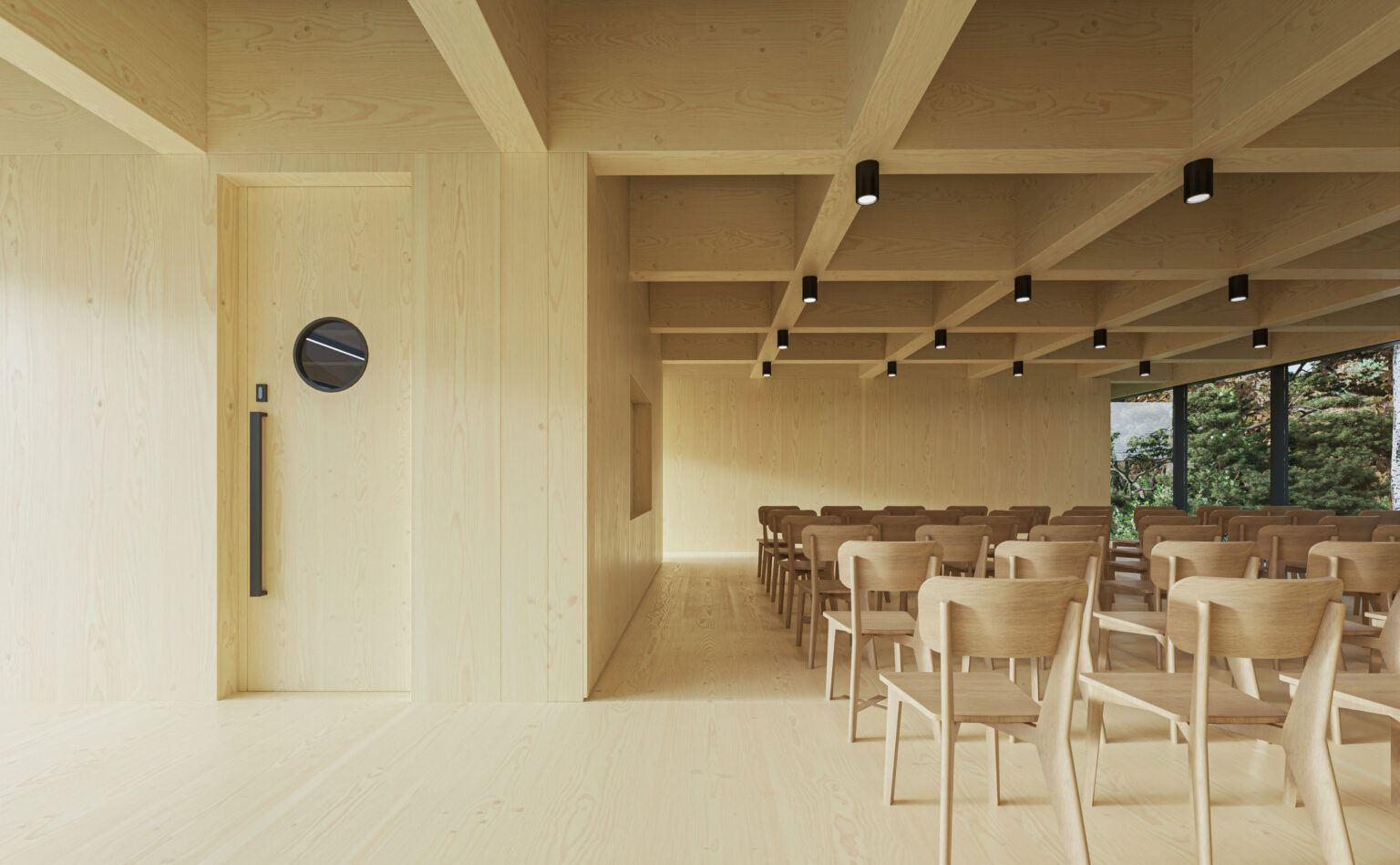
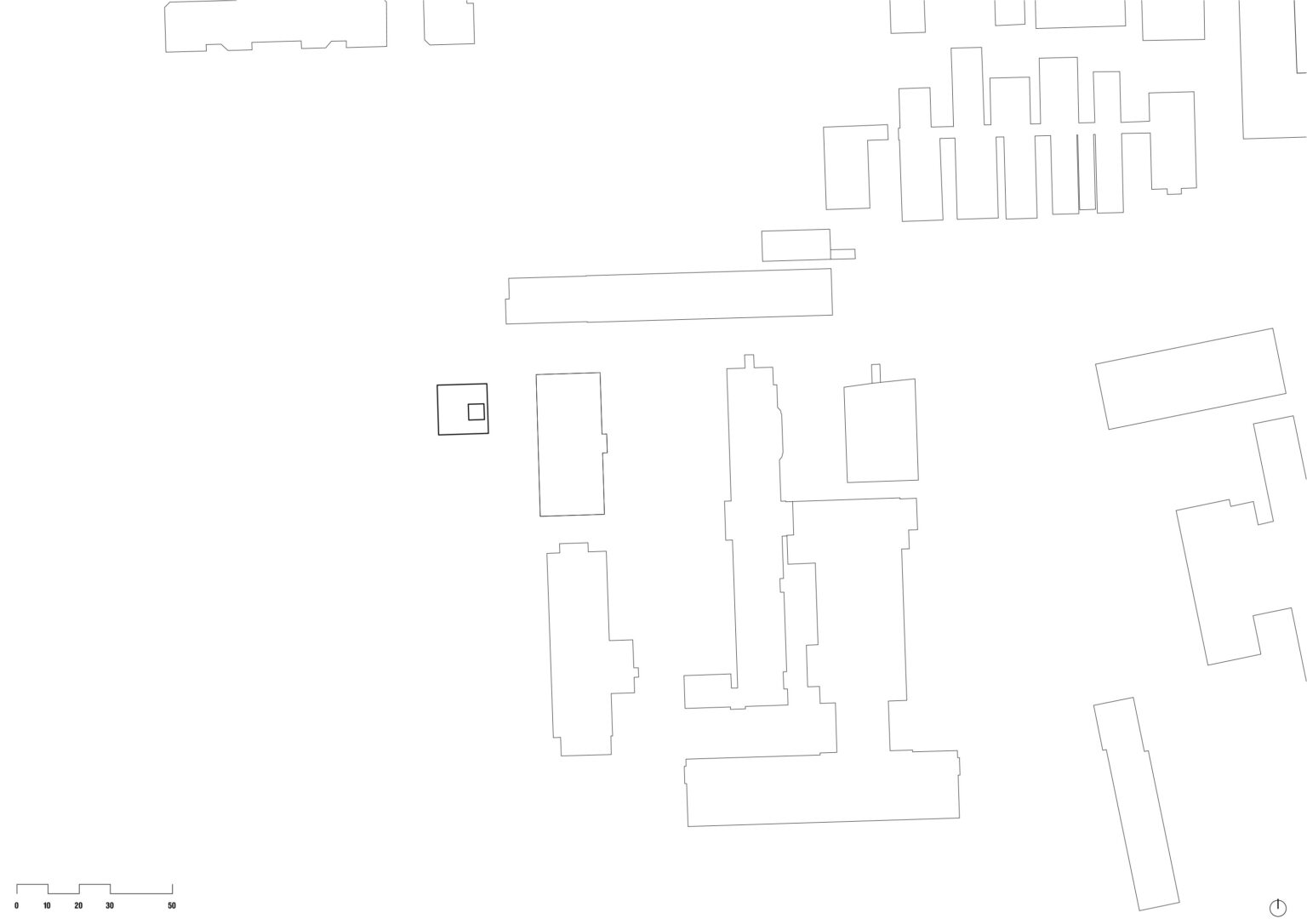
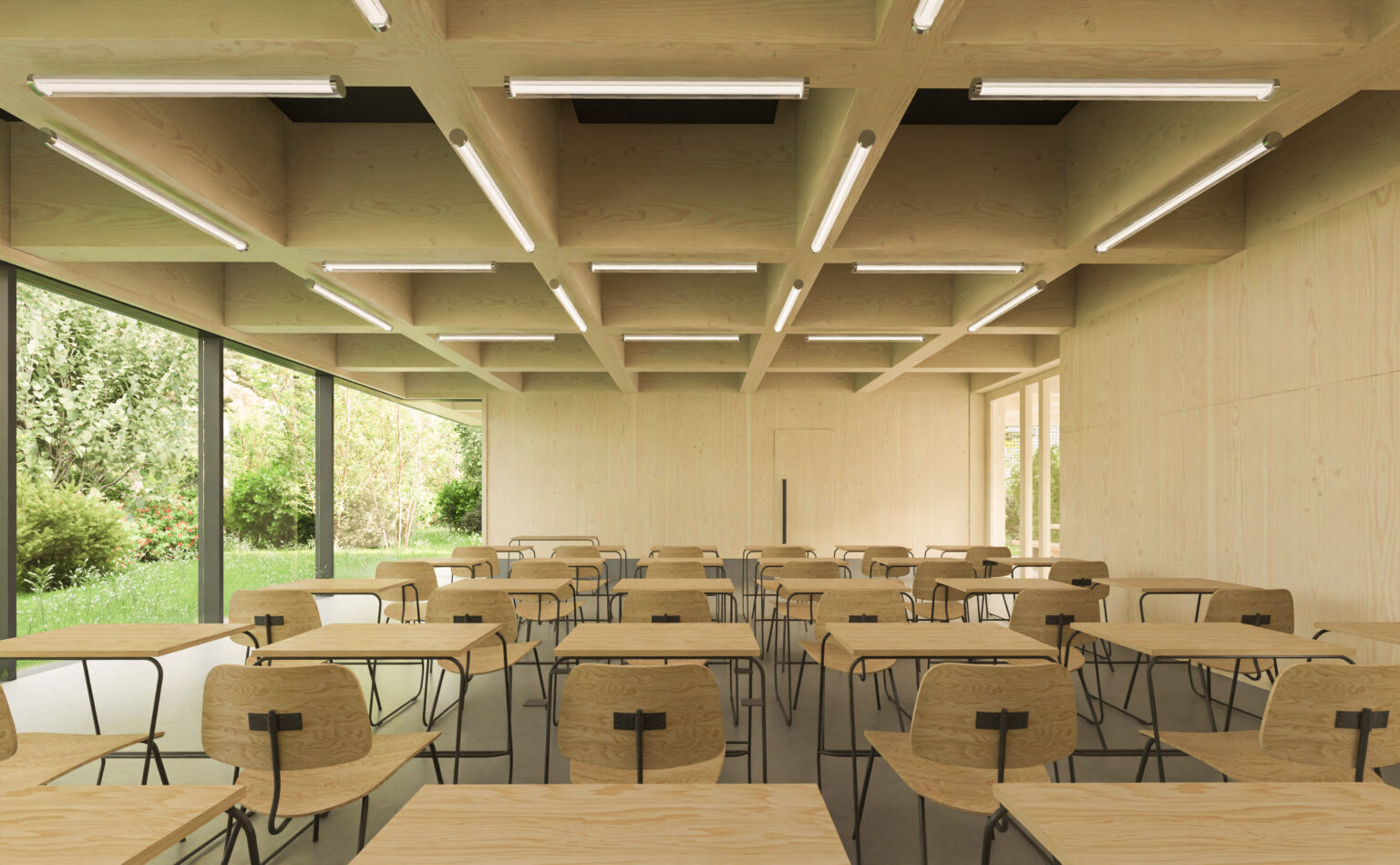
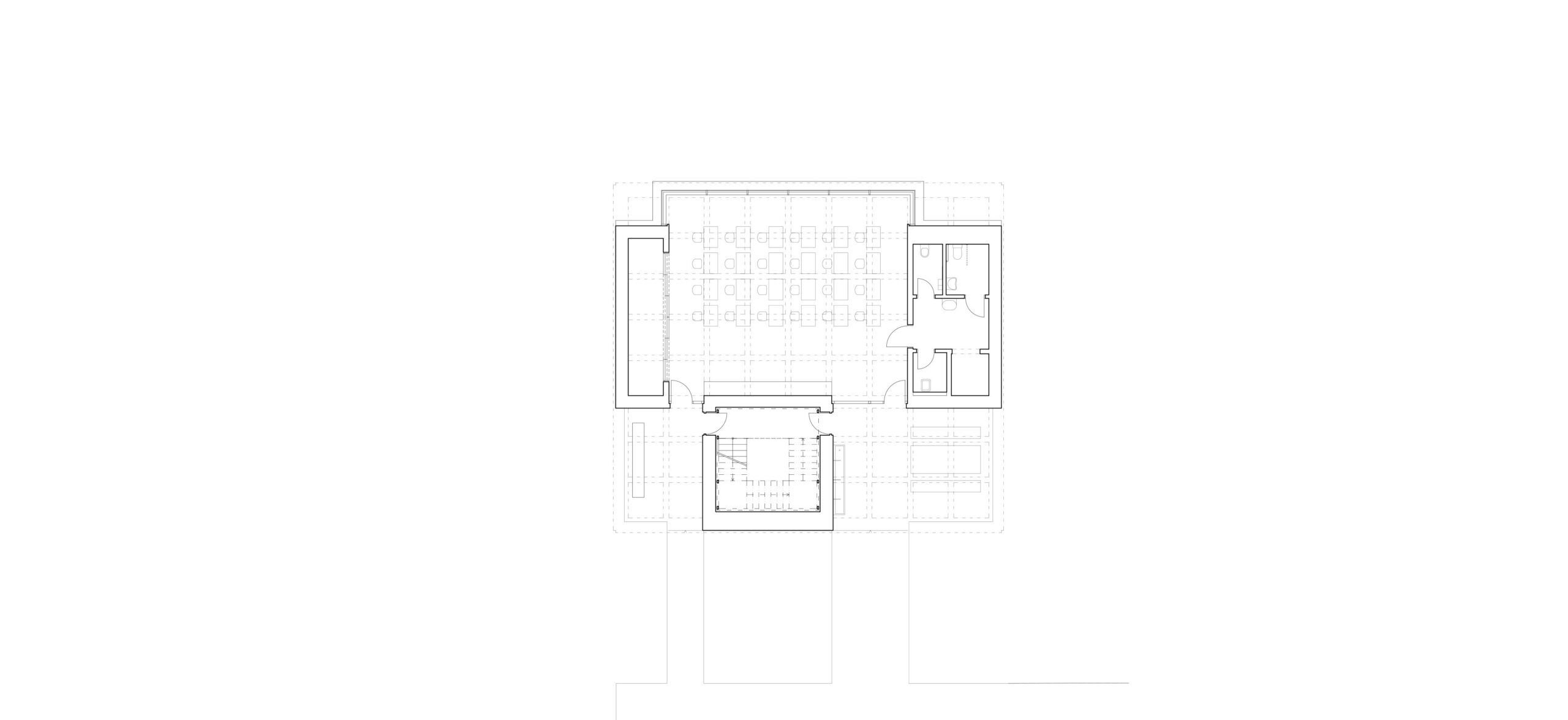
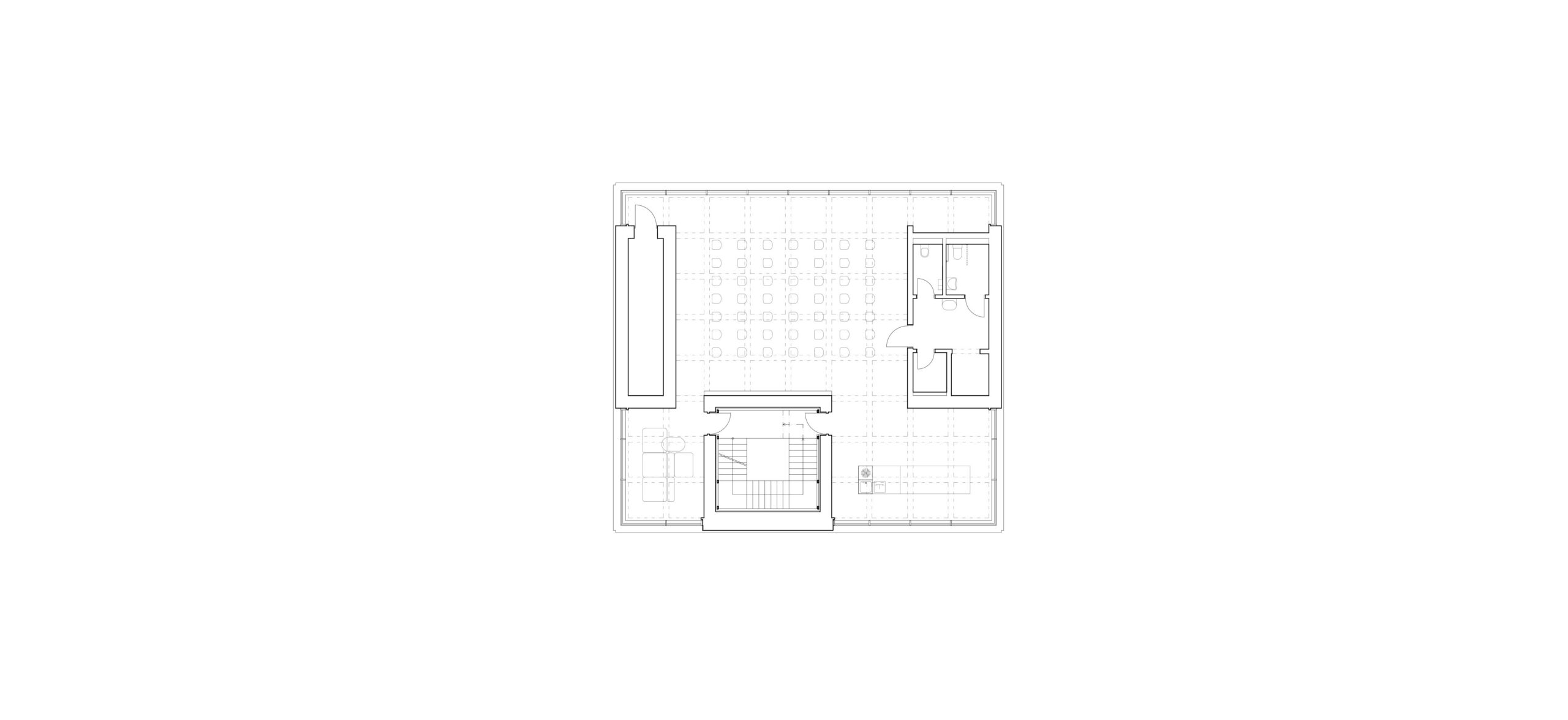
Over the coming year, a new wooden building will rise on the Suchdol campus — a house that proudly shows its material. Most of the structural elements will remain visible, from the CLT wall panels to the latticed BSH beams. The ground floor will house a classroom; the upper floor, a student club. Business below, party above. Covered outdoor areas and a rooftop terrace will connect the building with the surrounding Libosad garden.
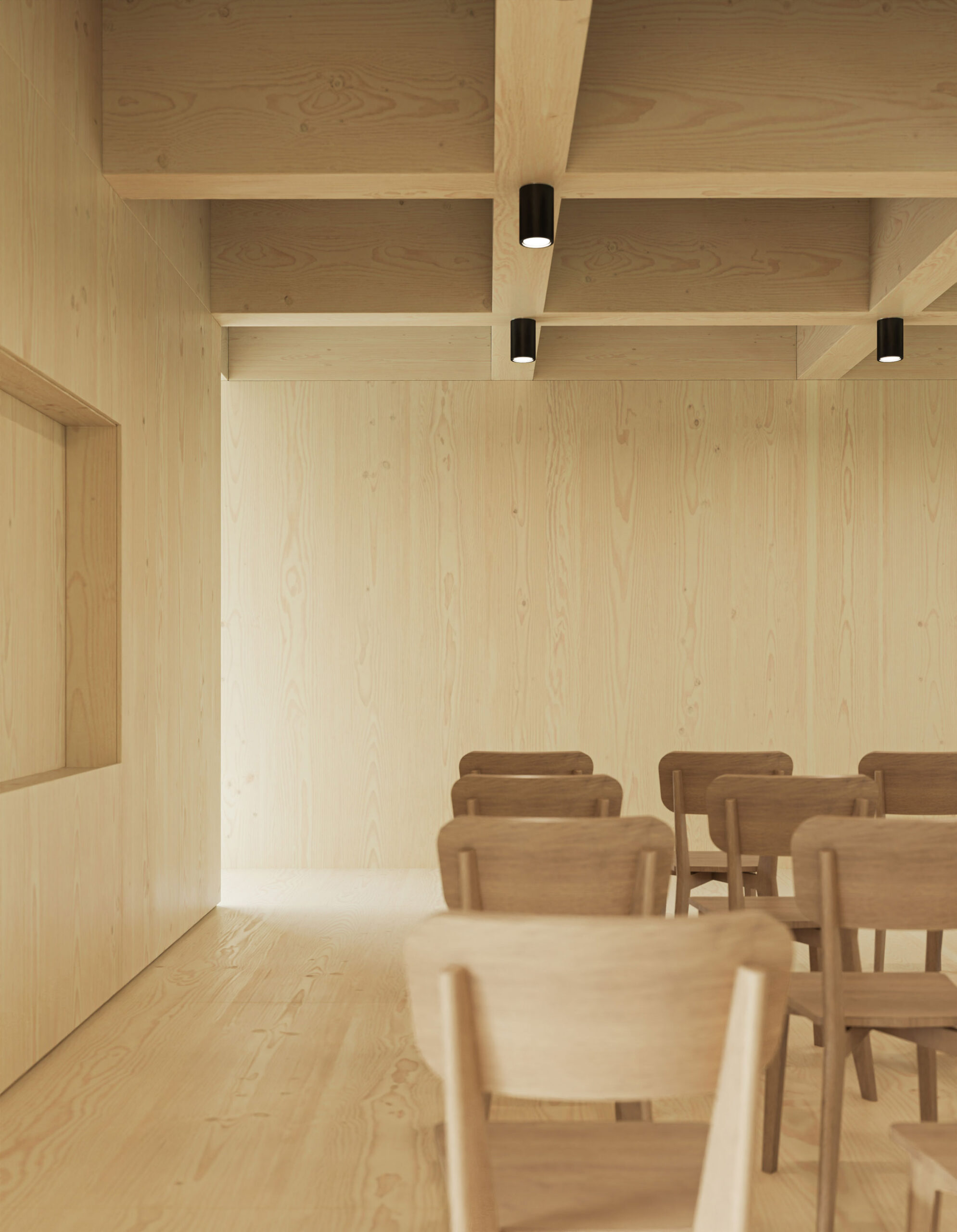
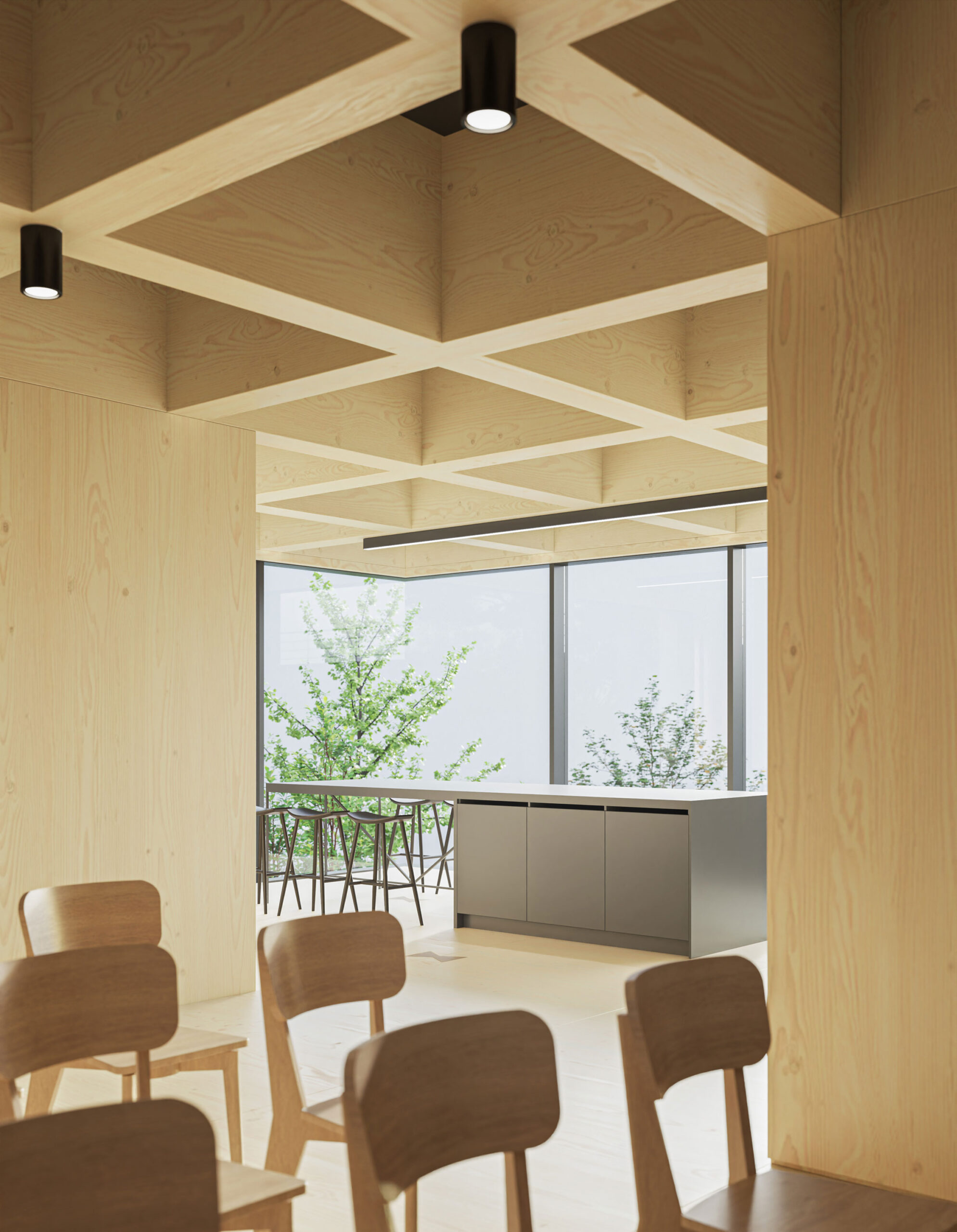
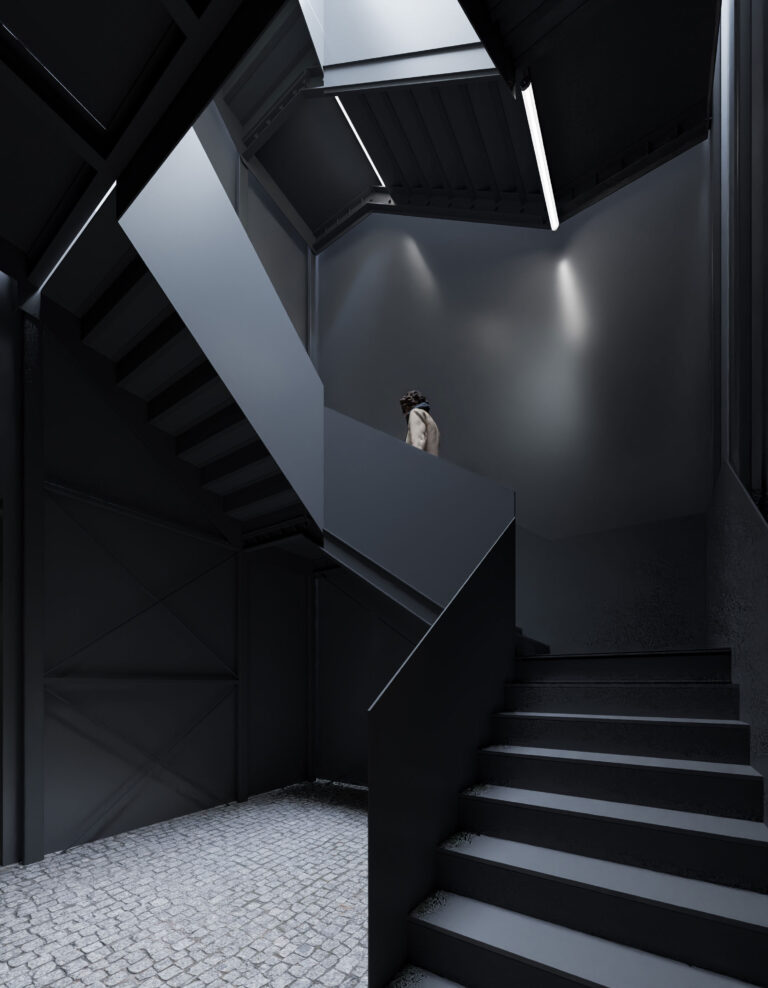
The Lodge is also an experiment. Its structure will be fitted with sensors measuring deflection, vibration, and humidity, while most of its technologies will stay visible so students can observe how the building works. Even the furniture is being designed together with them under the guidance of Mgr. Markéta Daňková.
But the most important experiment will begin once the doors open. More than data on humidity or beam deflection, we’ll be curious to see how the students make the place their own — how many late-night parties last until morning, how many seemingly naïve ideas are born, and whether, between the rehearsals of the Circle of Forest Horns, new friendships will take root in The Lodge.
But the most important experiment will begin once the doors open. More than data on humidity or beam deflection, we’ll be curious to see how the students make the place their own — how many late-night parties last until morning, how many seemingly naïve ideas are born, and whether, between the rehearsals of the Circle of Forest Horns, new friendships will take root in The Lodge.